Glass Solutions for Apartments, Condos, and Townhomes in the DMV
Glass solutions for multi-family housing throughout DC, Maryland, and Virginia — HOA requirements, shared-wall sound control, balcony glass, lobby glass, and building code differences. From Virginia Glass Windows.
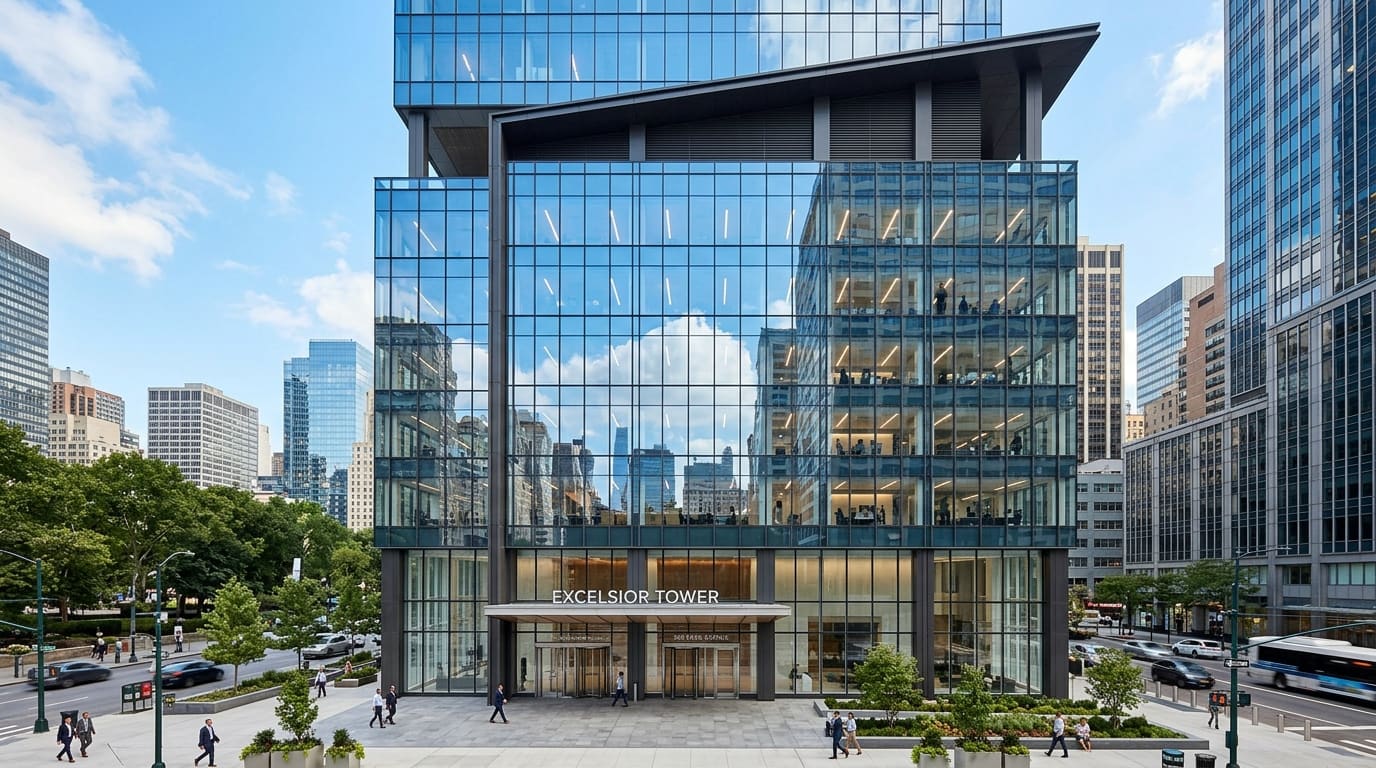
Multi-Family Glass: A Different Set of Challenges
Glass work in apartments, condominiums, and townhomes throughout the DMV involves a different set of considerations than single-family residential work. The regulatory environment is more complex — building codes are stricter for residential occupancies above a certain height, HOA governing documents often restrict glass choices and installation methods, and the coordination required with property management and other residents adds logistical complexity. At the same time, multi-family housing represents a significant and growing portion of the DMV glass market, particularly given the region's density of high-rise condominiums in DC, Arlington, Bethesda, and Silver Spring, and the large stock of townhome developments throughout Northern Virginia and suburban Maryland.
At Virginia Glass Windows, our team handles glass replacement, repair, and upgrade projects in multi-family buildings regularly. This guide covers the key glass considerations that are specific to multi-family contexts — from HOA approval processes to sound-reduction specifications to the code differences that apply to high-rise residential buildings — to help owners, tenants, and property managers navigate glass decisions effectively.
HOA and Condo Association Requirements
The most common obstacle to glass upgrades in condominiums and HOA-governed townhomes is the requirement for architectural review committee (ARC) approval before any exterior modification. Windows and glass are considered part of the exterior envelope in most condo and HOA governing documents, meaning that replacing windows with different glass, changing glass tint, or modifying window appearance requires ARC approval before the work begins. Installing unapproved glass can result in a fine and a requirement to reverse the modification at the owner's expense.
ARC approval processes vary widely in the DMV market. Some associations have clear written standards specifying acceptable window glass types, tint levels, reflectivity, and frame finishes — approval under these standards is straightforward if you meet the published specifications. Others require case-by-case ARC review with a submission package including product specifications, photos, and sometimes an architect's letter. Timeline varies from one to eight weeks. Our commercial team is experienced in preparing ARC submission documentation for glass replacement projects and can provide the technical specifications needed for your submission.
In condominiums specifically, the question of responsibility — whether the individual unit owner or the condominium association is responsible for window glass maintenance and replacement — must be determined from the Declaration of Condominium and By-Laws before scheduling any glass work. The typical structure assigns exterior envelope responsibility (including window frames and glass as part of the building exterior) to the association, and interior unit maintenance to the owner. However, individual condominium declarations vary significantly, and some place window glass responsibility with unit owners. Review your specific documents before assuming responsibility for window glass in a condo unit. Our team regularly works with both individual condo owners and condominium associations throughout the DMV.
Sound Control in Shared-Wall Buildings
In apartments, condominiums, and townhomes, acoustic privacy is a quality-of-life issue that glass plays a meaningful role in addressing. Residents in multi-family buildings deal with both airborne sound (voices, music, traffic) and impact noise (footsteps, dropped objects) that transmit through shared walls, floors, and ceilings. While glass is not the primary path for sound transmission in most multi-family buildings (shared walls and floors carry more sound than windows), window glass is a significant source of exterior noise intrusion — and for units facing busy streets, Metro tracks, or flight paths, window glass upgrading can dramatically improve living quality.
For DMV apartments and condos facing noise sources, laminated glass with a sound-dampening PVB interlayer is the most effective single glass upgrade available. A standard double-pane clear IGU achieves an STC rating of approximately 26 to 28. A double-pane IGU with one laminated light (glass-PVB-glass) achieves STC 32 to 36. A laminated-on-both-lights double-pane IGU achieves STC 38 to 42. For units facing I-66, the Capital Beltway, Reagan National Airport flight paths over Crystal City and Arlington, or DC surface Metro routes in Columbia Heights or Petworth, a laminated glass upgrade makes a perceptible and often dramatic reduction in traffic and transit noise.
Asymmetric glazing — using different glass thicknesses in each pane of a double-pane IGU (for example, 3mm on one side and 6mm on the other) — reduces acoustic coincidence at specific frequencies, providing more consistent sound attenuation across the sound spectrum. For maximum sound reduction in high-noise environments, asymmetric laminated IGUs are the premium specification. For multi-family units in buildings where the HOA or property management specifies a standard window glass, confirm whether acoustic glass upgrades are permitted before ordering.
Balcony and High-Rise Glass Considerations
Balcony glass in multi-family buildings — railings, balcony enclosure panels, glass guards, and glass windscreens — is subject to building code requirements that are more stringent than those for standard residential windows. IBC requirements for glass used as guards and railings in multi-family buildings specify structural performance requirements, approved glass types (tempered or laminated), minimum thickness, and installation standards that ensure the glass can withstand the lateral loads from occupants leaning against it.
For high-rise residential buildings in DC, Maryland, and Virginia, window glass replacement above the first story raises access and safety considerations that do not apply to single-family work. Internal access (working from inside the unit) is the standard approach for window glass replacement in high-rise buildings — it does not require exterior scaffolding or equipment and can be performed within normal working hours without disrupting other residents or building operations. Our technicians are experienced in high-rise window glass replacement using internal access methods. For exterior-facing glass that cannot be accessed from inside (some curtain wall systems, large commercial-grade glazing systems in luxury high-rise buildings), exterior access planning must be coordinated with building management.
For building management and property managers at multi-family residential properties throughout the DMV, our commercial glass team offers ongoing service relationships that include priority scheduling, bulk pricing for multi-unit projects, and maintenance program support. Managing glass maintenance across a large multi-unit property — coordinating unit access, standardizing glass specifications, and maintaining records — benefits from a consistent service relationship with a glass company experienced in multi-family residential work. Contact us at (703) 470-7867 or visit <a href="/services/commercial-glass">/services/commercial-glass</a> for multi-family property service.
Common Area and Lobby Glass
Lobbies, corridor windows, fitness center glass, rooftop terrace enclosures, and other common areas in multi-family buildings have glass needs that differ from individual unit windows. Common area glass is the association's or property manager's responsibility and is subject to building code requirements appropriate to the building's occupancy type and height. High-rise residential buildings typically classify as Group R occupancies under IBC, which has specific safety glass requirements in locations including corridors, stairwells, elevator lobbies, and common area entries.
Lobby glass design is a significant contributor to a building's first impression for both residents and visitors. DMV luxury and mid-tier residential buildings throughout DC, Arlington, Bethesda, and Rockville have invested substantially in lobby glass upgrades — replacing dated aluminum storefront systems with modern frameless glass entry systems, installing glass elevator enclosures, and adding decorative glass features that elevate the building's aesthetic. These projects require coordination with building structural engineers (for loading and anchorage), fire protection engineers (for any glass in fire-rated assemblies), and building management for scheduling work that minimizes disruption to building operations.
For broken, failing, or outdated common area glass in multi-family buildings throughout the DMV, our commercial team provides assessment, specification, and installation services. We work within building management schedules, coordinate with HOA management companies, and provide the documentation required for property management records and insurance purposes. For large-scale common area glass projects — lobby renovations, corridor window replacements, or amenity area glass upgrades — we provide written quotes with detailed glass specifications and can assist with ARC submission documentation where required. Visit <a href="/photo-estimate">/photo-estimate</a> to start the process with a free photo assessment.
Need Help With Your Glass?
Send us a photo of your window or glass issue and get a free estimate within hours. Our experts serve all of DC, Maryland, and Virginia.
Common Questions
Frequently Asked Questions
Answers to common questions about this topic from our DMV glass experts.
Keep Reading
Related Guides
Explore More Resources
Related Articles
Common Problems
Our Services
Ready to Get Started?
Get a free estimate from our glass experts. Same-day service available across DC, MD & VA.