Vinyl Frame Windows
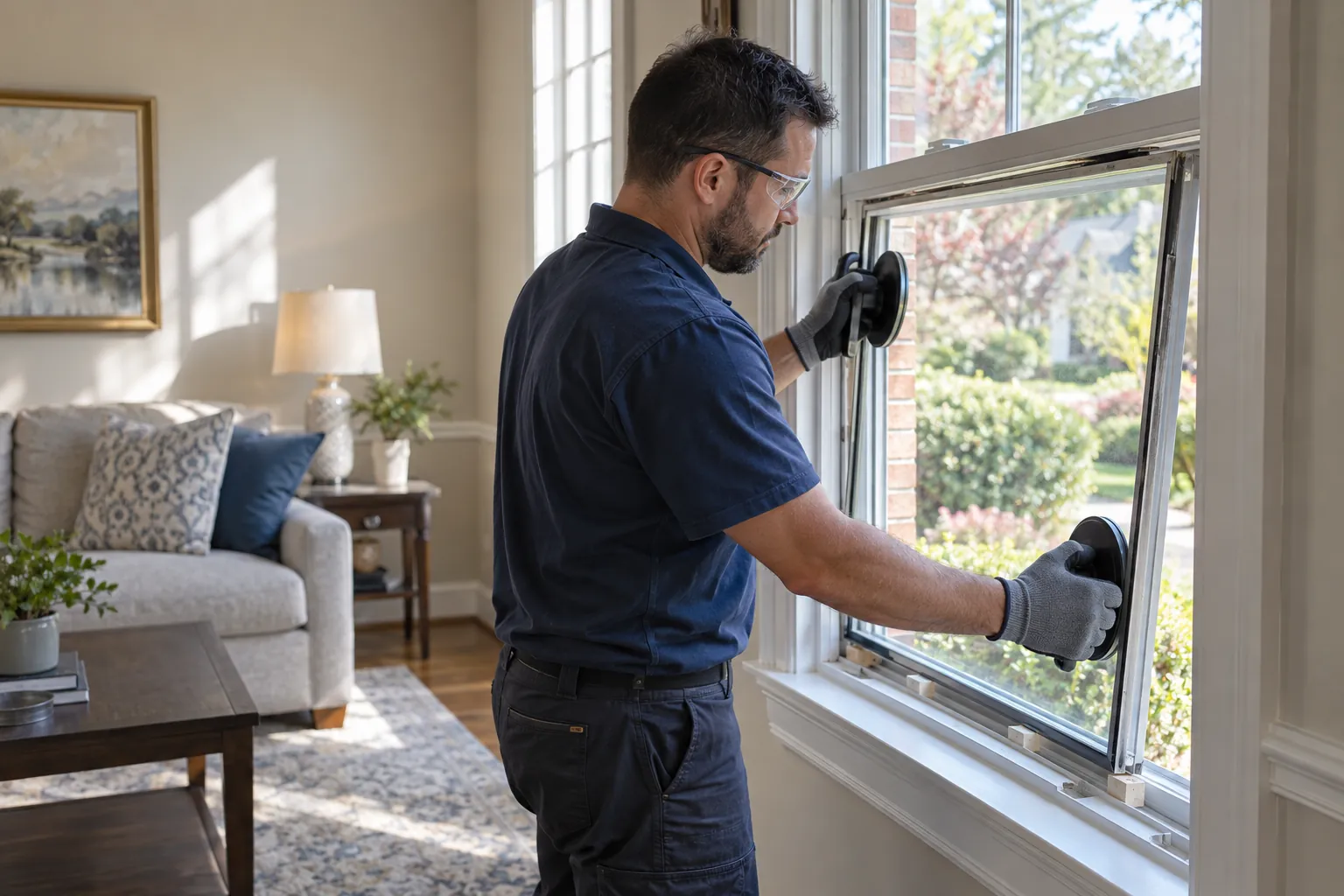
The most common frame type in DMV homes built after 1990. Vinyl frames hold glass with snap-in or glazed channels. We remove panes cleanly without damaging the vinyl profile or weatherstripping.
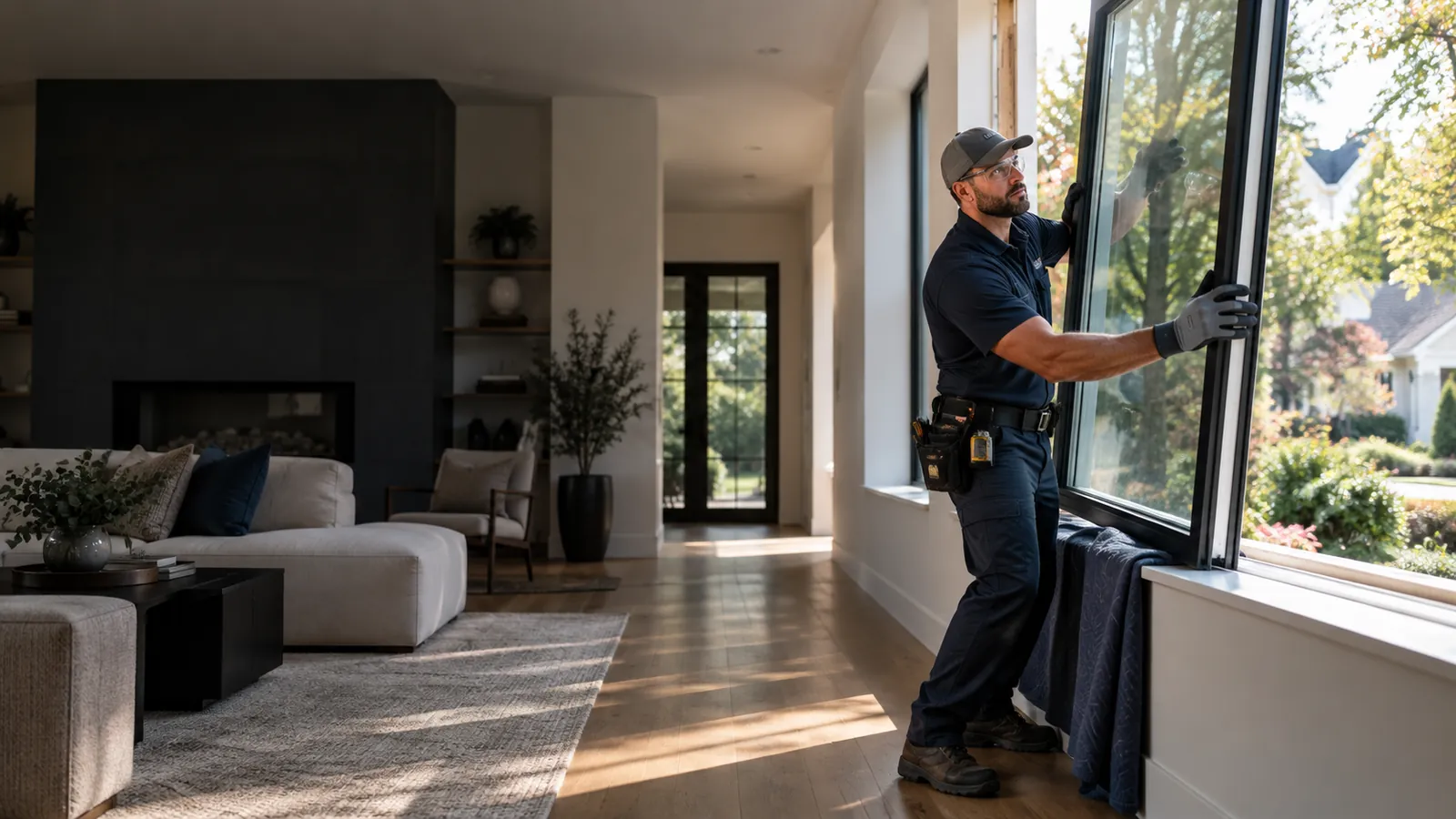
When repair is not enough, we deliver precision-fit glass replacement in every frame type — vinyl, aluminum, wood, composite, and fiberglass. Most full-home glass upgrades done in a single day. Replacing just the glass instead of the entire window saves 50-75% with the same performance result.
Bonded & Insured
Residential and commercial
24/7 Emergency
Seven days a week
Free Estimates
No obligation
Locally Owned
Residential and commercial
Upfront Pricing
Never an overtime charge
Low-E
Argon glazing options
Templated
To your frame
Tempered
Where code requires
Same-Week
Install Available
Each of these is a different assembly with its own hardware, tolerances and code path. Drawings, not stock photos.
The most common frame type in DMV homes built after 1990. Vinyl frames hold glass with snap-in or glazed channels. We remove panes cleanly without damaging the vinyl profile or weatherstripping.
Popular in mid-century DMV homes and apartment buildings. Aluminum frames use a rubber or vinyl glazing bead to hold the glass. Replacement requires careful bead removal and reinstallation.
Found in historic Georgetown, Capitol Hill, Old Town Alexandria, and pre-1960 homes throughout the DMV. Wood frames use glazing compound bedded in the rabbet, requiring proper preparation before new glass installation.
Modern composite frames combine wood fiber and polymers for stability without wood's moisture sensitivity. Common in higher-end homes in McLean, Great Falls, Potomac, and Chevy Chase built in the 2000s and 2010s.
When the frame itself is damaged, rotted, or warped, we coordinate full window unit removal and installation. We connect you with trusted window installers and can handle the glass portion of any full-frame project.
A new window unit is inserted into the existing frame opening without disturbing the surrounding trim, drywall, or siding. Ideal for vinyl or aluminum frames in good structural condition that just need new glass and sash.
Delaying repair doesn't save money — it multiplies the damage.
Single-pane windows have an R-value of approximately 1.0, compared to R-3 to R-5 for modern double-pane Low-E glass. In the DMV region, where summer cooling and winter heating costs are both substantial, that gap translates to hundreds of dollars per year in wasted energy per home. Older double-pane windows from the 1990s often lack Low-E coatings and warm-edge spacers that dramatically reduce heat transfer. According to the Department of Energy, window upgrades in heating-and-cooling climates like DC can reduce energy bills by 12 to 30 percent depending on the existing window type and the number replaced. Every month you delay is money permanently lost.
Outdated or failed glass creates uncomfortable rooms that feel hot and glaring in summer, cold and drafty in winter. Families in DMV homes with single-pane or failed double-pane windows often unconsciously avoid certain rooms during extreme weather — the home office facing west that becomes unusable in July, the bedroom addition with original aluminum windows that freezes every January. New glass does not just improve numbers on an energy bill; it transforms how you actually feel and live in your home, making every room genuinely comfortable year-round.
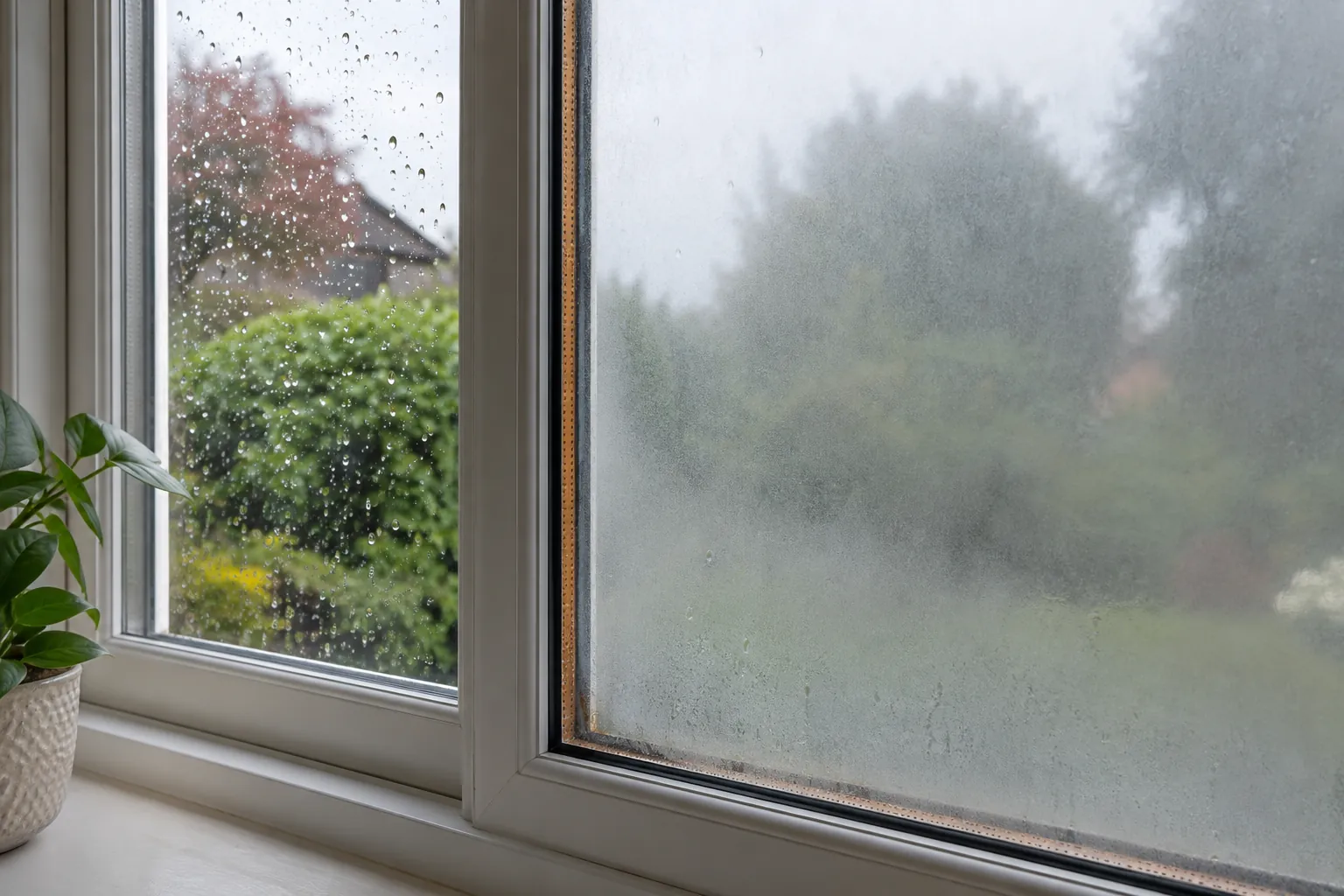
When the hermetic seal on a double-pane insulated glass unit fails, the argon or krypton insulating gas escapes permanently. Defogging services drill holes and remove moisture temporarily, but the gas is gone and the seal stays broken — the fog returns within one to three years. The only permanent fix is installing a new factory-sealed IGU with fresh gas fill. Multiple failed IGUs in a home also signal that the remaining same-age windows are approaching end of life, making a planned replacement project more economical than emergency repairs one window at a time.
In the competitive DMV market, window condition carries real weight in appraisals and buyer negotiations. DC's home inspectors flag failed seals, cracked glass and single-pane windows prominently. A buyer's inspector calling out fifteen foggy windows in a disclosure gives them a line item to negotiate against. Pre-listing glass replacement converts that liability into a marketing asset: "recently upgraded to Low-E glass throughout."
Standard clear glass transmits up to 75 percent of ultraviolet radiation that fades hardwood floors, bleaches upholstery, damages artwork, and degrades leather furniture. In homes with large south or west-facing windows in neighborhoods like Cleveland Park, Palisades, Chevy Chase, and Bethesda, UV exposure can visibly fade a cherry wood floor in under 5 years. Modern Low-E glass with UV-blocking coatings transmits less than 20 percent of UV rays while maintaining excellent visible light transmission — protecting your interior investment without darkening your rooms.
Thousands of DMV homes sit directly beneath the Reagan National Airport flight path or within a quarter mile of major highways like I-495, I-66, I-270, and I-95. Single-pane windows and older double-pane units with failed seals provide almost no barrier against the low-frequency rumble of jet engines, truck traffic, and Metro trains. Residents in Crystal City, Pentagon City, Rosslyn, East Falls Church, Greenbelt, College Park, and neighborhoods flanking the Beltway describe chronic noise intrusion that disrupts sleep, reduces concentration during work-from-home hours, and diminishes overall quality of life. Standard glass has an STC rating of just 26 to 28, meaning it blocks very little of the noise spectrum that dominates airport and highway environments. Upgrading to laminated acoustic glass with an STC rating of 35 to 40 can cut perceived noise by more than half — transforming a bedroom that currently requires a white noise machine into one that feels genuinely quiet with windows closed.
Don't let it get worse
Every service comes with our commitment to quality, speed, and transparency.
Every pane is measured to the nearest 1/16th inch and cut to exact specification. Precision cutting eliminates the micro-gaps that cause drafts and condensation at the glass edge and ensures a professional appearance indistinguishable from factory installation. Our shop-grade cutting equipment produces cleaner edges than field-cut glass for a perfect, lasting fit.
We offer Energy Star-qualified glass in North-Central climate zone specs that meet or exceed the DOE's performance thresholds for the DMV region. Selecting Energy Star glass may qualify you for federal tax credits under the Inflation Reduction Act, which currently allows credits on energy-efficient home improvement products. Ask our technician about current incentives during your estimate visit.
Replacing just the glass without disturbing your frames saves 50 to 75 percent versus full window replacement and preserves your home's architectural character — especially critical for historic homes in Georgetown, Capitol Hill, and Old Town where frame profiles contribute to historic district compliance. We restore and recondition frames as needed during the glass replacement process at no additional charge.
Vinyl, wood, aluminum, fiberglass, composite — we carry the appropriate glazing materials, bedding compounds, and tools for every frame type on every truck. Our technicians are cross-trained on all frame systems so you do not need a different contractor for different windows in the same home. We handle the double-hung vinyl in the bedroom and the wood-framed casement in the kitchen in the same visit.
Replacing multiple windows qualifies for volume pricing that significantly reduces the per-window cost. Whole-home glass upgrades are priced more economically than single-window jobs because we can plan the work efficiently, order glass in a single batch, and complete installation in one or two visits rather than many small calls. We provide a clear all-in quote for your entire project upfront.
Standard glass types and common IGU dimensions are often available for same-week installation. Custom sizes, specialty coatings, and historic restoration glass typically take 3 to 7 business days. We order your glass the moment the quote is accepted to minimize the wait, and we schedule installation at the first available slot that fits your calendar.
Every window glass replacement job starts with the assembly, not the pane. What the frame is, how the glass is captured, which code applies to that opening — those decide the specification, and the specification decides whether the repair lasts.
Upload photos of the glass and we will come back with an itemized estimate. No home visit needed, no obligation.
Upload Photos NowA simple, transparent process from first contact to completed job.
We take precise measurements of every window opening scheduled for replacement, noting frame type, glass thickness, spacer width, coating type, and any unique frame conditions. For insulated glass units, we measure the overall unit thickness and identify whether the original glass has Low-E coatings and their position within the unit. Accurate measurement is the foundation of glass that fits perfectly and performs as intended.
Choose your glass type, performance tier, and any special properties based on your goals and budget. Our technician explains standard, Low-E, Low-E with argon, Low-E with krypton, tempered, laminated, and specialty options in plain language — no jargon. We recommend the optimal glass for each window based on its cardinal orientation, proximity to doors, code requirements, and your energy efficiency priorities.
Your glass is ordered from our primary suppliers immediately after you approve the quote. Standard sizes are often in stock for same-week delivery. Custom sizes and specialty coatings are fabricated to your exact specifications. We confirm the order timeline with you and contact you the moment glass arrives so installation can be scheduled immediately.
Our technician removes old glass cleanly, prepares the frame channel, installs the new pane with manufacturer-specified bedding and glazing materials, and ensures a complete weathertight seal. We clean the glass inside and out, remove all debris, and vacuum for invisible shards before declaring the job complete. Every window is operated and inspected before we leave your home.
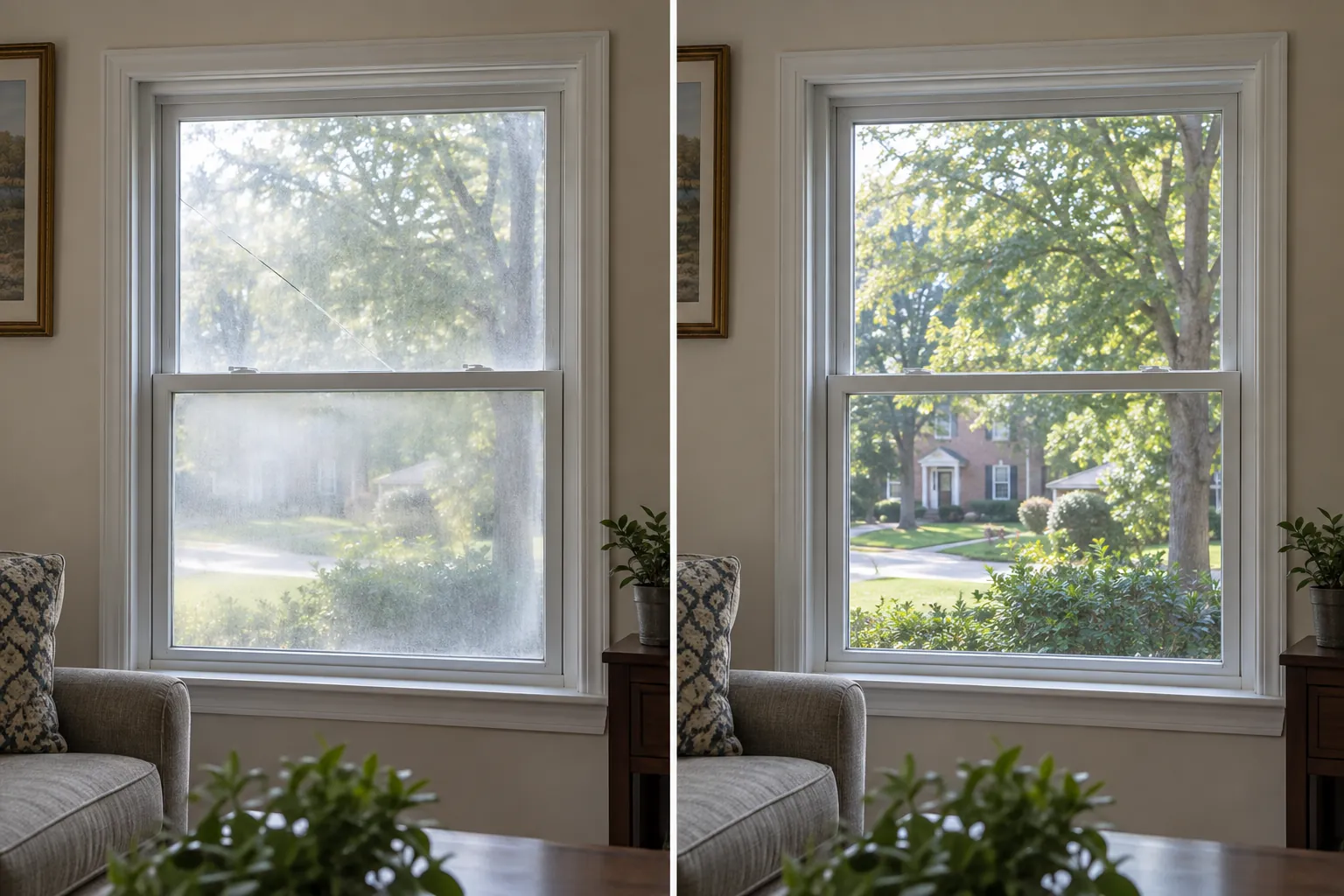
Before
Old, inefficient windows with failing seals, poor insulation, and outdated appearance.
After
Brand new energy-efficient windows with modern frames, perfect seals, and beautiful clarity.
The decision between glass repair and full replacement depends on several factors that our technicians evaluate honestly during every visit. For single-pane windows with small chips or hairline cracks that have not spread to the edges, repair may be a viable short-term option — though replacement delivers better long-term durability and is often only marginally more expensive for a single pane. For double-pane insulated glass units with failed seals or fog between the panes, replacement is the only permanent solution; the seal cannot be restored, the insulating gas cannot be replenished through repair, and defogging services are temporary at best. If your window frame itself shows rot, warping, paint failure, or structural damage, glass replacement alone will not solve the underlying problem — we diagnose frame issues honestly and either restore minor frame damage during the glass replacement or recommend a full window unit replacement when the frame is beyond viable repair. For homes where most windows were installed at the same time and several are already failing, a coordinated replacement project is more economical than piecemeal emergency repairs. We help you plan the right scope and sequence for your home and budget.
Each frame material requires a different approach to glass replacement, and choosing the right glazing method for your frame type determines how long the replacement lasts and how well it performs. Vinyl frames, the dominant type in DMV homes built after 1990, typically use a vinyl glazing bead or snap-in channel that holds an IGU. Replacing the glass requires removing the bead, sliding out the old unit, and snapping a new factory-fabricated IGU into place — a relatively clean and fast process. Wood frames, found throughout Georgetown, Capitol Hill, Old Town Alexandria, Chevy Chase, and other older DMV neighborhoods, use a bedding of glazing compound applied in the rabbet with putty or silicone, followed by face glazing over the glass edge. Proper preparation of the wood surface — removing all old compound, priming bare wood, and allowing it to tack before glazing — is critical for a seal that lasts years rather than months. Aluminum frames common in 1960s through 1980s construction use a rubber or vinyl gasket system; the gasket is removed, the glass slides out, and a new pane is installed with a fresh gasket. Fiberglass and composite frames bridge the characteristics of wood and vinyl and are handled accordingly. Our technicians are trained on all frame types and carry frame-appropriate materials on every truck.
Low-emissivity glass — Low-E for short — is the single most impactful performance upgrade available when replacing window glass in a DMV home. The coating consists of a microscopically thin layer of metallic oxide applied to one surface of the glass during manufacturing. This coating reflects long-wave infrared radiation (heat) while allowing short-wave visible light to pass through freely. In practical terms, south-facing and west-facing windows with solar-control Low-E glass reject a significant portion of the solar heat gain that drives summer cooling costs in the DC region, where direct-beam summer sun can add 150 to 200 BTUs per hour per square foot of south-facing glass without any coating. North-facing windows benefit from passive-retention Low-E that reflects interior heat back into the room during winter rather than allowing it to escape through the glass. The DOE defines climate-zone-specific performance targets for Low-E glass, and we select the appropriate coating for each window based on its cardinal direction and your home's heating-versus-cooling balance. Argon gas fill, used in nearly all quality IGUs today, adds an additional 15 to 20 percent reduction in heat transfer compared to air-filled units. Krypton gas provides even better performance in thinner spaces but costs more and is typically reserved for triple-pane applications. Many of our customers who upgrade entire homes from failed 1990s clear double-pane units to current Low-E argon IGUs report their HVAC running significantly less during summer peak periods.
The Washington DC metropolitan area is home to hundreds of thousands of pre-1960 homes with original wood-frame windows that are architecturally irreplaceable. Many of these homes sit within local historic districts — from Georgetown's DC Historic Preservation Office district to Annapolis's National Historic Landmark district to Old Town Alexandria's locally designated districts — where the appearance of windows is regulated. The challenge for homeowners is balancing energy performance with preservation requirements: full window replacement with modern vinyl or aluminum units is often prohibited or requires special approval in historic districts, while leaving single-pane glass in place results in significant heat loss and gain. Glass-only replacement offers an elegant solution: the original wood frames, sash profiles, and exterior appearance remain untouched while the glass itself is upgraded to a higher-performance option. For some historic windows, interior storm glass inserts can be added without altering exterior appearance, effectively creating a double-pane system within the original frame. We navigate these options with knowledge of each jurisdiction's requirements and can provide the documentation that historic district commissions in DC, Alexandria, Annapolis, and Frederick typically require.
Window glass replacement pricing in the DMV reflects several variables that make generic per-window estimates misleading. Glass size is the primary driver — a 12-by-20-inch single pane in a bathroom costs very little to replace, while a large picture window or bay window unit represents significantly more glass area and weight. Glass type matters substantially: standard clear glass costs least, Low-E single-pane or double-pane units are mid-range, and triple-pane krypton-filled units with premium coatings are at the top of the range. Whether the installation is ground-floor or requires ladder access, whether the window is accessible from inside or requires exterior work, and whether the frame needs preparation or minor repairs all affect the total labor component. We never publish generic price ranges that may set false expectations — instead, we provide free photo estimates within 2 hours that give you exact pricing for your specific windows. Volume discounts for 5 or more windows are significant and can make a whole-home glass upgrade surprisingly affordable relative to the energy savings and comfort improvement delivered.
Full window replacement — removing and replacing the entire window unit including frame, sash, hardware, and glass — is a major renovation that costs three to five times more per window than glass-only replacement and involves significant disruption to interior and exterior finishes. Interior trim, drywall, and paint must be disturbed. Exterior siding or masonry around the window must be managed. The project takes hours per window rather than less than one hour. For the vast majority of DMV homes where the window frames are structurally sound, glass-only replacement delivers identical visual and performance improvements at a fraction of the cost and disruption. This is particularly true in established neighborhoods like Chevy Chase, Kensington, Falls Church, Vienna, Fairfax City, College Park, and Bowie where wood or vinyl frames were built well and simply have glass that has aged past its functional life. We assess every frame we encounter honestly and will tell you when a frame is compromised enough to justify the larger investment in full unit replacement — because our goal is a repair that lasts and a customer who refers us to their neighbors, not a glass-only job that fails in two years on a rotted frame.
New construction and renovation projects across the DMV — from additions in Silver Spring and Rockville to full gut-rehabs in Petworth and Brookland to new custom builds in Great Falls and Potomac — require window glass installation that meets both the architect's vision and local building code. We work directly with general contractors, custom home builders, and renovation firms to supply and install glass for new window openings, enlarged openings, added transoms, sidelights, and sunroom enclosures. Our team coordinates with the project schedule so glass installation happens at the right stage — after framing and flashing are complete but before interior trim work begins. For sunroom and four-season room additions, which are popular throughout Montgomery County and Fairfax County, we install tempered safety glass in overhead and low-profile locations as required by IRC Section R308. We provide shop drawings and glass specifications during the planning phase so your builder can frame openings to exact dimensions, eliminating field adjustments and ensuring a precision fit. Whether your project involves three windows in a kitchen bump-out in Takoma Park or forty windows in a new-build colonial in Loudoun County, we scale our crew and materials to match the timeline. We also supply specialty glass for architectural features — glass block walls, clerestory windows, and floor-to-ceiling curtain wall panels — that general glass shops often cannot fabricate to the tolerances modern architecture demands.
Upgrading your window glass is one of the few home improvements that generates a measurable financial return through reduced energy costs every single month. The most common upgrade path for DMV homeowners is moving from single-pane clear glass to double-pane Low-E with argon fill, which typically reduces window-related heat loss and gain by 40 to 55 percent. For homes that already have older double-pane clear glass from the 1990s, upgrading to current-generation Low-E argon units restores the insulating gas that has leaked out and adds the Low-E coating those older units lacked — delivering 25 to 35 percent improvement in thermal performance. A step further, standard Low-E can be upgraded to krypton-filled or triple-pane units for maximum efficiency in the harshest exposures. The financial case is compelling in the DMV climate zone, where homes run both heating and cooling systems for roughly 8 to 9 months per year. A typical 2,500-square-foot home with 20 windows that upgrades from failed 1990s clear double-pane to current Low-E argon units can expect meaningful annual energy savings. Under the Inflation Reduction Act's Energy Efficient Home Improvement Credit, homeowners can claim 30 percent of qualifying window upgrade costs up to $600 per year as a direct tax credit — not a deduction but a dollar-for-dollar credit. How quickly that pays back depends on your exposure, your rates and how bad the existing units are — we would rather scope your actual windows than quote you someone else's number.
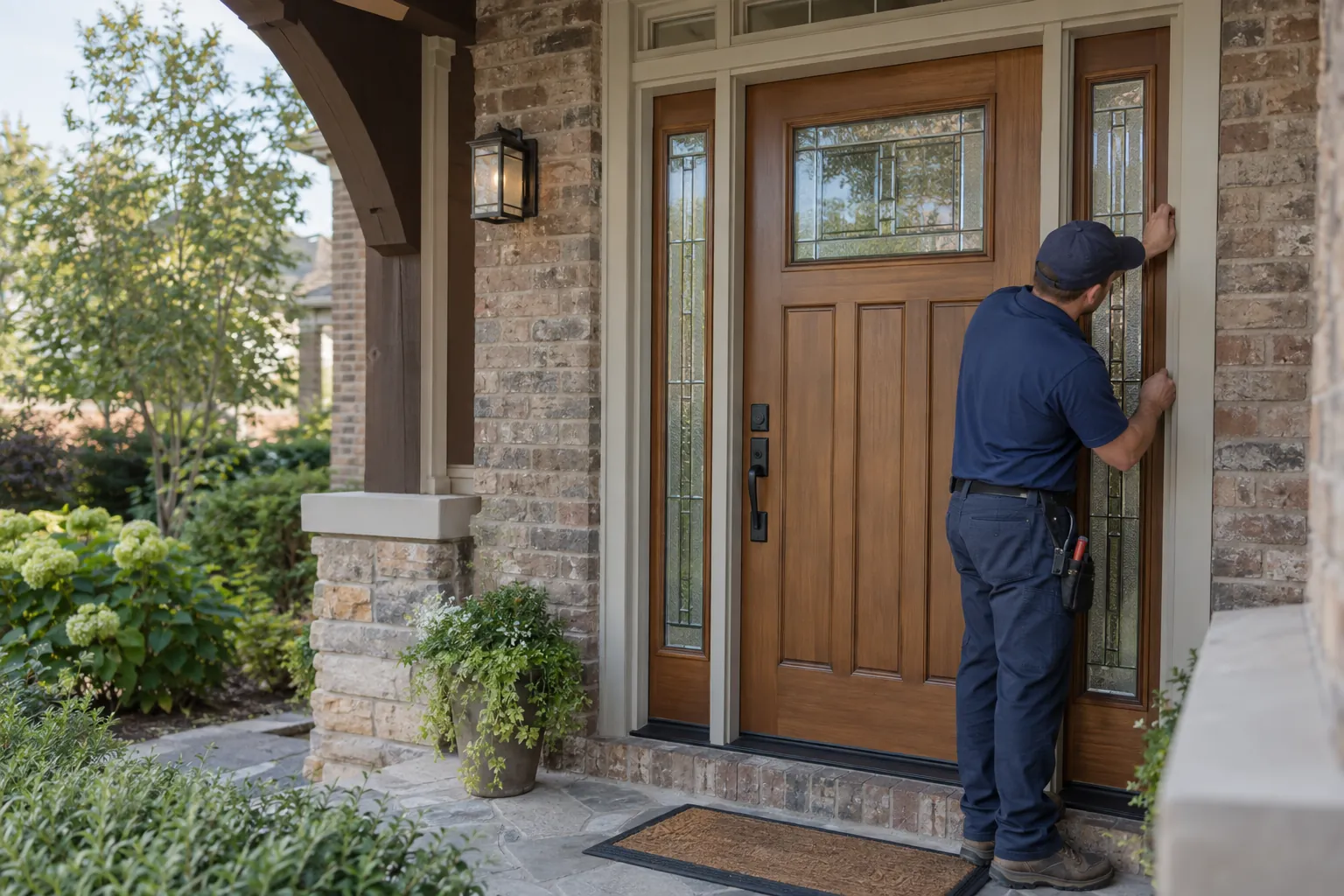
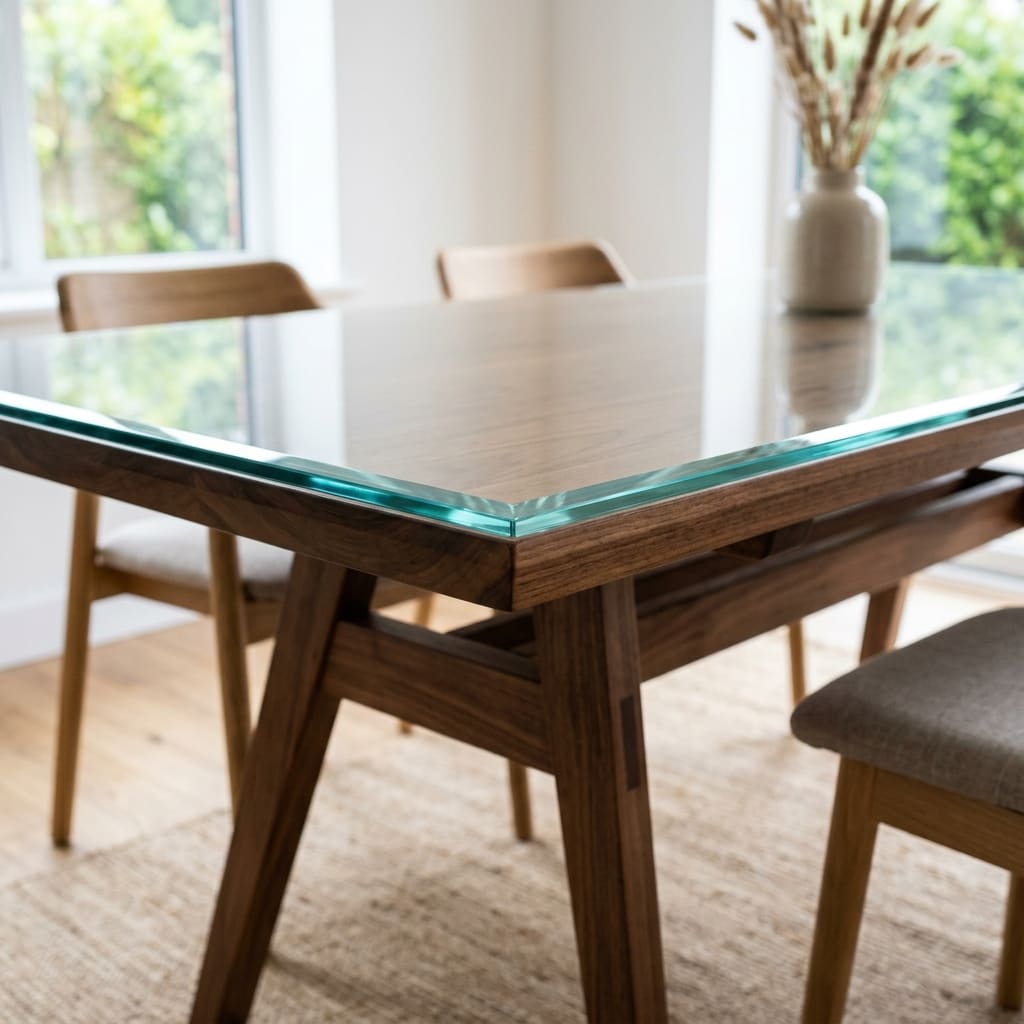
Window glass is the most vulnerable entry point in any building, and DMV homeowners and business owners increasingly recognize that upgrading to security-rated glass is a practical investment in protection. Tempered glass, which is heat-treated to be four to five times stronger than standard annealed glass, breaks into small granular pieces rather than dangerous shards — making it the code-required choice near doors, in bathrooms, and at low heights, but also an excellent voluntary upgrade for ground-floor windows in urban neighborhoods throughout DC, Silver Spring, and Arlington. Laminated glass takes security a step further: two layers of glass are bonded to a tough polyvinyl butyral interlayer that holds the glass together even after impact. A burglar who strikes laminated glass finds that the pane cracks but does not fall away, creating a barrier that takes repeated heavy blows to penetrate — often enough to deter entry entirely. Impact-resistant glass, which combines laminated construction with thicker glass plies, meets the highest forced-entry resistance standards and is increasingly specified for commercial storefronts along Connecticut Avenue, M Street, and Wisconsin Avenue in DC, as well as retail corridors in Tysons, Bethesda, and Old Town Alexandria. For residential customers in neighborhoods like Capitol Hill, Columbia Heights, Petworth, and Park View, laminated glass ground-floor upgrades provide meaningful burglary deterrence without the aesthetic compromise of bars or security film. We assess your specific vulnerability profile — window location, neighborhood crime patterns, existing frame strength — and recommend the security glass tier that provides real protection without over-engineering the solution.
The Washington DC metro area presents unique noise challenges that make sound-reducing glass a high-value upgrade for thousands of homes and offices. Homes beneath the Reagan National Airport flight path — spanning Crystal City, Pentagon City, Rosslyn, Arlington Ridge, and parts of southwest DC — experience jet noise at close range dozens of times per day. Properties along the Capital Beltway (I-495), I-66, I-270, the Dulles Toll Road, and I-95 contend with continuous highway noise that penetrates standard single-pane and older double-pane glass easily. Homes near Metro surface-level tracks in areas like East Falls Church, Dunn Loring, Greenbelt, and New Carrollton hear train noise throughout the day. Sound transmission through glass is measured by Sound Transmission Class (STC) rating — standard single-pane glass rates around STC 26, a basic double-pane unit around STC 28 to 30, and a laminated acoustic glass unit can achieve STC 35 to 40 or higher. That difference is dramatic to the human ear: each 10-point STC increase represents a perceived halving of transmitted sound. Laminated glass is the most effective sound-reducing upgrade because the PVB interlayer dampens sound vibrations that would otherwise pass through a rigid glass pane. For maximum noise reduction, we install asymmetric laminated IGUs — where the inner and outer glass plies are different thicknesses — which disrupts the resonance frequencies that allow sound to pass through symmetric panes. Homeowners near Reagan Airport and along the I-495 corridor consistently report that laminated acoustic glass transforms previously unusable bedrooms and home offices into genuinely quiet spaces.
Replacing all the glass in a home with 10, 20, or even 30 or more windows is a significant project that requires careful planning to execute efficiently and affordably. The first step is a comprehensive survey where our technician measures every window, documents each frame type and condition, notes cardinal orientation, and identifies any code-required glass types such as tempered glass in bathrooms or near doors. We then prepare a unified glass specification that ensures visual consistency across all windows — matching tint, reflectivity, and coating appearance so your home looks cohesive from the street rather than having a patchwork of different glass generations. Volume pricing is a major advantage of whole-home projects: ordering 20 IGUs in a single batch from our suppliers costs substantially less per unit than ordering them individually over several years, and those savings are passed directly to you. We stage the work logically, typically completing one floor or one side of the home per day so you always have functional windows and are never left with open openings overnight. For occupied homes in neighborhoods like Bethesda, McLean, Arlington, Reston, Columbia, and Bowie, we minimize disruption by working room by room, laying protective coverings over floors and furniture, and cleaning up completely before moving to the next area. A typical 15 to 20 window whole-home project takes two to three days with a two-person crew. We coordinate scheduling around your family's routine and can work on weekdays while the house is empty if preferred. The result is a home where every window performs identically, looks consistent, and carries the same warranty start date — no more tracking which windows were replaced when.
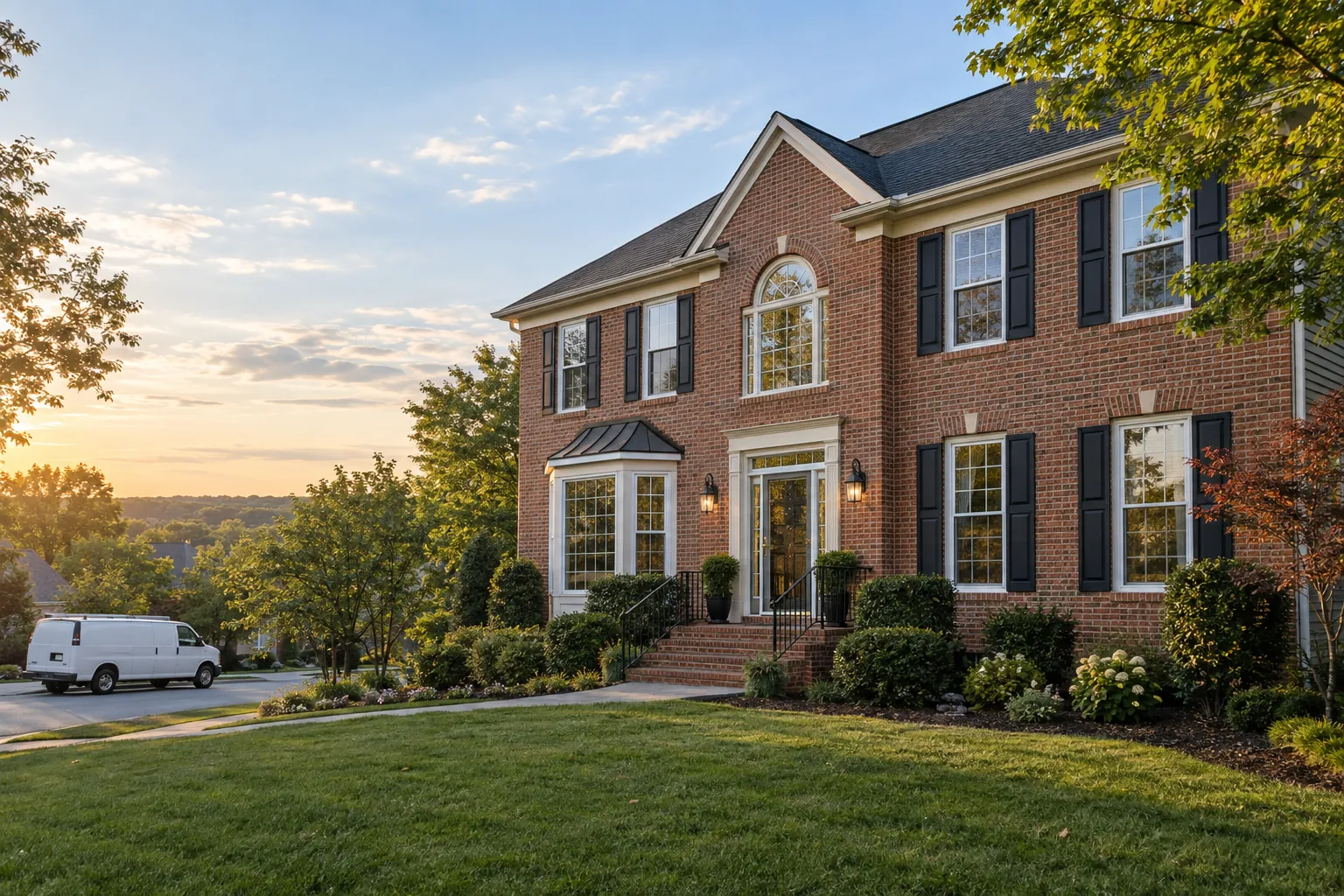
Professional service for homes, condos, and townhomes across the DMV.
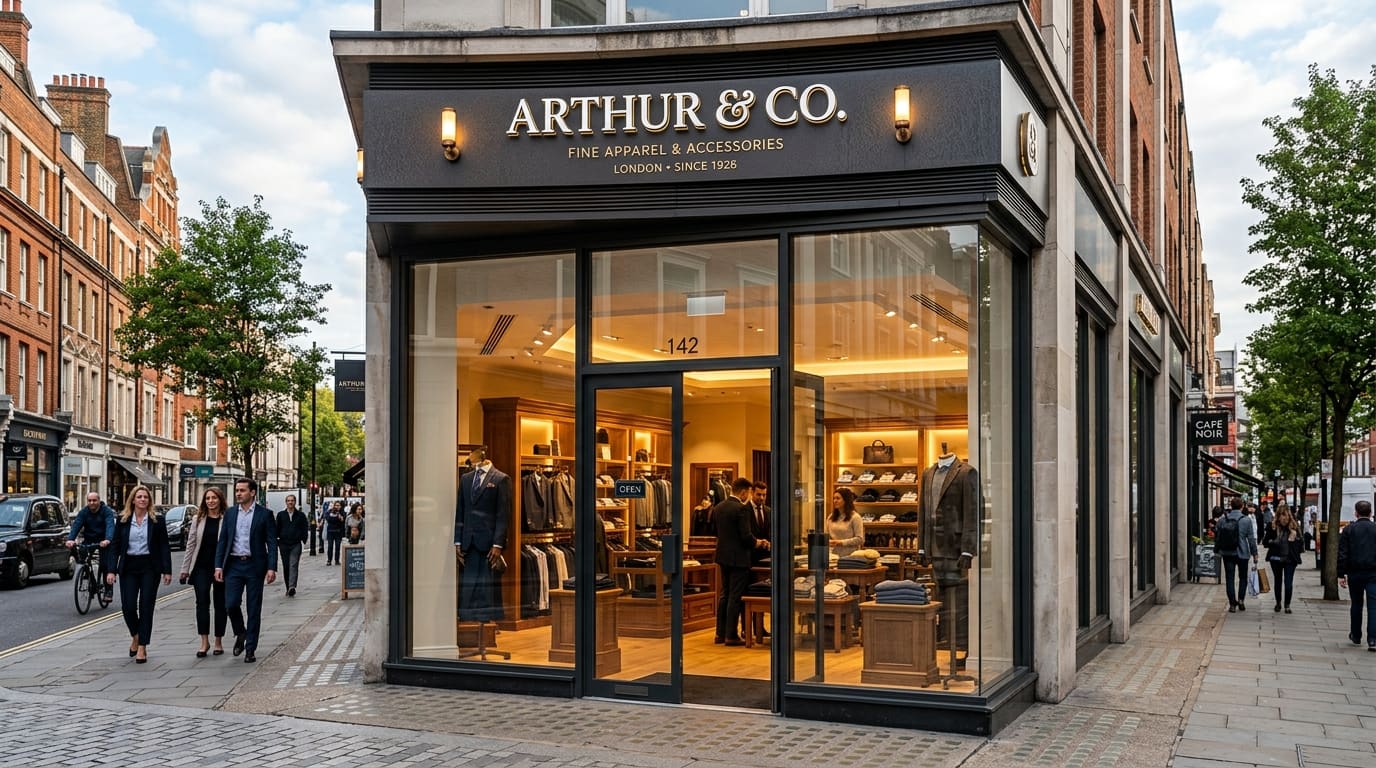
Serving offices, retail, restaurants, and buildings of any scale.
Every window is different in size, glass type, frame condition, and accessibility, so we provide free custom quotes rather than publishing generic ranges that may not apply to your situation. Send us photos of your windows and we respond with exact pricing within 2 hours. Our quotes are all-inclusive — materials, labor, cleanup, and warranty — with no hidden charges.
Work we stand behind
Virginia Glass Windows is locally owned and has been doing residential and commercial glass across Northern Virginia, DC and Maryland for over a decade. Bonded and insured, on call around the clock.
Swap the build-up on the model and watch the unit get thicker. Then read the sheets: which surface the coating goes on, what your frame can actually take, and how the unit is measured so it fits the first time.
8 sq ft
Two 1/8 in lites plus the seal, at 3/4 in overall
Two-cup carriers
SHGC 0.35 · VT 0.68 · STC 31
A replacement unit is made to your opening and cannot be adjusted afterwards. These are the four things that get settled first.
WP-01 · Sealed unit, surfaces 1–4
Scale 1:1
WP-02 · Frame types, jamb section
Scale 1:1
WP-03 · Measuring a replacement
Scale NTS
WP-04 · U-factor and SHGC
Scale NTS
Tell us the frame before you tell us the glass.
Timber, vinyl, aluminium or clad decides what unit will physically go back in — and that comes before any conversation about coatings.
(703) 470-7867Upload photos for a free estimate, or call for same-day service. Bonded and insured across DC, Maryland and Virginia.