Office Building Glass: Curtain Walls, Lobbies, and Commercial Codes in the DMV
Commercial glass for DMV office buildings — curtain wall systems, lobby glazing, storefront, and code compliance. Virginia Glass Windows handles commercial glass from Tysons to downtown DC.
The DMV Commercial Glass Market: What Sets It Apart
The DC, Maryland, and Virginia commercial real estate market is one of the densest and most demanding in the country. From the trophy office towers in Rosslyn and Tysons Corner to the mid-rise federal contractor buildings in Reston and Bethesda to the ground-floor retail and office storefronts that line every commercial corridor in the region, commercial building glass is a constant maintenance and upgrade requirement. The demands on commercial glass are categorically different from residential glass — higher structural loads, more stringent code requirements, more complex systems, and consequences of failure that extend beyond the property owner to tenants, employees, and the public.
Office building glass in the DMV is specified to comply with the International Building Code as adopted in DC, Maryland, and Virginia, plus additional local amendments. These codes specify minimum glass thickness and type for glazed area dimensions, safety glazing requirements for hazardous locations, structural performance requirements for wind load and impact resistance, and energy code requirements for commercial envelope performance. Commercial glass work in the DMV requires understanding these codes and working within their requirements.
Virginia Glass Windows handles commercial glass replacement and repair throughout the region — from single pane replacements in ground-floor office storefronts in Alexandria and Rockville to multi-unit curtain wall glass replacements in Tysons office buildings to lobby entrance glass replacements in DC. Commercial glass work is a core part of our business, and we have the equipment, crew, and fabrication relationships to handle projects at commercial scale. Call (703) 470-7867 for commercial glass inquiries or visit /services/commercial-glass.
Curtain Wall Glass: Systems, Failures, and Replacement
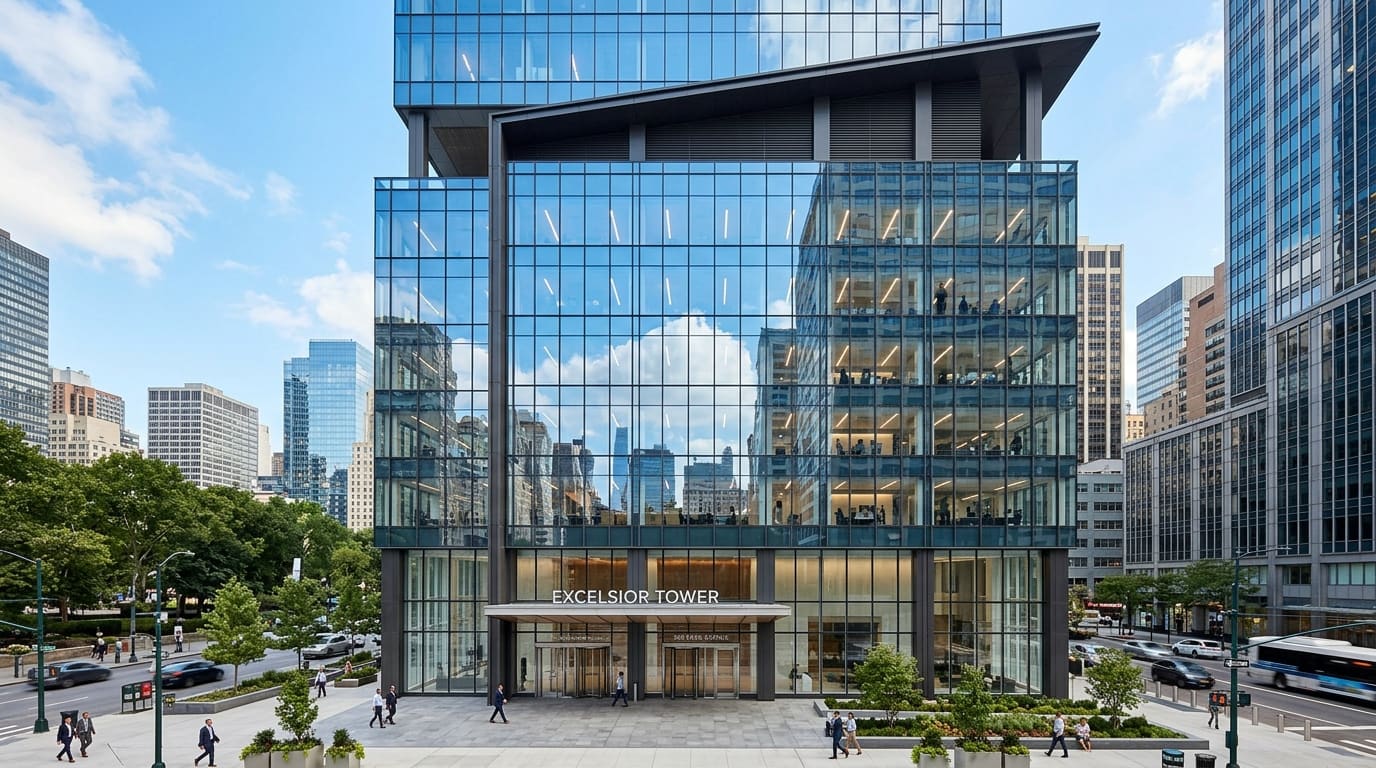
Curtain wall glazing systems are the defining visual feature of modern commercial office buildings — the floor-to-ceiling glass facades that give contemporary office parks in Tysons, Reston, and the DC waterfront their character. A curtain wall is a non-structural exterior cladding system that hangs on the building structure and provides weather enclosure and natural light. The glass units in a curtain wall are large-format insulated units, typically double or triple pane, with high-performance low-E coatings and often with reflective or fritted patterns.
Curtain wall glass failures in DMV office buildings fall into several categories. Seal failures — the same IGU seal failure that occurs in residential windows — are the most common. The large-format IGUs in curtain walls are subject to the same thermal cycling and UV degradation as residential units, but the size and weight of the units, the complexity of the glazing system, and the building height all make replacement more involved. Curtain wall IGU replacement requires scaffolding or lift equipment, glass handling equipment appropriate for large format units, and exact glass specification matching to maintain the visual uniformity of the facade.
Spontaneous thermal breakage is a glass failure mode more common in commercial curtain walls than in residential glass. Tempered glass panels in curtain walls can spontaneously break due to nickel sulfide inclusions — microscopic impurities that can cause delayed breakage after the glass is installed. Heat-soaking tempered glass during fabrication reduces but does not eliminate this risk. When a curtain wall panel breaks spontaneously and falls, the laminated inner pane holds the fragments if the unit is properly specified. Buildings with historic spontaneous breakage issues should review their glass specification with a qualified commercial glazier.
For property managers and building owners with curtain wall glass issues — whether a single broken panel, a series of failed IGU seals that need coordinated replacement, or a full facade recladding — Virginia Glass Windows provides commercial-scale glass project assessment and execution. We work with building engineers and facade consultants as needed. Call (703) 470-7867 or email va.glass2204@gmail.com for commercial curtain wall inquiries.
Lobby and Entry Glass: First Impressions and Security
The lobby entry of an office building is the first visual impression tenants, clients, and visitors receive, and it is also one of the most security-sensitive glass applications in any commercial building. Lobby entry glass in the DMV ranges from standard storefront systems in smaller office buildings to fully custom all-glass structural glazing assemblies in trophy properties in downtown DC and Tysons.
Standard commercial storefront entry systems — aluminum framing with tempered glass infill panels — are the most common lobby entry glass assembly in mid-market DMV office buildings. When storefront glass breaks, replacement is similar to residential door glass replacement but at commercial scale. We fabricate replacement tempered glass panels to match the existing system dimensions and install using the existing framing system. Most standard commercial storefront glass replacements are completed in one to two days.
Security glazing for lobby entries is an increasing requirement in the DMV market. Government-adjacent buildings, financial institutions, and high-security tenants require lobby glass that provides blast and ballistic resistance. Laminated glass with multiple plies and structural interlayers provides increasing levels of attack resistance. For buildings that are upgrading existing storefront glass to security specifications, the replacement glass must be specified to match the required performance level and installed with appropriate frame anchoring to transfer loads to the building structure. This is specialized work that requires proper specification and installation.
Automated sliding and swinging glass door systems in commercial lobbies require glass that is specifically engineered for the dynamic loads of door operation. We provide replacement glass for automatic sliding door systems, all-glass swinging door systems, and revolving door glass inserts. Automatic door glass replacement requires coordinating the glass specification with the door operator manufacturer requirements to ensure the replacement glass is appropriate for the system. Visit /services/storefront-glass for more on our commercial glass entry capabilities.
Commercial Energy Codes and Glass Performance Requirements
Commercial buildings in DC, Maryland, and Virginia are subject to energy codes that specify minimum performance requirements for the building envelope, including glazing. These requirements are significantly more stringent than residential energy codes and have become progressively more demanding with each code cycle. Understanding the current commercial energy code requirements for glazing is essential for any commercial glass replacement or new installation project in the DMV.
The current commercial energy code in DC, Maryland, and Virginia is based on the ASHRAE 90.1 standard or the IECC commercial provisions. These codes specify maximum U-factor (insulation performance) and maximum solar heat gain coefficient for commercial glazing based on climate zone. The DMV falls in Climate Zone 4A (mixed-humid), which has requirements balanced between summer solar control and winter insulation performance. Current code requirements for commercial glazing in this climate zone are approximately U-0.36 maximum and SHGC-0.40 maximum for most glazing configurations.
When replacing commercial building glass, the replacement must meet current code requirements even if the original glass did not. This means that replacing a single failed IGU in a commercial curtain wall with a new unit that matches the original performance specification may not be code-compliant if the original glass was specified before current energy code requirements. We help building owners and property managers navigate this complexity and specify replacement glass that meets current code requirements.
For commercial building glass projects that involve permits — new construction, additions, or significant renovation work — the glass specification is reviewed by the building department for code compliance. We provide specification documentation and coordination with the permitting process for commercial glass projects that require permits. For a commercial glass project assessment and free custom quote anywhere in the DC, Maryland, and Virginia area, call (703) 470-7867.
Maintenance Programs for Commercial Glass in the DMV
Commercial building glass in the DMV requires ongoing maintenance to perform at its specified level and to identify developing issues before they become expensive failures or safety concerns. Building owners and property managers who have systematic glass inspection and maintenance programs in place consistently have lower emergency glass replacement costs and better long-term glass system performance than those who address glass issues reactively.
Annual glass inspection is the foundation of any commercial glass maintenance program. A qualified commercial glazier walks the building exterior — either from the ground or from a lift or scaffold for upper floors — and inspects each glass unit for signs of seal failure, edge damage, frame seal deterioration, and any evidence of structural distress. For curtain wall buildings, inspection also includes the frame system, drainage channels, and gasket condition. Issues found during annual inspection can be addressed in planned maintenance rather than emergency replacement.
Cleaning commercial glass in the DMV requires appropriate products and methods for the specific glass coatings present. Reflective coatings and certain low-E coatings can be damaged by high-pH cleaners or abrasive methods. Pressure washing curtain wall glass is generally not appropriate — it can force water into the glazing system. We provide guidance on appropriate cleaning methods for the specific glass systems in your building as part of our commercial glass services.
Emergency response is a reality of commercial glass management. A broken ground-floor storefront panel in a DC office building, a fallen curtain wall panel in a Tysons office park, a compromised lobby entry after a vehicle strike — these situations require immediate response to secure the building, protect occupants and the public, and begin the replacement process. Virginia Glass Windows provides emergency commercial glass response for temporary board-up and permanent glass replacement. Call (703) 470-7867 for commercial emergency glass service.
Need Help With Your Glass?
Send us a photo of your window or glass issue and get a free estimate within hours. Our experts serve all of DC, Maryland, and Virginia.
Common Questions
Frequently Asked Questions
Answers to common questions about this topic from our DMV glass experts.
Keep Reading
Related Guides
Explore More Resources
Related Articles
Common Problems
Related Pages
Our Services
Ready to Get Started?
Get a free estimate from our glass experts. Same-day service available across DC, MD & VA.