Glass Thickness Guide: Choosing the Right Thickness for Every Application
Learn which glass thickness is right for your project. From 3mm single-pane to 19mm structural glass. Building code requirements, applications, and expert guidance from Virginia Glass Windows.
Why Glass Thickness Matters
Glass thickness is one of the most important decisions in any window, door, or architectural glass project. The right thickness affects structural integrity, energy efficiency, sound insulation, and safety compliance. Choosing glass that is too thin creates safety hazards and potential code violations, while over-specifying thickness wastes money without meaningful benefit.
In the Washington DC, Maryland, and Virginia region, building codes reference specific glass thickness requirements based on application, wind load, height above grade, and whether the glass is in a hazardous location. Virginia Glass Windows helps homeowners and businesses select the correct thickness for every project, ensuring code compliance and optimal performance.
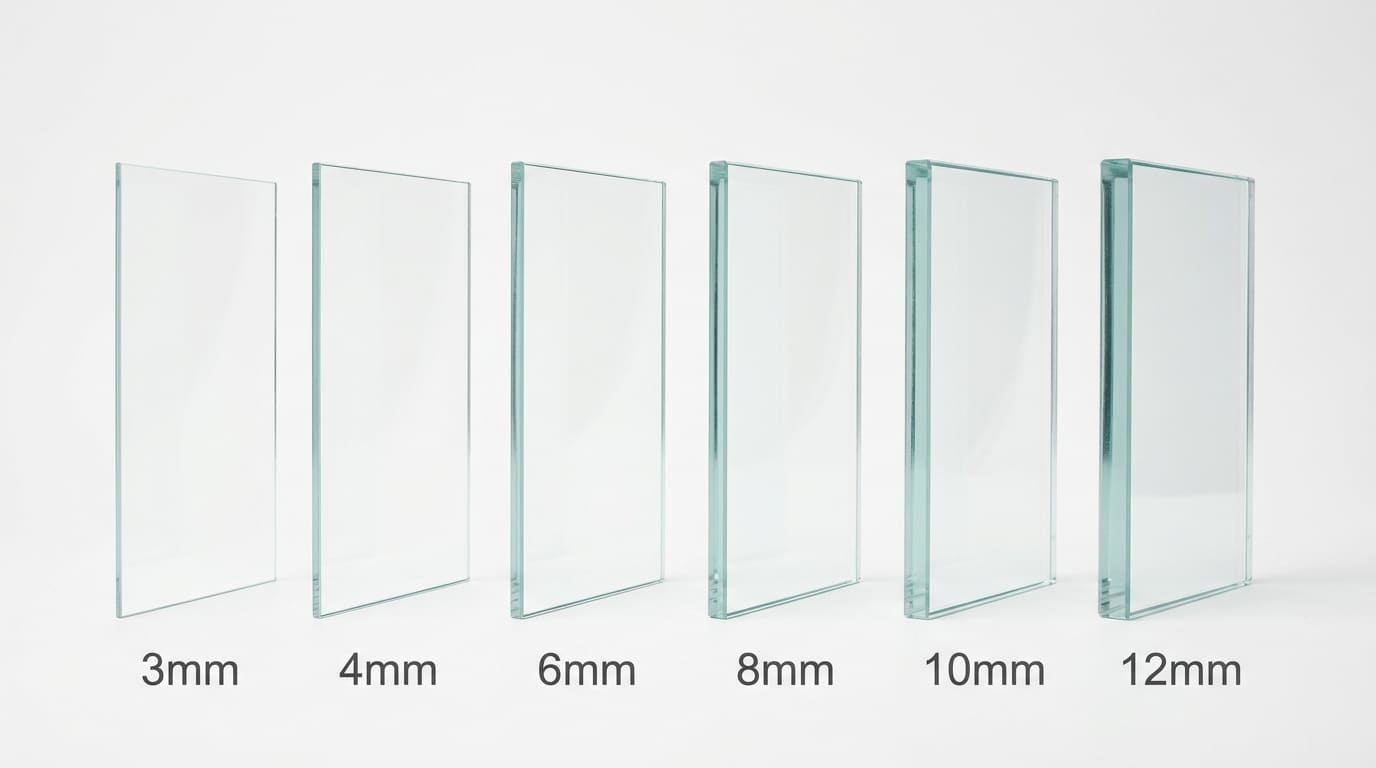
Glass thickness is measured in millimeters across the industry. The most common residential thicknesses range from 3mm to 6mm for standard windows, while commercial and specialty applications use 8mm through 19mm. Understanding the capabilities and limitations of each thickness helps you make an informed decision.
3mm Glass: Budget Single-Pane Applications
At just 3mm thick (approximately 1/8 inch), this is the thinnest commonly available flat glass. It is lightweight and economical but offers minimal structural strength, sound insulation, or energy performance. In the DMV area, 3mm glass is primarily used for picture frames, small cabinet doors, and interior decorative applications where structural demands are minimal.
Modern building codes in Virginia, Maryland, and DC generally do not permit 3mm glass for exterior window applications in new construction or renovations. It lacks the wind load resistance required by the International Building Code and local amendments. If your older DMV home still has 3mm single-pane windows, upgrading to thicker glass or insulated glass units dramatically improves comfort and energy savings.
4mm to 5mm Glass: Standard Residential Windows
Glass in the 4mm to 5mm range (approximately 5/32 to 3/16 inch) is the workhorse of residential glazing. Most insulated glass units (IGUs) used in DMV homes feature two panes of 3mm or 4mm glass separated by an air or gas-filled spacer. This configuration delivers solid thermal and acoustic performance while keeping weight manageable for standard window frames.
For single-pane applications like interior doors, sidelights, or storm windows, 4mm tempered glass is a common specification. Virginia and Maryland building codes require tempered or laminated safety glass in hazardous locations regardless of thickness, so the 4mm pane must be safety-rated when used in doors, shower enclosures, or within 24 inches of a door.
Virginia Glass Windows stocks 4mm and 5mm glass in clear, low-E, tinted, and patterned varieties. We cut and temper to your exact dimensions, and our technicians verify that the chosen thickness meets local code requirements before installation.
6mm Glass: The Versatile Standard
At 6mm (approximately 1/4 inch), glass becomes noticeably sturdier and more versatile. This is the standard thickness for most commercial storefront systems, larger residential windows, patio doors, and many specialty applications. In the DMV region, 6mm tempered glass is the minimum specification for frameless shower doors, glass table tops, and many commercial glazing systems.
Six-millimeter glass provides measurably better sound insulation than thinner options, making it a popular upgrade for DMV homeowners dealing with traffic noise along busy corridors like Route 7 in Tysons, Georgia Avenue in Silver Spring, or Wisconsin Avenue in Bethesda. When used in an asymmetric IGU configuration (pairing 6mm with 4mm), sound reduction improves significantly.
For large window openings exceeding 12 square feet, 6mm glass is often the minimum practical thickness to handle wind loads. Virginia Glass Windows performs wind load calculations based on your specific location, window size, and building height to confirm that 6mm is sufficient or whether a thicker option is needed.
8mm to 10mm Glass: Commercial and Heavy-Duty Residential
Glass in the 8mm to 10mm range (approximately 5/16 to 3/8 inch) bridges the gap between standard and structural glazing. Common applications include heavy commercial doors, large frameless shower enclosures, glass partitions, and oversized windows in high-rise buildings. In the DMV area, 10mm tempered glass is the standard specification for most commercial entrance doors and many glass railing systems.
The increased thickness provides substantially better impact resistance and wind load performance. For DMV buildings in exposed locations or at higher elevations, such as waterfront properties along the Potomac or high-rise condos in Rosslyn and Tysons, 8mm to 10mm glass may be required to meet IBC wind load tables.
Weight is a significant consideration at these thicknesses. A square meter of 10mm glass weighs approximately 25 kilograms (55 pounds), requiring robust frames and hardware. Virginia Glass Windows ensures that your window frames, hinges, and mounting systems are rated for the additional weight.
12mm to 19mm Glass: Structural and Specialty Applications
Glass at 12mm (1/2 inch) and above enters the realm of structural glazing. These thicknesses are used for glass floors, glass stairs, structural glass railings, glass canopies, and large commercial curtain wall panels. In the DMV region, projects like glass balcony railings on high-rise condos, glass pool fences, and architectural feature walls commonly specify 12mm to 19mm tempered or laminated glass.
At 19mm (3/4 inch), glass is extraordinarily strong and heavy. It is used in bullet-resistant assemblies, bank teller windows, government building security glazing, and specialized architectural applications. The Washington DC area has significant demand for security-rated glass in government-adjacent buildings, embassies, and high-security commercial properties.
Virginia Glass Windows works with specialty glass fabricators to source 12mm through 19mm glass in tempered, laminated, and tempered-laminated configurations. Our team handles the engineering calculations, code review, and professional installation that these demanding applications require. Contact us for a free consultation on your structural glass project.
Building Code Requirements in the DMV
Virginia, Maryland, and Washington DC each adopt the International Building Code with local amendments that specify glass thickness requirements. Key factors include wind load zone (all three jurisdictions fall within specific ASCE 7 wind speed maps), building height, glass area, and whether the glass is in a safety-glazing hazardous location as defined by IBC Chapter 24 and CPSC 16 CFR 1201.
For residential projects, the code specifies minimum glass thickness based on window area and design wind pressure. A standard 3-foot by 5-foot window at ground level in a typical DMV suburban home requires a minimum of 3mm glass per the tables, but practical considerations (energy efficiency, sound, durability) mean that most professionals recommend 4mm or thicker in IGU configurations.
Virginia Glass Windows provides code-compliant glass thickness recommendations with every project. Our technicians are trained on Virginia USBC, Maryland Building Performance Standards, and DC Construction Codes, ensuring your glass installation passes inspection the first time. Request a free on-site assessment to determine the optimal glass thickness for your specific project.
Need Help With Your Glass?
Send us a photo of your window or glass issue and get a free estimate within hours. Our experts serve all of DC, Maryland, and Virginia.
Common Questions
Frequently Asked Questions
Answers to common questions about this topic from our DMV glass experts.
Keep Reading
Related Guides
Explore More Resources
Related Articles
Common Problems
Our Services
Ready to Get Started?
Get a free estimate from our glass experts. Same-day service available across DC, MD & VA.