Glass Solutions for Retail Stores: Storefronts, Displays & Security
The right glass transforms a retail store — creating inviting storefronts, protecting merchandise, and meeting safety codes. Here is the complete guide for DMV retail business owners.
Mike Reynolds
Lead Glass Technician & Owner
In This Article
Storefront Glass Options for Retail
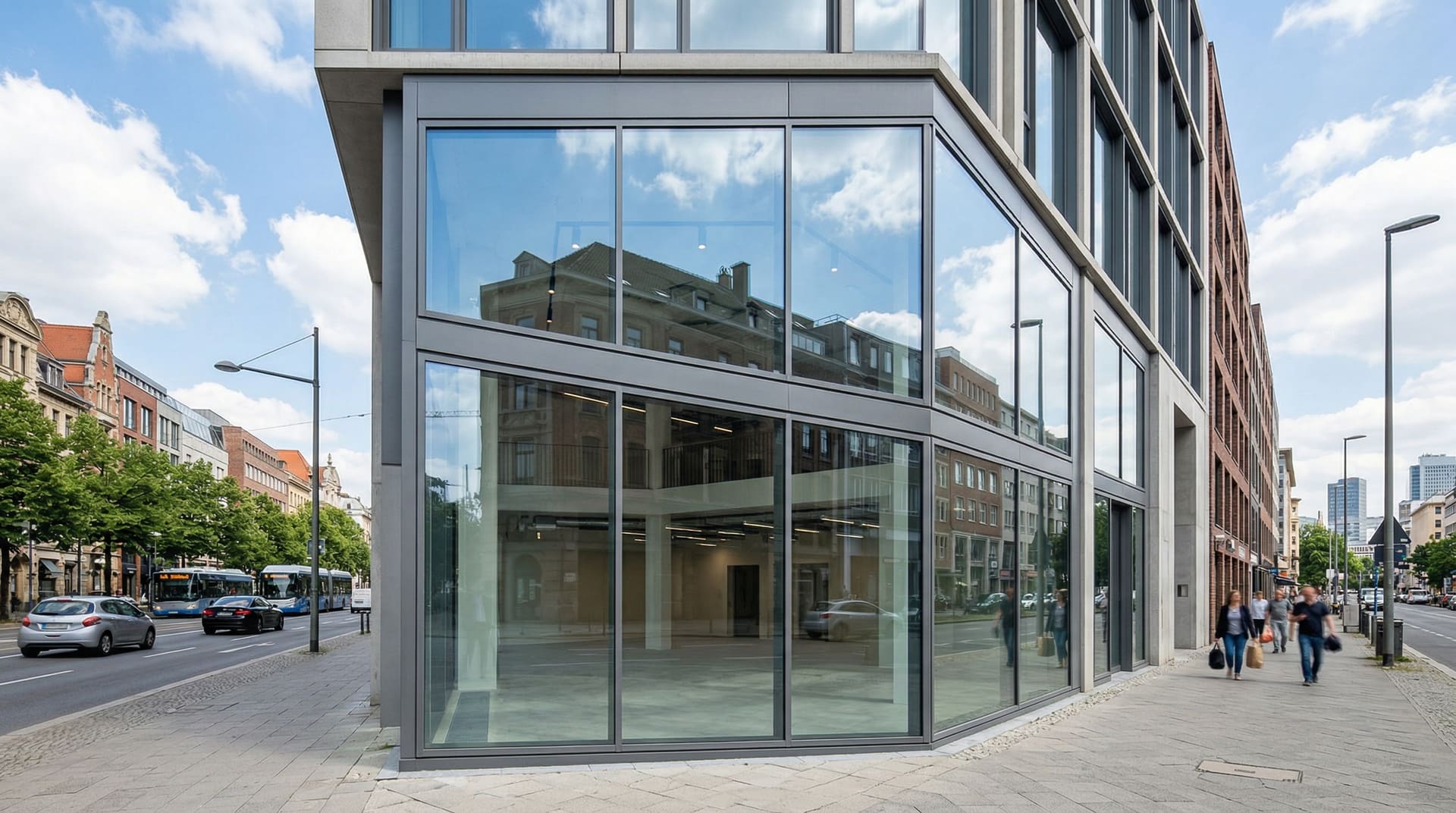
Your storefront glass is the single most important element of your retail store's street presence. It is the first thing potential customers see, and it determines whether they walk in or walk past. In the DMV area's competitive retail landscape — from Georgetown's M Street boutiques to Tysons Corner's shopping centers to Baltimore's Harbor East — the right storefront glass does more than fill an opening; it merchandises your brand, controls your interior environment, and protects your investment.
Standard tempered storefront glass in 1/4-inch thickness is the baseline for most retail applications. It meets building code requirements for safety glazing in commercial door and entrance assemblies, resists thermal stress, and provides clear, undistorted views of your merchandise. For storefronts with southern or western exposure — common in many DMV retail corridors — Low-E coated glass reduces solar heat gain by up to 70 percent, significantly cutting cooling costs while maintaining visual transparency. This matters in the DMV's hot, humid summers when an uncoated storefront can turn your sales floor into a greenhouse.
Ultra-clear (low-iron) glass like Starphire eliminates the green tint visible in standard glass, providing true color rendering for stores where accurate color display matters — fashion boutiques, art galleries, jewelry stores, and cosmetics retailers. The difference is particularly noticeable in large glass expanses where the green tint of standard glass becomes more pronounced. The premium for ultra-clear glass is modest relative to the total storefront installation cost and the visual impact on your merchandise presentation.
Display Cases and Interior Glass
Interior glass serves both functional and aesthetic roles in retail environments. Display cases protect merchandise while keeping it visible and accessible to the eye. The glass specification for display cases depends on the merchandise value, the security risk, and the visual requirements. Standard 1/4-inch tempered glass works for general retail displays — clothing, accessories, home goods. Jewelry stores, electronics retailers, and high-value merchandise displays should use laminated glass or laminated-tempered glass for its post-breakage security properties; even if broken, laminated glass holds together, maintaining a barrier around valuable items.
Glass shelving, partition walls, and point-of-sale dividers create visual structure within the retail space without blocking sight lines or natural light. Tempered glass shelving in 3/8-inch or 1/2-inch thickness provides clean, modern display surfaces that complement virtually any retail aesthetic. Glass partition walls can define departments, create fitting room areas, or separate stockroom access points while maintaining the open, spacious feel that modern retail design demands.
Anti-reflective coated glass is worth considering for museum-quality display cases and high-end retail where reflections obscure the merchandise. Standard glass reflects approximately 8 percent of light at each surface, creating distracting reflections that compete with the displayed items. Anti-reflective coatings reduce this to under 1 percent, making the glass virtually invisible and allowing the merchandise to take center stage.
Security Glass and Anti-Smash Solutions
Retail glass security is a serious concern for DMV businesses, particularly in urban locations and high-value retail environments. Smash-and-grab theft, vandalism, and break-ins through storefront glass are risks that every retail business owner must address. The good news is that modern glass security options provide effective protection without turning your storefront into a fortress.
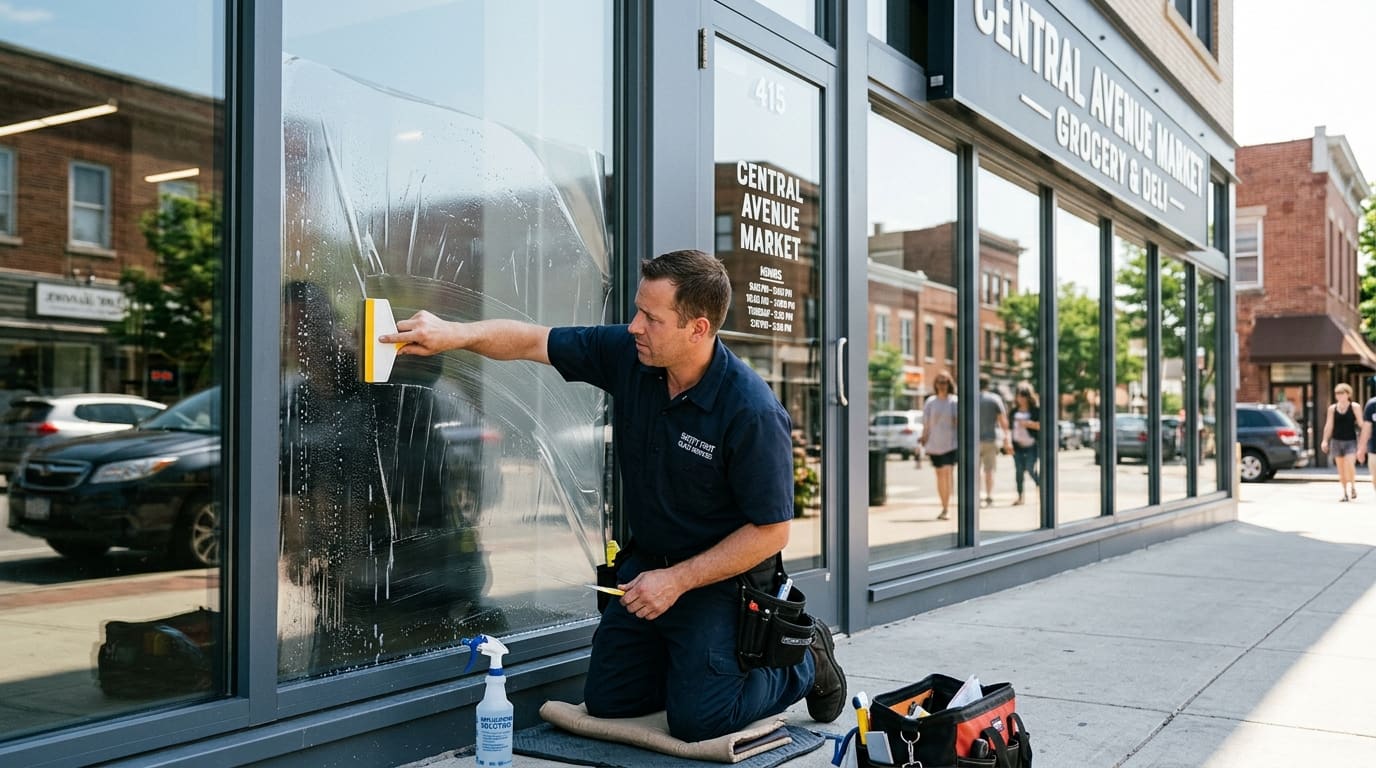
Security film — a heavy-gauge polyester film applied to the interior surface of existing storefront glass — is the most cost-effective security upgrade for retail glass. Thicknesses range from 4 mil (basic shatter retention) to 14 mil or more (anti-intrusion grade). When glass with security film is struck, the film holds the fragments together, preventing or significantly delaying entry through the opening. Security film can be clear, virtually invisible from the outside, or tinted for solar control. For many DMV retailers, 8-mil or 12-mil clear security film provides a meaningful deterrent at a fraction of the cost of replacing the glass with laminated panels.
Laminated security glass — two or more layers of tempered glass bonded with a thick PVB or SGP interlayer — provides a higher level of protection than security film. When struck with a blunt object, the glass layers break but the interlayer prevents penetration. Repeated blows may eventually breach the panel, but the time and noise required act as strong deterrents. For high-value retailers — jewelry stores, electronics shops, cannabis dispensaries, and designer boutiques in the DMV area — laminated security glass in the storefront is a worthwhile investment that also provides superior sound reduction and UV filtering.
Code Requirements and Insurance Considerations
Retail glass installations in the DMV area must comply with commercial building codes that are more stringent than residential requirements. All glass in commercial entrance assemblies must be safety glazed (tempered or laminated). Glass within 24 inches of a doorway, glass below 18 inches from the floor, and glass in any location where customers could walk into it must meet CPSC 16 CFR 1201 Category II impact resistance. Large glass panels in commercial settings may also need to meet specific wind load ratings based on the building's location, height, and exposure.
ADA (Americans with Disabilities Act) requirements affect retail glass installations as well. Glass doors must meet specific force limits for opening, and glass entrance systems must accommodate wheelchair access. Glass walls and partitions in the path of travel may need visual markers — etched bands, applied decals, or fritted patterns — to make them visible to people who might otherwise walk into them. These are code requirements, not options, and failure to comply creates liability exposure for the business.
Insurance considerations intersect with glass specifications in important ways. Your commercial property insurance policy may specify minimum glass standards for covered perils. Some insurers offer premium discounts for laminated or security-film-protected storefronts. If you experience a break-in through standard glass and your insurer determines that a reasonably available security glass upgrade would have prevented the loss, coverage disputes can arise. Documenting your glass specifications and discussing them with your insurance agent ensures alignment between your glass installation and your coverage.
DMV Retail Glass Services From Virginia Glass Windows
Virginia Glass Windows serves retail businesses throughout Washington DC, Maryland, and Virginia with comprehensive storefront glass services. We handle new storefront installations for retail buildouts and tenant improvements, glass replacement for damaged or outdated storefronts, security film application for existing glass, display case fabrication and installation, and emergency board-up and glass replacement for break-ins and storm damage.
Retail glass work has to happen around your business schedule. Most storefront glass replacements and installations are performed during off-hours — early morning, late evening, or overnight — to avoid disrupting your operations and your customers' experience. For emergency situations, our 24/7 response service provides immediate board-up to secure your storefront, followed by permanent glass replacement as quickly as the material can be fabricated and delivered. Contact Virginia Glass Windows at (703) 470-7867 for a free consultation on your retail glass needs throughout the DMV area.
About the Author
Mike Reynolds
Lead Glass Technician & Owner
With over 15 years of experience in window and glass repair across the DC, Maryland, and Virginia area, Mike shares practical expertise to help homeowners and businesses make informed decisions about their glass repair and replacement needs.
Need Help With Your Glass?
Our experts are ready to help with any window or glass issue. Free estimates, same-day service available across DC, MD & VA.
Related Articles
Continue reading about commercial
More Commercial
View All
Explore More Resources
Helpful Guides
Common Problems
Our Services
24/7 Emergency
Board-Up & Glass
Licensed & Insured
DC, MD & VA
300+ Areas
DMV Coverage
Same-Day Service
When You Need It
Ready to Get Started?
Get a free estimate for any window or glass service across the DMV area.