Understanding Low-E Glass Coatings: A Homeowner's Guide
Low-E glass coatings improve window energy performance dramatically. Virginia Glass Windows explains how they work, the different types, and what to specify for your DMV home.
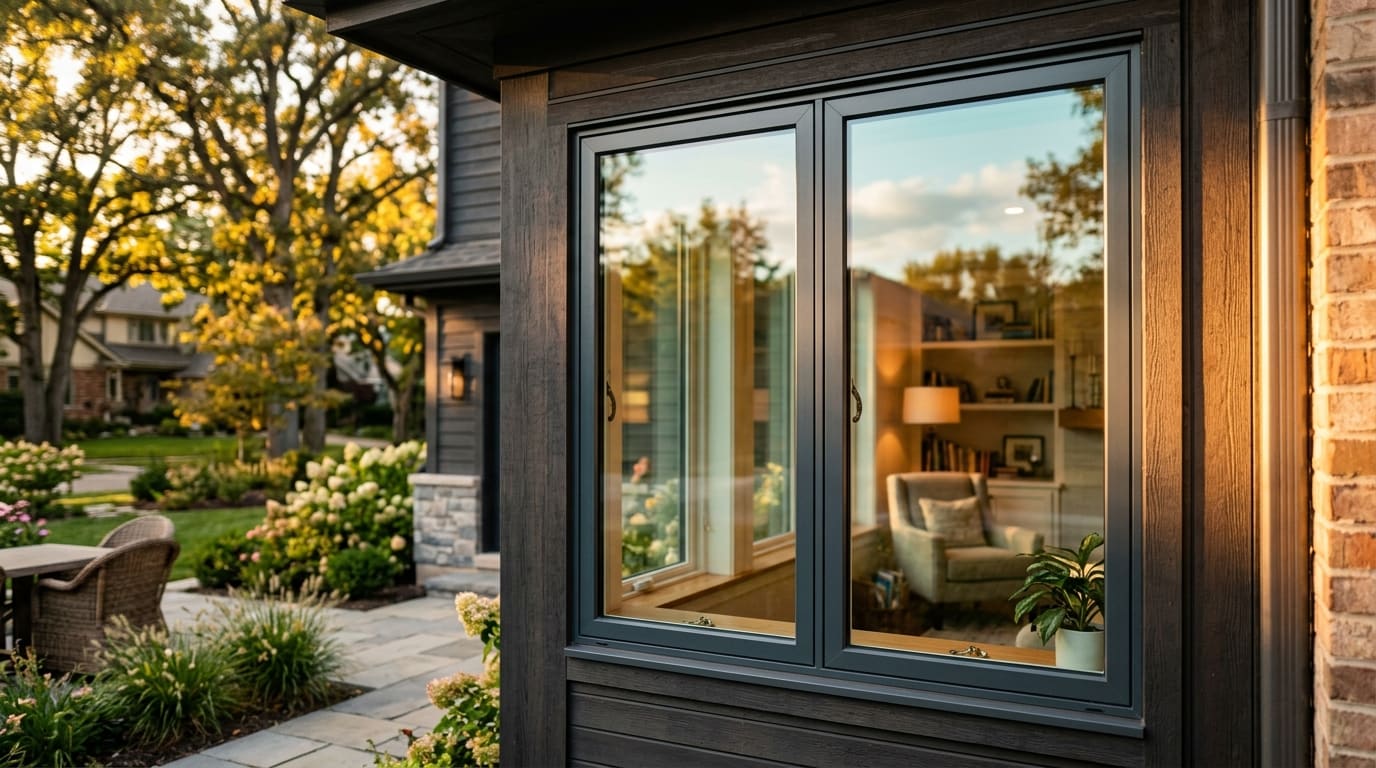
What Is Low-E Glass?
Low-emissivity (Low-E) glass has a microscopically thin metallic or metallic oxide coating applied to one or more glass surfaces. This coating reflects radiant heat — either keeping it inside during winter or reflecting it back outside during summer — while still allowing visible light to pass through.
Without low-E coating, clear glass acts like a radiator in both directions: heat energy radiates freely through the glass regardless of which side is warmer. With low-E coating, radiant energy is largely reflected back to its source, dramatically reducing heat transfer without darkening the glass.
Hard Coat vs Soft Coat Low-E
Hard coat (pyrolytic) low-E is baked onto the glass during manufacturing, creating a durable surface that can face either inward or outward. It has slightly lower performance than soft coat but is more robust and can be used in single-pane applications.
Soft coat (sputtered) low-E is applied in a vacuum deposition process after glass manufacture. It achieves superior performance — particularly lower emissivity — but must be protected inside the sealed IGU cavity. It cannot be exposed to air or touched. All modern residential low-E IGUs use soft coat on the interior glass surfaces.
For the DMV climate, soft coat low-E with SHGC between 0.25 and 0.40 provides the best overall performance. Lower SHGC values (down to 0.20) are better for west-facing windows that receive intense afternoon summer sun.
How Low-E Affects Visible Light
Modern low-E coatings transmit 70 to 75 percent of visible light, compared to 89 percent for uncoated clear glass. The difference is subtle — low-E glass looks slightly less bright than clear glass but does not appear tinted or dark.
Some low-E coatings have a very slight bluish or green cast. This is most noticeable on large commercial glass panels. For residential applications, the color difference is typically imperceptible from inside and minimal from outside.
Low-E and UV Protection
Low-E coatings block 40 to 70 percent of ultraviolet (UV) light, helping to slow fading of furniture, flooring, and artwork. This is a significant side benefit beyond energy performance, particularly in south and west-facing rooms that receive intense sunlight in the DMV.
For maximum UV protection, specify low-E glass with UV-blocking specifications above 95 percent. Some specialty glass products achieve near-total UV blocking while maintaining high visible light transmittance.
Need Help With Your Glass?
Send us a photo of your window or glass issue and get a free estimate within hours. Our experts serve all of DC, Maryland, and Virginia.
Common Questions
Frequently Asked Questions
Answers to common questions about this topic from our DMV glass experts.
Keep Reading
Related Guides
Explore More Resources
Related Articles
Common Problems
Related Pages
Our Services
Ready to Get Started?
Get a free estimate from our glass experts. Same-day service available across DC, MD & VA.