Energy-Efficient Window Glass Options: A Complete Guide for DMV Homeowners
Energy-efficient window glass has advanced dramatically over the past two decades. This guide explains the full range of options — from Low-E coatings to triple-pane units — and helps DMV homeowners choose the right glass for their situation.
Mike Reynolds
Lead Glass Technician & Owner
In This Article
Why Window Glass Is Your Home's Energy Weak Point
Windows account for 25 to 30 percent of residential heating and cooling energy loss in most U.S. homes, according to the Department of Energy. Walls, attics, and floors are insulated; windows are not. Even the best window glass has a fraction of the insulating value of a properly insulated wall section. In the DMV area — with its demanding combination of cold winters, hot and humid summers, and significant solar exposure — windows are a major driver of both heating and cooling energy costs.
Upgrading window glass is one of the highest-return energy improvements available because glass replacement can be done without disturbing the frame, wall, or interior finish — and because the performance gap between old and new glass technology is substantial. A home with original single-pane glass from the 1970s or early double-pane glass from the 1990s has windows that perform at a fraction of current glass technology capability. Understanding the options allows you to match the glass specification to your home's needs and budget.
Option 1: Double-Pane Clear Glass IGU (Entry Level)
A standard double-pane clear glass insulated glass unit is the baseline for energy-efficient window glass — replacing original single-pane glass with a double-pane clear unit roughly halves the heat loss through the glass. The two panes create a dead-air space between them that significantly reduces conductive heat transfer compared to single-pane. This is the minimum upgrade worth making in any window that will be in place for another decade or more.
However, a double-pane clear unit without additional coatings or gas fill still transmits nearly all solar infrared radiation — it keeps heat in during winter but does relatively little to block solar heat gain during summer. For south and west-facing windows in the DMV area, this limitation is significant during the summer cooling season. See our guide to double-pane window repair for context on when upgrading older double-pane units makes sense.
Option 2: Low-E Coated Double-Pane IGU (Standard Recommendation)
Adding a Low-E coating to a double-pane IGU is the single most impactful upgrade for most DMV homes. Low-E coatings reflect infrared radiation — keeping heat inside in winter and reflecting solar heat outside in summer — while remaining virtually invisible to visible light. The performance improvement over standard clear double-pane glass is substantial: a well-specified Low-E IGU can have a U-factor (heat loss rate) 30 to 40 percent lower than a clear double-pane unit.
For most window orientations in the DMV climate, a solar control Low-E coating (lower solar heat gain coefficient / SHGC) on a double-pane argon-filled IGU represents the best value combination — meaningful winter insulation plus meaningful summer solar heat rejection. Read the full explanation of Low-E technology in our Low-E glass benefits guide.
Option 3: Argon and Krypton Gas Fill
The space between the panes in a double-pane IGU is filled with either air, argon, or krypton gas. Argon is the standard gas fill in modern IGUs — it is denser than air, which reduces convective heat transfer between the panes and improves the unit's insulating value by approximately 15 percent over an air-filled unit at the same glass-to-glass spacing. Krypton provides even better performance than argon and allows narrower spacer widths, but costs significantly more.
Argon fill is standard in quality IGUs and should be specified for any replacement unit. If your original windows had argon fill but the IGU seal has failed, the argon has escaped and the unit is now performing as an air-filled unit — one of several reasons IGU seal failure degrades thermal performance beyond just the loss of the gas itself.
Option 4: Warm-Edge Spacer Bars
The spacer bar that separates the two glass panes in an IGU and contains the desiccant is typically made of aluminum, a highly thermally conductive material. The aluminum spacer bar creates a "thermal bridge" at the glass edge where heat conducts readily through the frame — this edge effect reduces the effective insulating value of the entire glass unit, not just at the edge itself, because the cold glass perimeter chills the adjacent glass area through lateral conduction.
Warm-edge spacer bars — made from stainless steel, foam, or composite materials with much lower thermal conductivity than aluminum — significantly reduce this edge-effect heat loss. Warm-edge spacers are standard in ENERGY STAR-certified IGUs and should be specified for replacement glass in high-performance applications. They also reduce the likelihood of edge-zone condensation that accelerates seal failure.
Option 5: Triple-Pane Glass
Triple-pane IGUs add a third pane of glass and a second sealed cavity, providing the highest insulating performance of any standard window glass configuration. They are most commonly specified in very cold climates where winter heating cost reduction is the primary driver, and in passive house or very-low-energy building designs. For most DMV applications, the performance premium of triple-pane over a well-specified double-pane Low-E unit is real but modest relative to the significant additional cost and weight.
Triple-pane glass makes the most sense for windows that face particularly challenging thermal conditions — very exposed north-facing windows, large windows in poorly insulated older walls, or homes where the heating system is already near capacity and any additional load reduction matters. For most DMV window replacement projects, a high-quality double-pane Low-E argon warm-edge unit is the optimal value point.
Choosing the Right Specification for Your Home
The right glass specification depends on your window orientation, your home's heating and cooling balance, your existing window frame condition, and your budget. Virginia Glass Windows can assess your specific windows and recommend glass specifications that match your performance goals and budget. Use our free photo estimate service to get a same-day assessment and a detailed quote for energy-efficient glass replacement, or call (703) 470-7867.
About the Author
Mike Reynolds
Lead Glass Technician & Owner
With over 15 years of experience in window and glass repair across the DC, Maryland, and Virginia area, Mike shares practical expertise to help homeowners and businesses make informed decisions about their glass repair and replacement needs.
Need Help With Your Glass?
Our experts are ready to help with any window or glass issue. Free estimates, same-day service available across DC, MD & VA.
Related Articles
Continue reading about energy efficiency
More Energy Efficiency
View All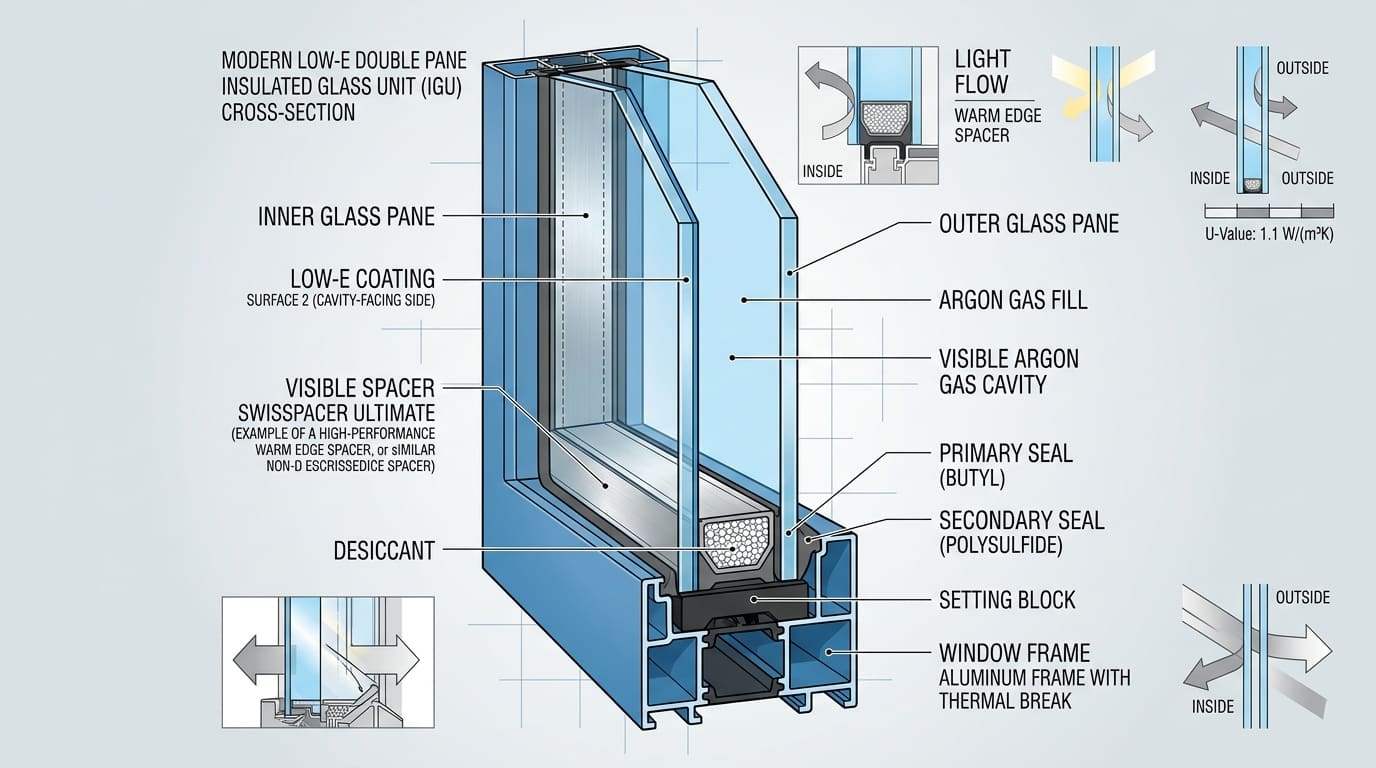
Energy-Efficient Glass Upgrades for DMV Homes: Low-E, Argon & Beyond
10 min read
Low-E Glass Explained: Is It Worth the Upgrade for Your DMV Home?
7 min read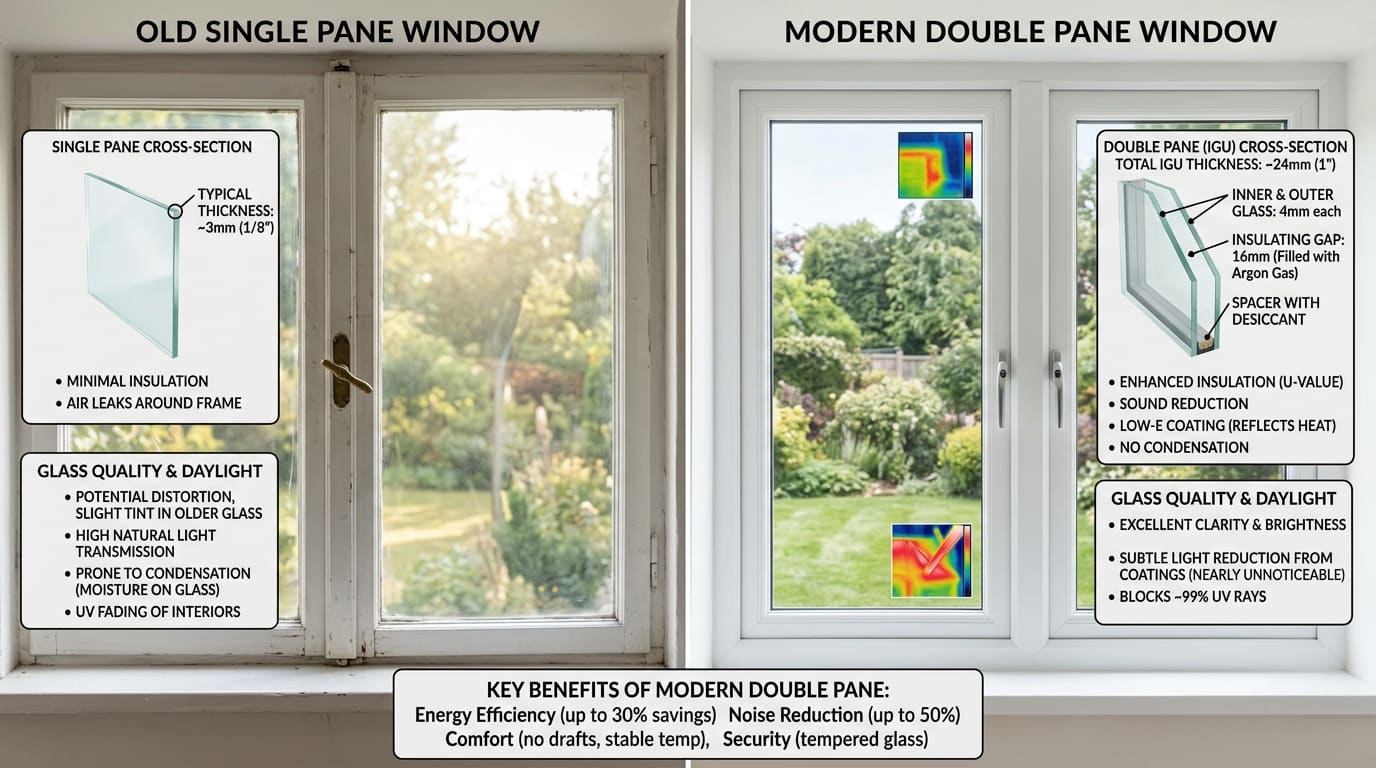
When to Upgrade from Single-Pane to Double-Pane Windows in the DMV
8 min read
How Glass Replacement Saves Money on Energy Bills in the DMV
7 min readExplore More Resources
Helpful Guides
Common Problems
Related Pages
Our Services
24/7 Emergency
Board-Up & Glass
Licensed & Insured
DC, MD & VA
300+ Areas
DMV Coverage
Same-Day Service
When You Need It
Ready to Get Started?
Get a free estimate for any window or glass service across the DMV area.