Why Are My Windows Foggy? Causes, Fixes & Prevention
That persistent haze inside your double-pane windows is not a surface you can clean — it is trapped moisture from a failed seal. What causes it and what actually fixes it permanently.
Mike Reynolds
Lead Glass Technician & Owner
In This Article
What Causes Foggy Windows?
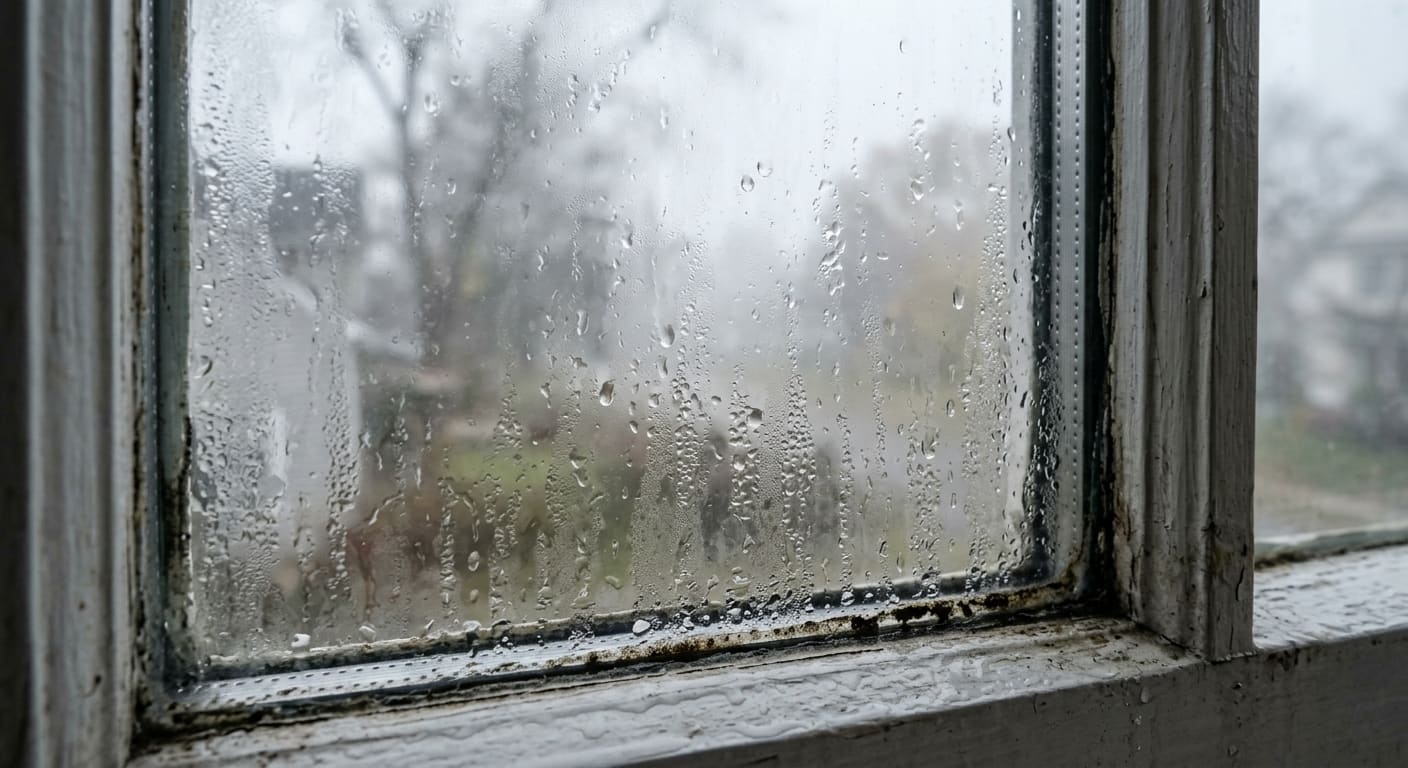
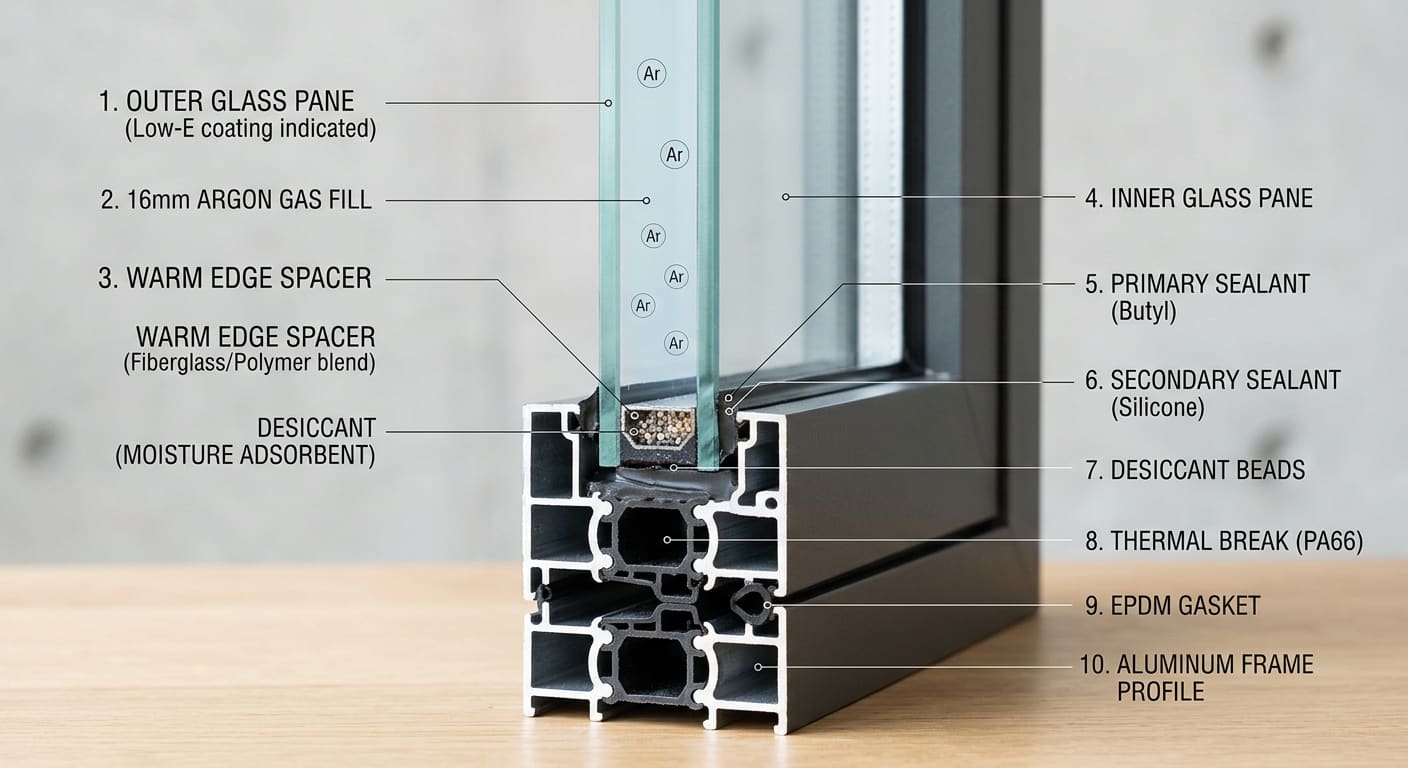
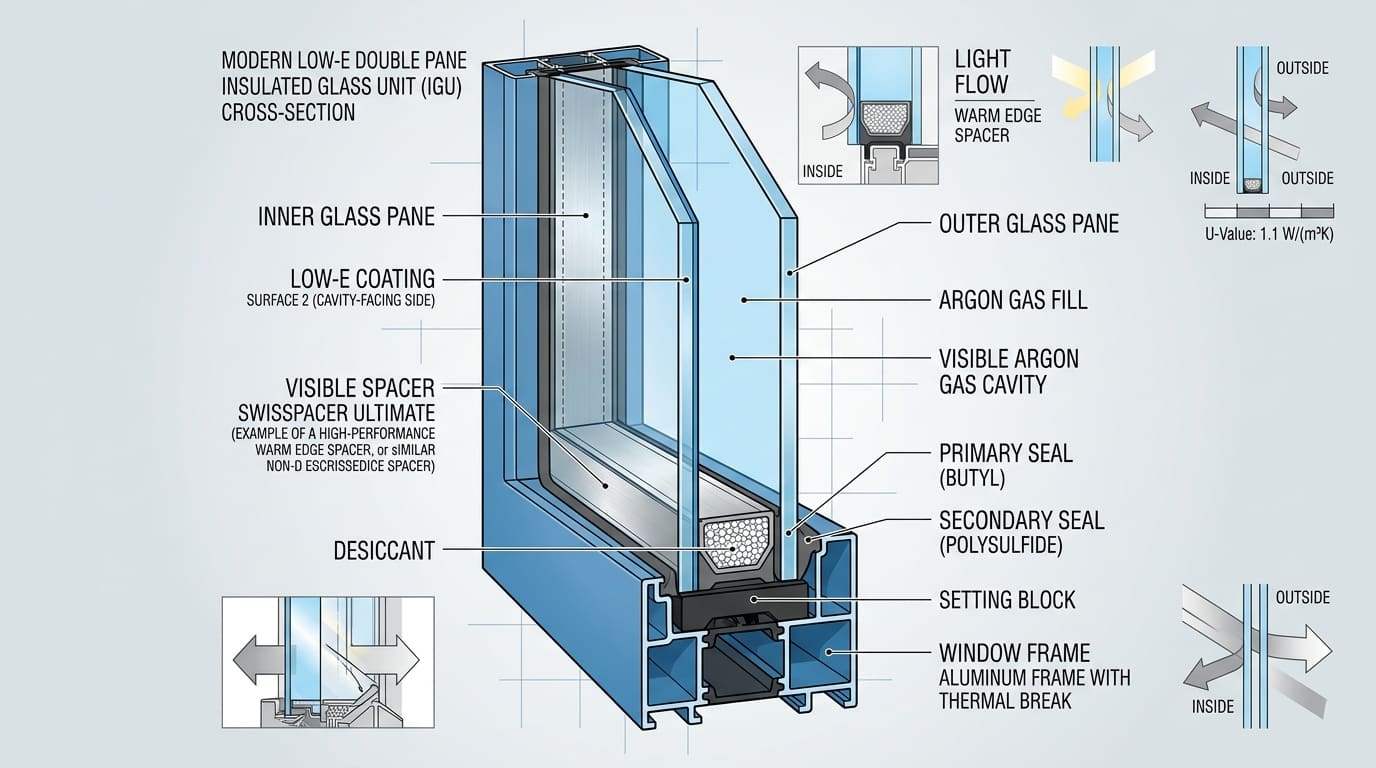
Foggy windows — the persistent haze, condensation, or mineral film visible between the two panes of a double-pane window — are caused by one thing: seal failure. Your double-pane window is a factory-sealed insulated glass unit (IGU) with two glass panes separated by a hermetically sealed cavity filled with argon gas and lined with moisture-absorbing desiccant in the spacer bar. When the perimeter seal fails, outside air enters the cavity. The moisture in that air is initially absorbed by the desiccant. But once the desiccant saturates, the moisture stays visible as condensation, fog, or eventually as a permanent mineral haze etched onto the interior glass surfaces.
This is not something that can be cleaned from the outside or the inside — the moisture is trapped between the panes where no standard cleaning tool can reach. The only permanent solution is replacing the failed IGU with a new factory-sealed unit.
Why Seals Fail: The DMV Factor
Every double-pane window experiences what glass engineers call "thermal pumping." As sunlight heats the glass, the sealed gas cavity expands. As nighttime temperatures fall, it contracts. This expansion-contraction cycle happens every single day, and over 15 to 25 years, it fatigue-stresses the perimeter seal. Eventually, the sealant develops micro-cracks and allows moisture infiltration.
The Washington DC metropolitan area accelerates this process. Our seasonal temperature range — from below zero wind chills in January to 105-degree heat index days in August — is one of the most extreme on the East Coast. That translates to more aggressive daily thermal cycles, especially on south-facing and west-facing windows that absorb direct afternoon sun. West-facing windows in Bethesda, Reston, or Alexandria that catch the full force of summer afternoon sun often develop seal failures 3 to 5 years earlier than north-facing windows in the same house.
The Stages of Seal Failure
Seal failure progresses in predictable stages. In the early stage, you may notice condensation that appears on cold mornings and disappears as the glass warms — the desiccant in the spacer bar is still absorbing infiltrating moisture, but the desiccant capacity is being consumed. This stage can last months to years depending on how quickly moisture is infiltrating.
In the middle stage, fogging becomes persistent and visible in multiple conditions. The desiccant is saturating and can no longer absorb all the moisture entering the cavity. You may see droplets on the interior glass surfaces or a consistent milky haze that does not clear even on warm days. Energy efficiency is declining because the argon gas fill has been displaced by moisture-laden air.
In the final stage, minerals dissolved in the moisture — calcium, silica, iron compounds from the glass surface and spacer bar — deposit onto the interior glass surfaces as the moisture evaporates and re-condenses. This creates a permanent etched or stained appearance that remains even if the moisture could somehow be removed. Windows at this stage need replacement promptly — the longer you wait, the more permanent the interior staining becomes.
Why Defogging and Drilling Treatments Do Not Work
You may encounter services that offer to "defog" failed IGUs by drilling small holes into the unit, injecting cleaning solution, adding desiccant pellets, and resealing the holes. This temporarily removes visible fogging. It does not restore the hermetic seal. It does not restore the argon gas fill. It does not remove the mineral deposits already etched into the glass surfaces. And it introduces drilled holes that become additional weak points for future moisture infiltration.
Virtually all defogged units re-fog within 12 to 36 months. You have paid for a cosmetic and temporary fix while the underlying seal failure remains and continues to worsen. The money spent on defogging is wasted — it would have been better applied toward the cost of proper IGU replacement. Virginia Glass Windows does not offer defogging services because we consider it dishonest to charge for a fix that does not fix anything permanently.
The Permanent Fix: IGU Replacement
Replacing the failed IGU with a new factory-sealed unit is the only permanent solution for foggy windows. The process involves removing the failed glass unit from your existing window frame and installing a new IGU matched to your frame dimensions. This restores crystal-clear visibility, full argon gas insulation, weathertight sealing, and proper thermal performance — everything the original window had when new.
When replacing a failed IGU, you can simultaneously upgrade from the original glass specification to modern Low-E glass with improved energy performance. Many DMV homes built in the 1990s have original clear glass double-pane units — replacing these failed units with current Low-E argon IGUs delivers both the fix for the fog problem and a meaningful energy efficiency upgrade. The incremental cost of upgrading to Low-E at the same time you are already replacing the glass is modest and pays back in energy savings over years of use.
Prevention: Extending the Life of Your Remaining IGUs
While no IGU seal lasts forever, you can extend its life. Keep heating vents directed away from window glass — a hot air stream blowing directly onto a cold window dramatically accelerates thermal cycling. Keep window glass clean, as certain cleaners damage sealant materials over time (avoid ammonia-based products near the glass perimeter). Address any chips or cracks at the glass edge promptly, as these stress the seal locally and accelerate failure in that area.
If your home has multiple windows of similar age, inspect all of them annually for early signs of seal failure — morning condensation that disappears is an early warning. Catching failures early and replacing IGUs before they reach the mineral-stain stage preserves your options and avoids the more permanent damage that long-deferred failures cause.
Contact Virginia Glass Windows at (703) 470-7867 or use our photo estimate tool for a fast assessment of your foggy windows. We serve all of Washington DC, Northern Virginia, and Maryland.
About the Author
Mike Reynolds
Lead Glass Technician & Owner
With over 15 years of experience in window and glass repair across the DC, Maryland, and Virginia area, Mike shares practical expertise to help homeowners and businesses make informed decisions about their glass repair and replacement needs.
Need Help With Your Glass?
Our experts are ready to help with any window or glass issue. Free estimates, same-day service available across DC, MD & VA.
Related Articles
Continue reading about guides
More Guides
View All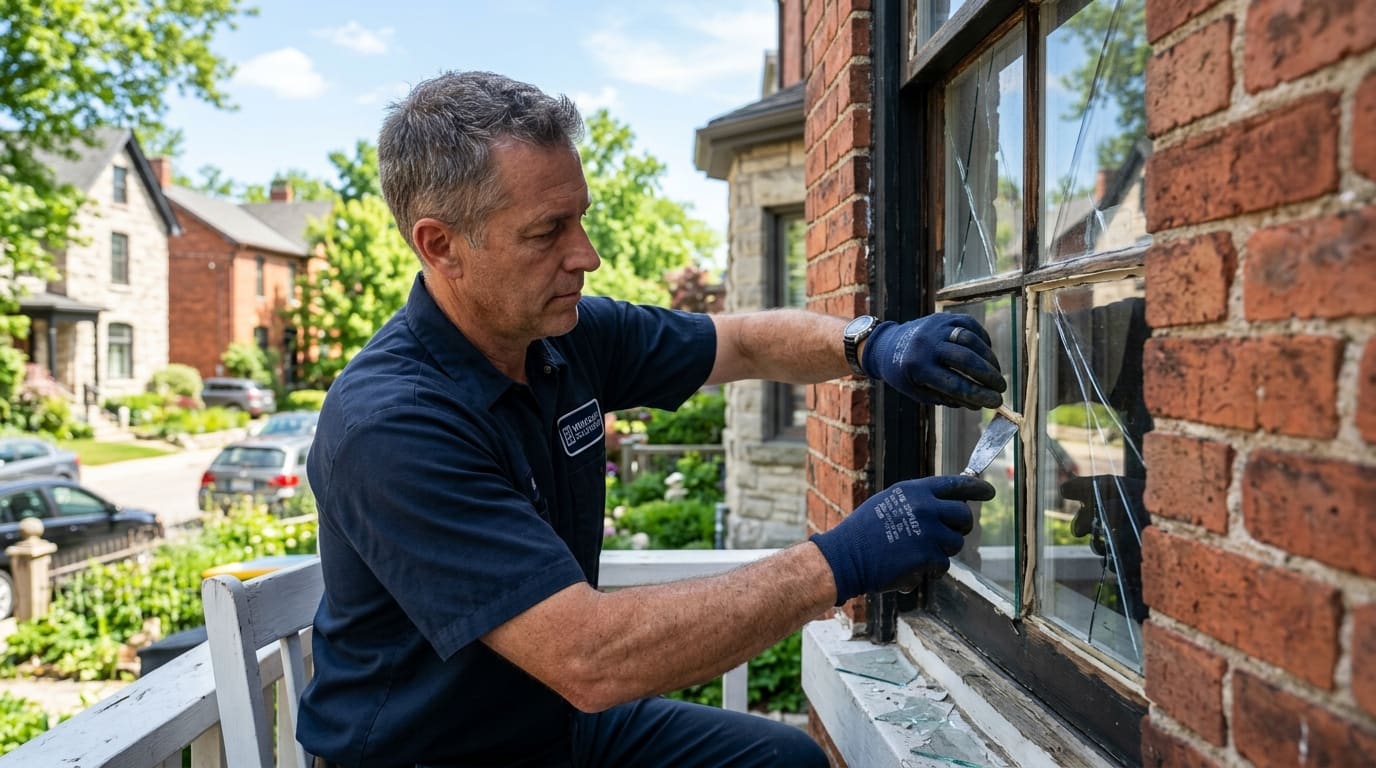
How to Tell If Your Window Glass Needs Repair or Replacement
8 min read
Stress Cracks in Windows: Causes, Prevention & Solutions for DMV Homeowners
7 min read
Foggy Windows: Why Double-Pane Seals Fail & What to Do About It
9 min read
Glass Replacement in Historic DMV Homes: Preservation Meets Performance
9 min readExplore More Resources
Common Problems
Related Pages
Our Services
Free Tools
24/7 Emergency
Board-Up & Glass
Licensed & Insured
DC, MD & VA
300+ Areas
DMV Coverage
Same-Day Service
When You Need It
Ready to Get Started?
Get a free estimate for any window or glass service across the DMV area.