Glass for Restaurants & Bars: Storefronts, Partitions, Display Cases & Health Code Compliance
Restaurant and bar glass guide for DC, Maryland, and Virginia. Storefronts, partitions, display cases, decorative glass, and health code compliance. Virginia Glass Windows.
Glass Is Everywhere in Food Service — and It All Has to Be Right
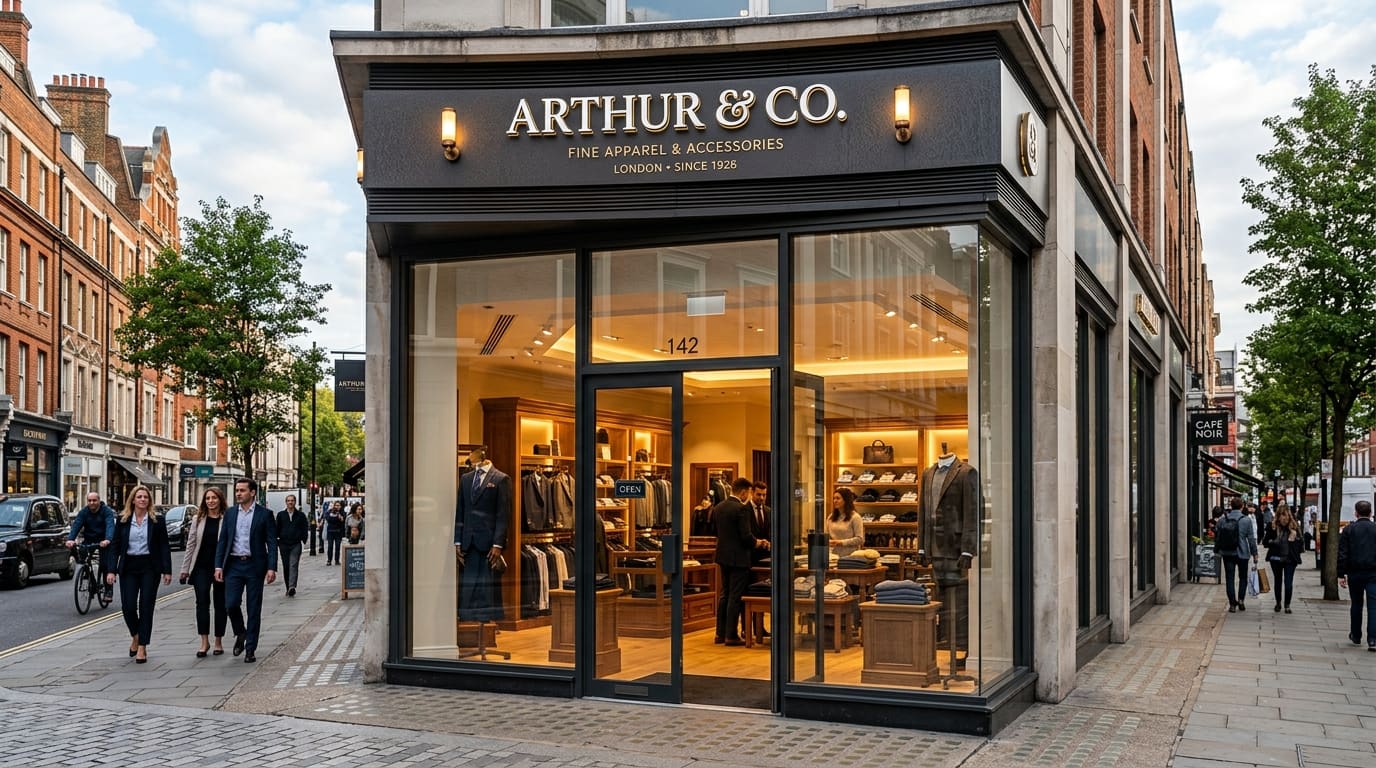
Walk into any DMV restaurant that has opened or renovated in the past five years and look at how much glass is in the space. Floor-to-ceiling storefront glazing on the street facade. Glass-paneled wine walls and back bars. Open kitchen pass-through windows. Frosted glass partitions between dining zones. Display cases for pastries or charcuterie. Glass-panel garage doors that open the entire front of the restaurant to the street in good weather. Glass is one of the primary materials of contemporary restaurant and bar design, and it comes with its own set of safety codes, health code considerations, and maintenance requirements that are specific to the food service environment.
We do a substantial amount of commercial glass work for restaurants and bars in the DMV — everything from emergency storefront repairs after a break-in to full glass package coordination for new restaurant buildouts in neighborhoods like Shaw, Navy Yard, Union Market, and the Wharf in DC; Bethesda Row and Pike & Rose in Montgomery County; and the Clarendon and Crystal City corridors in Arlington. This guide shares what we have learned about specifying glass for food service environments.
The stakes in a restaurant glass failure are different from a residential break. A broken storefront at 11 PM on a Saturday night means the kitchen crew is standing down while the manager tries to find an emergency glazier. A cracked display case glass during prep service means everything in it needs to move before it gets contaminated. Understanding your glass — what it is, why it was specified, and who to call when it fails — is part of running a food service business in the DMV.
Storefront Glass: The First Impression and the First Risk
Restaurant storefront glass takes more abuse than virtually any other commercial glazing application. Pedestrian traffic means proximity to the glass. Delivery carts, dolly handles, and bike locks all make contact with storefront glass in ways that accumulate stress over time. Break-ins — unfortunately common in DMV restaurant corridors — target storefront glass specifically. And weather events, from the occasional DMV ice storm to derecho-driven wind-borne debris, hit street-facing glass hard.
For restaurant storefronts, we typically specify either tempered glass or laminated glass depending on the security needs of the location. Tempered glass is the standard — it is significantly stronger than annealed glass, meets safety glazing codes for ground-level installations, and shatters into the characteristic small cubes that are less dangerous to people than annealed glass fragments. Laminated glass is specified for restaurants with security concerns: the laminated unit holds together during a break-in attempt, slowing forced entry and buying time for alarm response. In DC neighborhoods with higher break-in rates, we are seeing more restaurant owners proactively upgrade to laminated storefronts.
Low-E coatings on restaurant storefront glass reduce solar heat gain through the glazing — a significant factor in south- and west-facing restaurants where afternoon sun can make window-adjacent seating uncomfortable and increase cooling loads on the kitchen. The right low-E specification balances heat gain reduction with the visibility that makes a restaurant look open and inviting from the street. We work with restaurant designers and owners to find the right balance for each specific facade orientation.
Display Cases and Food Service Glass: Health Code Compliance
Glass in direct contact with or in proximity to food service has specific health code requirements in DC, Maryland, and Virginia. The most relevant is that glass must be smooth, non-porous, and non-absorbent — standard tempered glass meets this requirement. Glass surfaces in food service areas must be capable of being sanitized. This means avoiding etched or frosted glass in surfaces that contact food preparation areas, since the texture traps food particles and bacteria.
Display case glass — for pastry cases, deli cases, charcuterie and cheese displays, and retail wine displays — is typically specified as tempered glass in the sliding door panels and annealed float glass in the fixed display panels. The fixed panels are often very large and curved in modern display case designs. Replacing a broken display case glass panel requires knowing the exact dimensions, the original glass type, and the mounting channel dimensions. Virginia Glass Windows works with restaurant equipment suppliers and can often fabricate replacement panels for commercial display cases faster than the original equipment manufacturer's parts supply chain.
Heat lamp and warming display cases present an additional specification challenge. The glass used in direct proximity to heat lamp arrays must handle thermal cycling without cracking. For short-wave infrared heat lamps, the glass must also transmit the relevant wavelengths to actually warm the food below it rather than absorbing the radiation. Virginia Glass Windows specifies the appropriate glass type for each display case application — do not assume that a piece of tempered glass cut to size will work in a heat lamp display; it may not.
Glass Partitions: Zoning the Dining Room
Glass partitions are now standard in DMV restaurant interiors for managing the acoustic and visual separation of dining zones without closing off the sense of space. A private dining room separated from the main dining room by a glass partition maintains the visual connection to the main room (which makes the private room feel less isolated) while reducing sound transmission. Bar areas, host stands, and wait stations are frequently separated from the dining floor by glass panels that create visual clarity without physical barrier.
The acoustic performance of a glass partition depends on glass thickness, whether the glass is laminated, and how the partition is mounted. A partition of 1/2-inch tempered glass in a well-sealed frame performs significantly better acoustically than a partition of 1/4-inch tempered glass in a loose frame. For restaurants where acoustic separation between dining zones is a genuine priority — a special events room that might host a cocktail party while the main room is running a normal dinner service — we recommend laminated glass partitions for their superior acoustic damping.
Post-COVID, we have seen significant interest in glass partitions between bar seating positions and between dining tables in certain restaurant segments. These applications use smaller panel sizes and are typically removable rather than permanent. Virginia Glass Windows fabricates custom glass partition panels for these applications in tempered glass with polished edges, sized and shaped to work with the specific table or bar configuration. For restaurant buildouts, we coordinate with the architect and general contractor to ensure partition glass is specified in the construction documents.
Wine Walls, Back Bars, and Decorative Glass
Wine storage displays are a signature design element in DC-area restaurants and wine bars, particularly in neighborhoods like Penn Quarter, Dupont Circle, and Old Town Alexandria where restaurant design is a competitive differentiator. Climate-controlled wine walls with glass-panel doors, floor-to-ceiling wine racks with glass backing, and illuminated glass wine towers all require glass that is both aesthetically striking and functionally appropriate for the environment.
For wine wall display cases, we typically specify low-iron glass (also called ultra-clear or starfire glass) rather than standard float glass. Standard float glass has a green tint from iron content in the glass batch — this tint is visible as a green cast when light passes through the glass edge, and it gives a slight green-gray tint to the view through the glass. Low-iron glass is water-clear with virtually no green tint, which makes the wine bottles and labels appear true to color. In a restaurant where the wine program is a centerpiece of the brand, this detail matters.
Back bar glass, mirrored back bars, and illuminated glass shelving are other areas where decorative glass specification significantly affects the final appearance of the bar. Mirror quality matters in a back bar: standard mirrors have a slight gray-blue tint, while copper-free or specialty mirror products have a cleaner, truer reflection. Illuminated glass shelves require glass with appropriate edge-lighting characteristics — standard glass with polished edges works adequately, but specialty light-diffusing glass creates a more even glow. Virginia Glass Windows sources the full range of specialty glass products and fabricates custom pieces for restaurant design projects. Contact us at (703) 470-7867 for a commercial glass consultation.
Garage Door Glass and Open-Air Concepts
Glass-panel garage doors that open the restaurant front to the street have become one of the defining architectural features of DMV restaurant design over the past decade. H Street NE, 14th Street NW, and the emerging corridors in Brookland and Petworth are full of restaurants and bars with accordion or bifold glass walls or glass-panel overhead garage doors that activate the street-facing facade. These systems dramatically change the indoor-outdoor character of a space but come with specific glass and hardware maintenance requirements.
The glass panels in commercial garage door applications must be tempered safety glass, and the panel framing systems require periodic inspection and lubrication. Because these systems are operated multiple times daily during restaurant operation, the hardware cycles far more than a residential garage door — springs, rollers, and seals wear correspondingly faster. We advise restaurant operators to budget for annual hardware inspection and periodic glass panel replacement as part of normal facility maintenance.
When a panel breaks — which happens, particularly in high-traffic situations where a server or delivery person misjudges clearance — the replacement needs to happen quickly because the door may not operate safely with a missing panel. Virginia Glass Windows maintains stock of common commercial garage door glass panel sizes and can often provide same-day or next-day replacement for standard configurations. For custom-size panels, we typically fabricate within 2 to 5 business days. Having your glass specifications documented before a break occurs allows for faster response — ask us about keeping your glass specifications on file with our commercial accounts team.
Need Help With Your Glass?
Send us a photo of your window or glass issue and get a free estimate within hours. Our experts serve all of DC, Maryland, and Virginia.
Common Questions
Frequently Asked Questions
Answers to common questions about this topic from our DMV glass experts.
Keep Reading
Related Guides
Explore More Resources
Common Problems
Our Services
Ready to Get Started?
Get a free estimate from our glass experts. Same-day service available across DC, MD & VA.