Storefront Glass Selection Guide for DMV Businesses
Choosing the right storefront glass affects security, energy, and customer perception. Virginia Glass Windows explains all options for DC, MD & VA commercial properties.
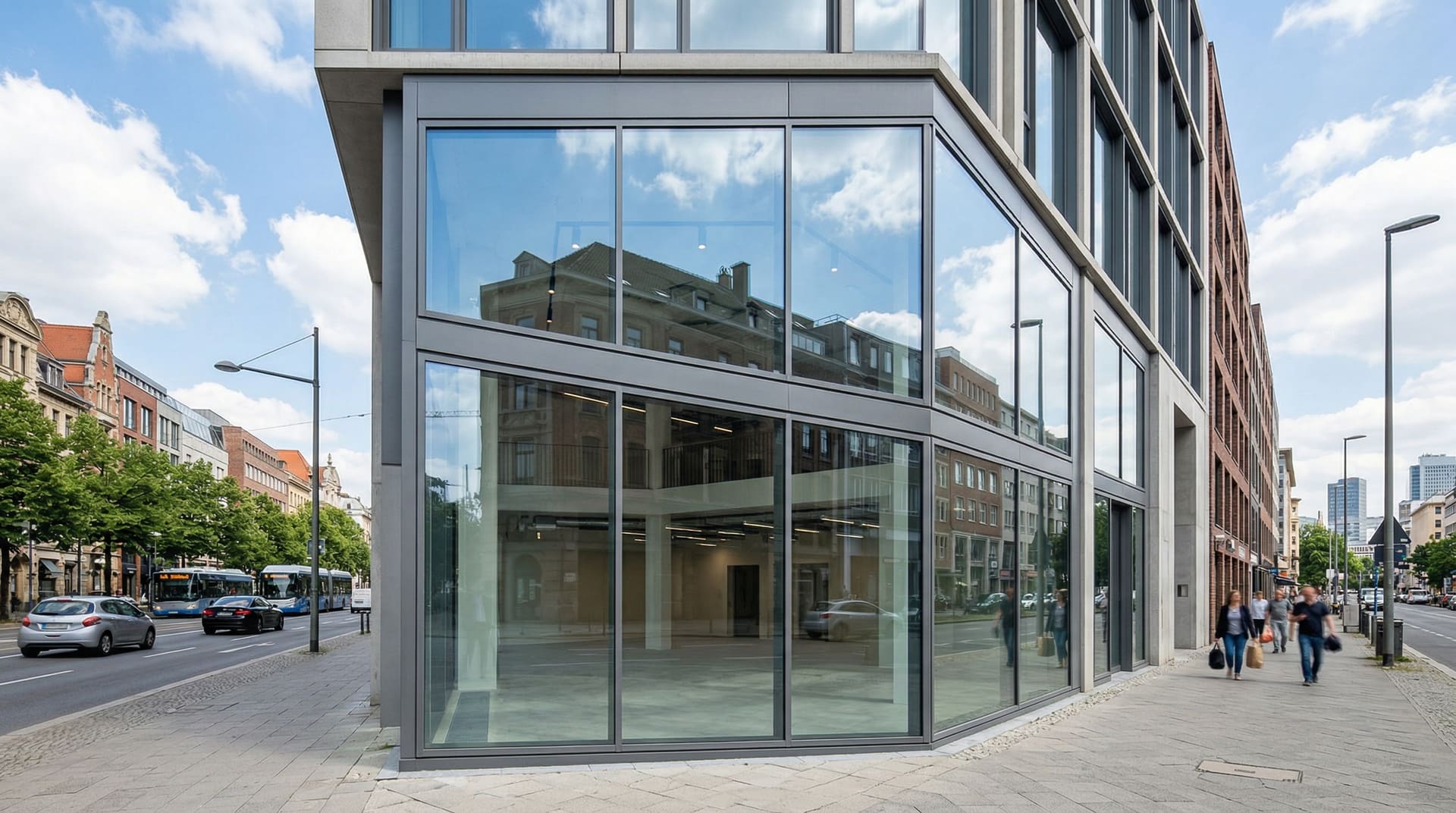
Storefront Glass Basics
Commercial storefront glass refers to the fixed and operable glass systems used in retail, restaurant, and office building facades. Unlike residential windows, storefronts are typically flush-glazed systems where the glass sits in aluminum framing with minimal visible framework.
Standard storefront glass is 1/4-inch tempered clear glass in aluminum storefront framing. This meets code minimum requirements and provides a clean, professional appearance.
Glass Type Selection
Clear tempered glass is the baseline option. It provides maximum visibility into the business — important for retail stores wanting to display merchandise and create an inviting appearance from the street.
Tinted glass (bronze, gray, blue, or green) reduces solar heat gain and glare. This can significantly reduce cooling costs for south and west-facing storefronts in DC and Virginia. The downside is reduced visibility into the store, which may affect customer draw.
Low-E coated glass provides solar control without significant tinting. Spectrally selective low-E glass passes visible light while blocking infrared heat. This is typically the best performance choice for storefronts where visibility matters.
Reflective glass has a metallic coating that creates a mirror-like appearance from the outside. It provides strong solar control but significantly reduces visibility into the business. Most appropriate for office building facades rather than retail storefronts.
Laminated security glass provides substantial forced-entry resistance. For businesses in high-security requirements such as jewelry, medical offices, and financial services, upgrading to laminated glass dramatically increases break-in resistance.
Performance and Code Considerations
DC, Maryland, and Virginia commercial energy codes specify maximum window U-factors and SHGC values for commercial storefronts. Larger glass areas have stricter requirements. Ensure your glass selection meets the energy code requirements for your jurisdiction and building type.
Wind load requirements for commercial glass in DC high-density areas are significant. Glass must be designed to resist wind pressure appropriate to the building height and exposure category. A structural engineer or experienced commercial glazing contractor should review glass selection for new or significantly modified storefronts.
Need Help With Your Glass?
Send us a photo of your window or glass issue and get a free estimate within hours. Our experts serve all of DC, Maryland, and Virginia.
Common Questions
Frequently Asked Questions
Answers to common questions about this topic from our DMV glass experts.
Keep Reading
Related Guides
Explore More Resources
Related Articles
Common Problems
Related Pages
Our Services
Ready to Get Started?
Get a free estimate from our glass experts. Same-day service available across DC, MD & VA.