Why Laminated Glass Is the Best Security Upgrade You Can Make to Your DMV Home
A standard window pane is one of the easiest entry points for a break-in. Most burglaries take less than a minute at the window. Laminated glass fundamentally changes that equation — and it does a lot more than just security.
Mike Reynolds
Lead Glass Technician & Owner
In This Article
The Problem With Standard Glass and Home Security
Standard annealed glass — the glass in most residential windows — breaks cleanly with minimal force. A burglar with a center punch or even a sharp stone can punch through a typical window pane in under three seconds and be inside your home before a neighbor notices anything. Standard glass is light, affordable, and perfectly adequate for its weather-sealing function, but it provides essentially zero resistance to forced entry.
Tempered safety glass — the type required by code in doors, low windows, and shower enclosures — is stronger than annealed glass but still fails decisively under focused impact. When tempered glass breaks, it shatters into thousands of small pieces that create a clear, unobstructed opening immediately. From a security perspective, tempered glass breaks faster and more completely than annealed glass once the impact threshold is reached.
In the DMV, where property crime rates in urban neighborhoods like Columbia Heights, Shaw, Petworth, and parts of Prince George's County are a genuine concern, the standard window is a significant vulnerability. Laminated glass addresses this vulnerability in a way that no other glass type does.
How Laminated Glass Works
Laminated glass is constructed from two or more glass lites bonded together with a polyvinyl butyral (PVB) or cast-in-place resin interlayer. The interlayer is extremely tough and adhesive — it holds the glass fragments together even after the glass itself has broken. When laminated glass is struck with enough force to break the glass, the fragments remain bonded to the interlayer, leaving an intact but damaged sheet rather than a gaping hole.
The difference in forced entry behavior is dramatic. A standard annealed pane breaks through in one to three seconds of impact. A single-layer laminated pane (standard 3mm glass plus 0.38mm PVB plus 3mm glass, typically called 33-1 laminated) can resist repeated hammer blows for 30 to 60 seconds before a penetration large enough for forced entry can be achieved. A heavier security laminate — 6mm outer lite with 1.52mm interlayer — can resist sustained attack for several minutes.
Burglars depend on speed. A window that requires sustained noisy effort to penetrate rather than a single quick strike is, statistically, a window that burglars move on from. The FBI's own research on residential burglary consistently shows that time-to-entry is the primary determinant of whether a burglar attempts or abandons a forced entry. Laminated glass adds exactly the kind of time-and-noise barrier that deters opportunistic break-ins.
Performance Beyond Security
Laminated glass's security benefits come alongside a set of additional performance properties that make it genuinely superior to standard glass in multiple dimensions.
Safety in breakage. Because laminated glass holds together when broken, it eliminates the laceration hazard from glass shards. This is particularly valuable in doors, sidelights, low windows, and anywhere children or adults might fall against glass. Standard tempered glass — which shatters into tiny pieces — is safer than annealed glass in most directions, but laminated glass is safer still because there is no projectile hazard from the broken glass at all.
Sound attenuation. The PVB interlayer in laminated glass acts as a sound-dampening layer. Laminated glass with standard 0.38mm PVB achieves approximately 3 to 5 STC points better than comparable single-pane glass. Acoustic-grade laminates with thicker or specially formulated interlayers can achieve 8 to 12 STC improvement — meaningful noise reduction for homes near major roads, flight paths, or urban noise sources. See our article on acoustic glass for DMV airport neighborhoods for more on this application.
UV blocking. Standard PVB interlayer blocks approximately 99 percent of UV radiation. This reduces fading of furniture, flooring, and art exposed to direct sunlight — a real benefit in sun-exposed rooms that no other standard glass type provides without additional film application.
Storm debris resistance. In a storm event with flying debris — not uncommon in the DMV during summer thunderstorms and the occasional tropical remnant — laminated glass holds together under debris impact that would shatter standard glass. The glass may crack, but it stays in the opening rather than becoming a secondary hazard inside the room.
Laminated Glass in Insulated Units
Laminated glass and double-pane insulating units are not mutually exclusive. Insulated glass units can be built with one or both lites using laminated glass — a combination that delivers both the security and acoustic benefits of lamination and the thermal performance of a sealed insulating unit. For DMV homeowners who want both energy efficiency and security, laminated IGUs are the appropriate specification.
The most common configuration is an IGU with an exterior laminated lite and an interior tempered or annealed lite. The laminated exterior lite provides the security resistance and UV blocking; the tempered interior lite provides safety glass compliance for interior breakage; the sealed gas-filled cavity provides thermal insulation. This is a more expensive unit than a standard clear IGU, but for ground-floor windows in urban locations or any window that represents a significant security vulnerability, the premium is well justified.
Where to Prioritize Laminated Glass in Your Home
For most DMV homeowners, a practical prioritization is: ground floor windows accessible from the street or alley, first priority — laminated glass here provides the most direct security benefit. Sidelight panels adjacent to entry doors, second priority — these are common forced entry points and easy to reach. Sliding patio doors, third priority — laminated glass in the fixed panel and laminated or tempered in the sliding panel significantly improves security at one of the most common residential entry points.
Upper-floor windows accessible via porch roof, deck railing, or attached garage roof are worth considering as well. A burglar willing to climb to a second-floor window is typically more determined, and the laminated glass time barrier is particularly relevant against determined entry attempts.
We regularly recommend and install laminated glass upgrades for DMV homeowners concerned about security. Send us photos of your windows and we can provide a specific recommendation for each window based on location, current glass type, and your security priorities. Call (703) 470-7867 for a consultation.
About the Author
Mike Reynolds
Lead Glass Technician & Owner
With over 15 years of experience in window and glass repair across the DC, Maryland, and Virginia area, Mike shares practical expertise to help homeowners and businesses make informed decisions about their glass repair and replacement needs.
Need Help With Your Glass?
Our experts are ready to help with any window or glass issue. Free estimates, same-day service available across DC, MD & VA.
Related Articles
Continue reading about safety
More Safety
View All
Security Glass Options for DMV Homes: Tempered, Laminated & Impact-Resistant
8 min read
Emergency Window Repair: What to Do When Your Glass Breaks
6 min read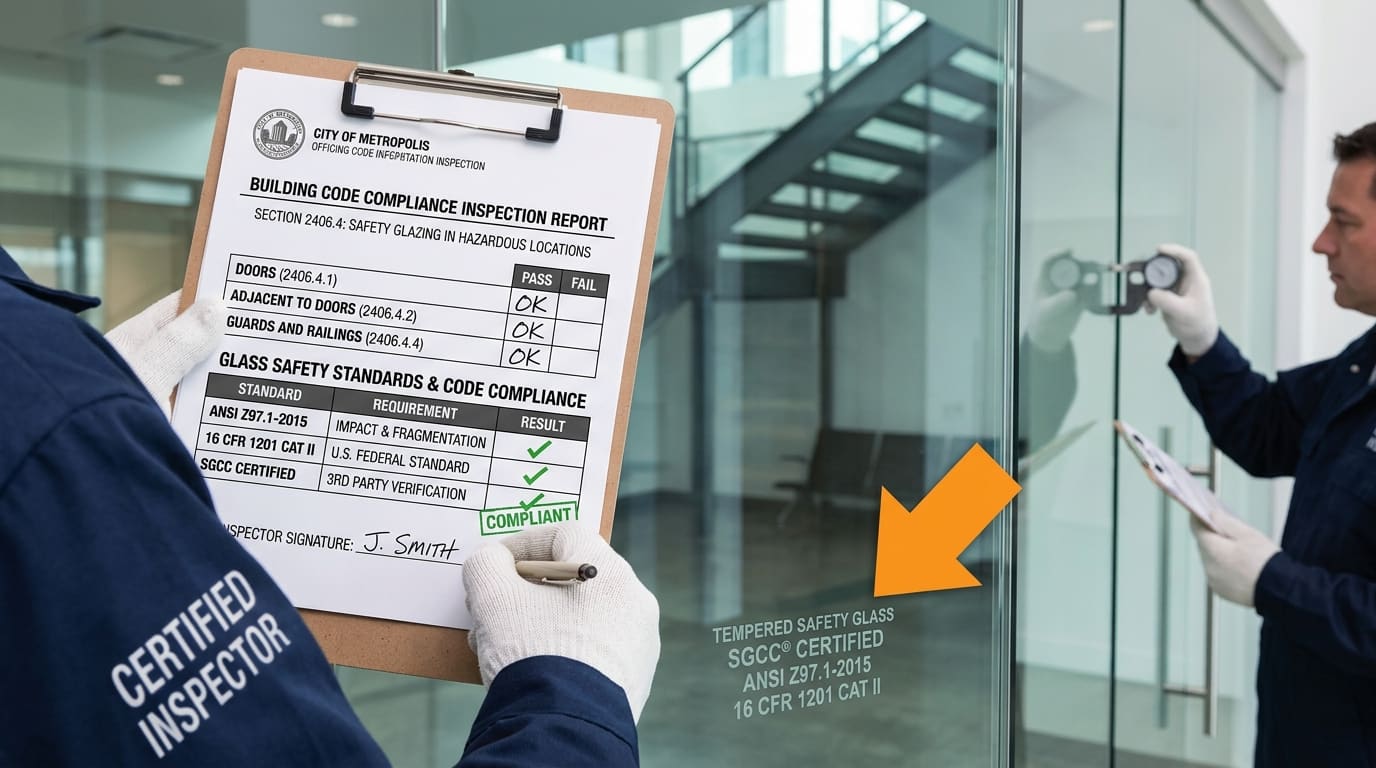
Glass Safety Standards & Building Codes: What Homeowners Need to Know
7 min read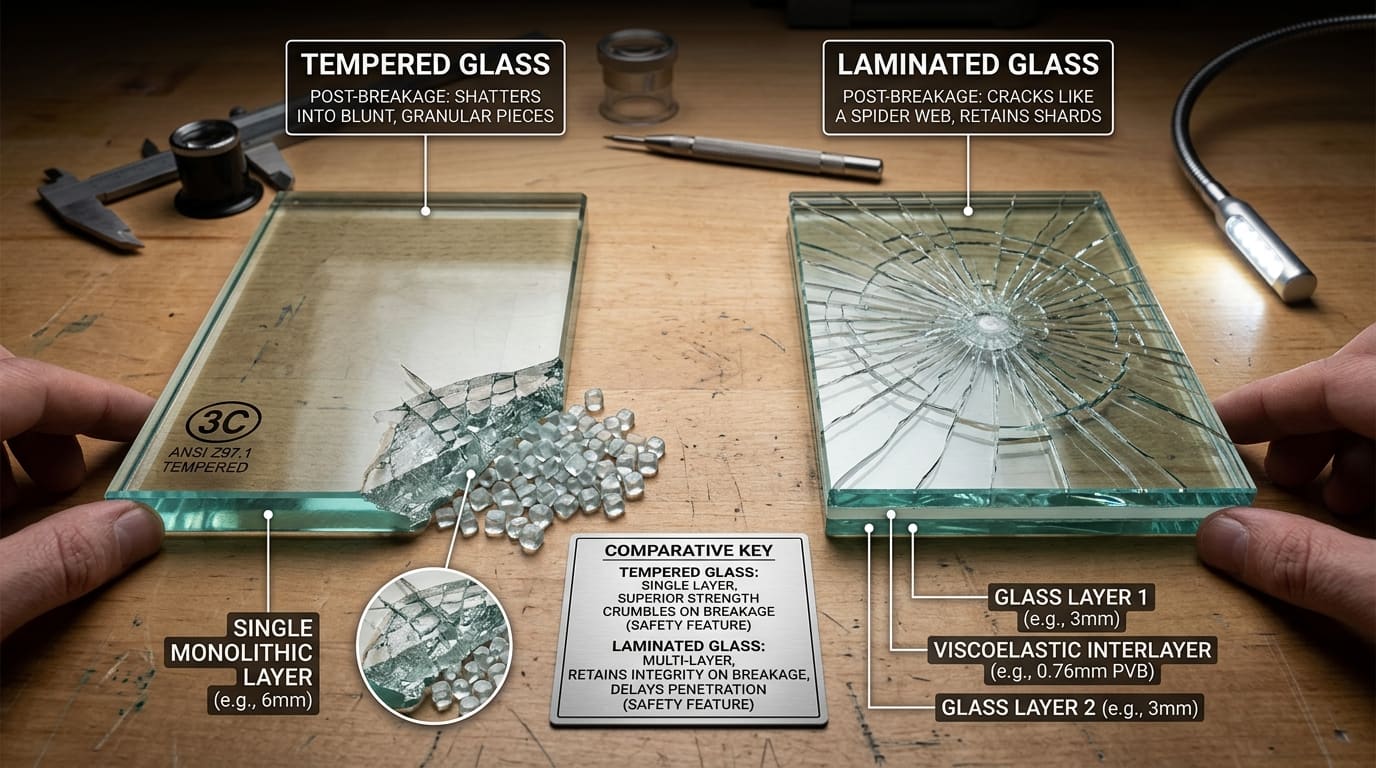
Glass Fence & Railing Code Requirements: Pool, Deck & Balcony
6 min readExplore More Resources
Helpful Guides
Common Problems
Our Services
24/7 Emergency
Board-Up & Glass
Licensed & Insured
DC, MD & VA
300+ Areas
DMV Coverage
Same-Day Service
When You Need It
Ready to Get Started?
Get a free estimate for any window or glass service across the DMV area.