Fireplace Glass Replacement: Types, Safety & Installation Guide
Cracked or clouded fireplace glass is both a safety concern and an efficiency problem. Learn about tempered versus ceramic glass, when to replace, and how to choose the right glass for your fireplace.
Mike Reynolds
Lead Glass Technician & Owner
In This Article
Tempered Glass vs Ceramic Glass for Fireplaces
The distinction between tempered glass and ceramic glass is the single most important thing to understand about fireplace glass, because using the wrong type can be dangerous. These two materials look similar in appearance but have fundamentally different thermal properties, and they are not interchangeable. Installing tempered glass in a fireplace that requires ceramic glass creates a serious safety hazard — tempered glass can shatter under the thermal stress of direct flame exposure, potentially projecting hot fragments into the room.
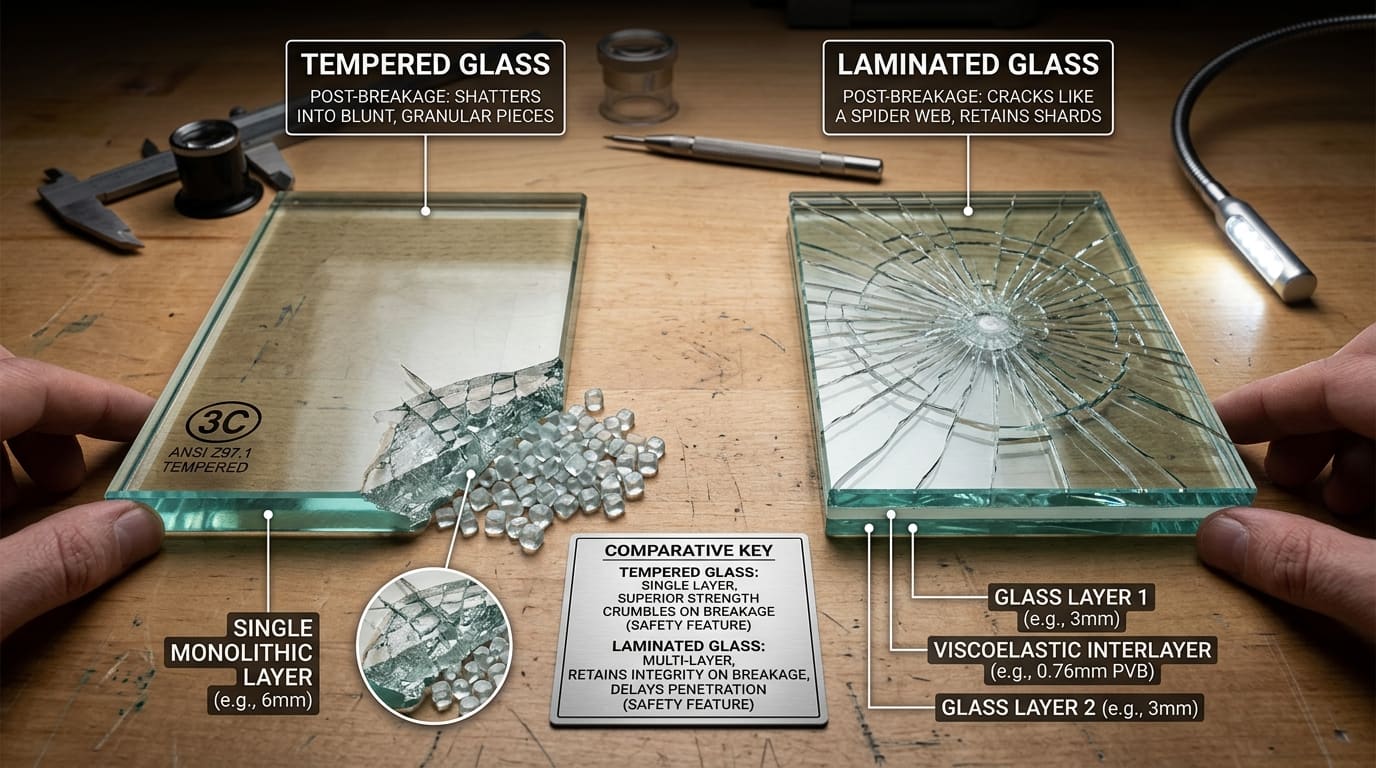
Tempered glass is standard window glass that has been heat-treated to increase its strength. It can withstand temperatures up to approximately 400 to 500 degrees Fahrenheit before thermal stress causes it to fail. Tempered fireplace glass is used in gas fireplaces where the glass is positioned away from direct flame contact and the glass surface temperature stays below its thermal limit. Most factory-built gas fireplaces with sealed combustion chambers use tempered glass doors or panels because the glass surface temperature in these units is designed to stay within the tempered glass operating range.
Ceramic glass (technically a transparent glass-ceramic material, with brand names like NeoCeram, PyroCeram, and Robax) can withstand temperatures exceeding 1300 degrees Fahrenheit — more than double the limit of tempered glass. Ceramic glass is required in wood-burning fireplaces, wood stoves, pellet stoves, and any fireplace where the glass is in close proximity to open flames or direct radiant heat. It is also used in some high-output gas fireplaces and gas inserts where the glass temperature exceeds the tempered glass limit. Ceramic glass has a distinctive property: it has a near-zero coefficient of thermal expansion, meaning it does not expand appreciably when heated, which is why it survives the extreme temperature cycling of fireplace use without cracking.
Gas Fireplace Glass Panels and Doors
Gas fireplaces are the most common fireplace type in DMV homes built or renovated in the last 25 years. Direct-vent gas fireplaces use a sealed glass front that serves multiple critical functions: it seals the combustion chamber from the living space (preventing combustion gases from entering the room), it radiates heat into the room, and it allows a clear view of the flame display. The glass panel in a direct-vent gas fireplace is not optional — it is a safety-critical component that must be maintained in intact condition.
Cracked or chipped gas fireplace glass must be replaced promptly. Even a small crack compromises the sealed combustion chamber, allowing combustion gases (including carbon monoxide) to potentially enter the living space. A damaged glass panel also disrupts the combustion air supply to the burner, which can cause incomplete combustion, sooting, and reduced efficiency. If you notice any crack, chip, or damage to your gas fireplace glass, stop using the fireplace immediately and arrange for glass replacement before resuming operation.
Replacement glass for gas fireplaces must match the original manufacturer's specification exactly — the same glass type (tempered or ceramic), the same thickness, the same dimensions, and the same edge treatment. Many gas fireplace manufacturers use custom-shaped glass panels that are specific to the fireplace model and are available only through authorized parts suppliers. However, some models use standard flat panels that can be fabricated from sheet stock if the exact specifications are known. Our team can identify your fireplace model, determine the correct glass specification, and source or fabricate the replacement panel.
Wood-Burning Fireplace Doors and Glass
Wood-burning fireplaces — including traditional masonry fireplaces, factory-built zero-clearance units, and wood stoves — subject their glass to the most extreme thermal conditions of any residential glass application. Open flames directly impinge on or radiate toward the glass surface, temperatures cycle from room temperature to over 1000 degrees Fahrenheit during a fire, and ash, soot, and creosote deposit on the glass surface. Only ceramic glass is appropriate for wood-burning applications, and the glass must be rated for the specific temperature range of the appliance.
Fireplace doors for masonry wood-burning fireplaces serve important functions beyond aesthetics. When the fireplace is not in use, closed glass doors prevent conditioned room air from escaping up the chimney — a significant energy loss in DMV homes during heating season. When a fire is burning, glass doors (with the combustion air vents open) allow you to enjoy the fire while preventing sparks and embers from entering the room. When the fire is dying down, closing the glass doors and air vents prevents the lingering embers from drawing heated room air up the chimney for hours after the fire has essentially gone out.
Replacement ceramic glass for fireplace doors is available in standard thicknesses (3/16 inch and 1/4 inch) and can be cut to the exact dimensions of the existing door frame. The glass sets into the frame with high-temperature gasket material (typically fiberglass rope or ceramic fiber tape) that accommodates the glass's minimal thermal expansion while maintaining an airtight seal. When replacing fireplace door glass, it is good practice to also replace the gasket material, as it deteriorates over time from heat exposure and loses its sealing effectiveness.
Cleaning and Maintaining Fireplace Glass
Keeping fireplace glass clean improves both the appearance and the heating efficiency of the unit. Soot, creosote, and combustion deposits on the glass absorb radiant heat that would otherwise pass through the glass into the room, reducing the fireplace's heating effectiveness. For gas fireplaces, a white or bluish haze on the interior glass surface is common — this is a mineral deposit from the combustion process that builds up gradually over the heating season.
Cleaning fireplace glass requires the right technique and the right products. Never clean fireplace glass when it is hot — allow the glass and the firebox to cool completely to room temperature before attempting any cleaning. For gas fireplace glass, a commercial fireplace glass cleaner or a paste of baking soda and water applied with a soft cloth effectively removes mineral deposits. Avoid ammonia-based glass cleaners (like standard household window cleaners) on fireplace glass, as ammonia can damage the coatings on some gas fireplace glass panels and can leave residues that discolor when heated.
For wood-burning fireplace glass, creosote and soot are the primary contaminants. Damp newspaper dipped in fine wood ash is a traditional and surprisingly effective cleaning method — the mild abrasive action of the ash removes creosote deposits without scratching the ceramic glass. Commercial creosote removers designed for fireplace glass are also available and effective for heavy deposits. Regular cleaning — after every few fires for wood burners, monthly during the heating season for gas units — prevents deposits from baking onto the glass surface and becoming progressively harder to remove.
When to Replace Fireplace Glass and Safety Considerations
Replace fireplace glass immediately if you observe any crack, chip, or fracture in the panel, no matter how small. A cracked gas fireplace glass panel can leak combustion gases into your home. A cracked ceramic glass panel in a wood-burning fireplace can fail catastrophically under thermal stress, potentially releasing hot fragments, flames, or embers into the room. There is no safe way to operate a fireplace with damaged glass — the risk of carbon monoxide exposure, fire, or burn injury is too significant.
Beyond visible damage, replace fireplace glass if it has become permanently clouded, stained, or discolored to the point that cleaning no longer restores clarity. Heavily hazed glass reduces the radiant heat output and the visual enjoyment of the fireplace. Some discoloration on ceramic glass — a slight amber or brownish tint — is normal after years of use and does not affect safety or performance. But opaque white staining, deep surface etching, or visible delamination indicate that the glass has reached the end of its service life.
When handling fireplace glass, always wear cut-resistant gloves — both tempered and ceramic fireplace glass have sharp edges, and a tempered panel that breaks during handling will shatter completely into small fragments. Never operate a gas fireplace without its glass panel in place. Never use tempered glass as a replacement for ceramic glass. And always verify that the replacement glass matches the manufacturer's specification for your specific fireplace model. Virginia Glass Windows provides fireplace glass replacement throughout Washington DC, Maryland, and Virginia — contact us at (703) 470-7867 to schedule a measurement and replacement for your fireplace glass.
About the Author
Mike Reynolds
Lead Glass Technician & Owner
With over 15 years of experience in window and glass repair across the DC, Maryland, and Virginia area, Mike shares practical expertise to help homeowners and businesses make informed decisions about their glass repair and replacement needs.
Need Help With Your Glass?
Our experts are ready to help with any window or glass issue. Free estimates, same-day service available across DC, MD & VA.
Related Articles
Continue reading about tips & tricks
More Tips & Tricks
View All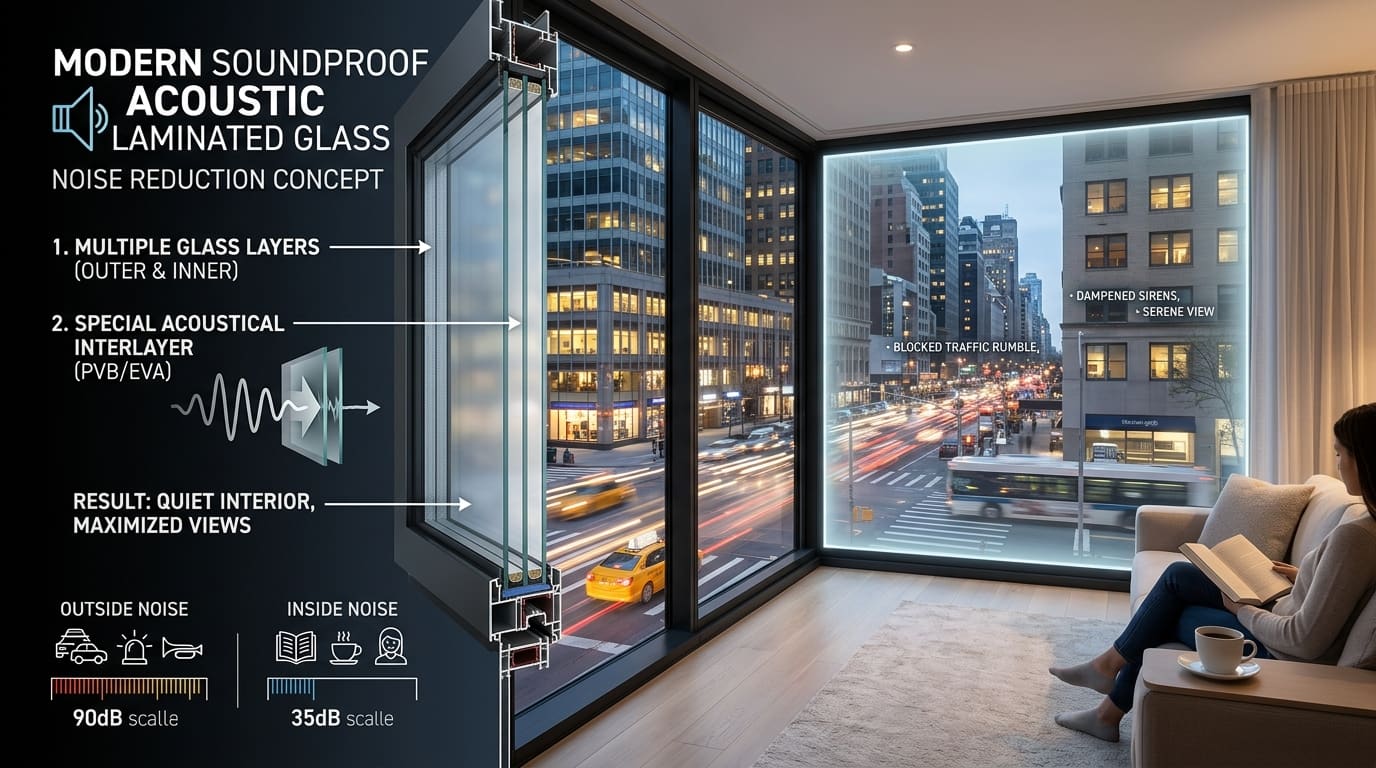
Sound-Reducing Glass for Noisy DMV Locations: Airports, Highways & Metro Lines
7 min read
Preparing Your Home for Window Glass Replacement: A Homeowner's Guide
5 min read
What Causes Window Glass to Crack Without Impact? 7 Common Causes
6 min read
Shower Door Glass: Frameless vs Framed Options for DMV Bathrooms
6 min readExplore More Resources
Helpful Guides
Common Problems
Related Pages
Our Services
24/7 Emergency
Board-Up & Glass
Licensed & Insured
DC, MD & VA
300+ Areas
DMV Coverage
Same-Day Service
When You Need It
Ready to Get Started?
Get a free estimate for any window or glass service across the DMV area.