Glass Safety for Pet Owners: What DMV Dog and Cat Owners Need to Know
Dogs charge at the door. Cats scratch at low windows. Large breeds can crack a patio door with one excited lunge. Here is what glass options actually help — and what the real safety risks are for DMV pet households.
Mike Reynolds
Lead Glass Technician & Owner
In This Article
The Real Glass Risks in Pet Households
I want to start with the scenario I see about twice a year in the DMV — a dog, usually a large breed, launches itself at a patio door or sidelight glass in excitement at a squirrel, a visitor, or another dog walking past the house. In a single-pane door or an older double-pane unit, that impact can shatter the glass. Standard float glass in a framed door breaks into long, sharp shards. Older tempered glass doors fail safely into small pieces, but the failure itself is startling and happens instantly. Either way, you have a broken glass emergency, potentially an injured dog, and a compromised exterior opening that needs immediate attention.
The less dramatic but more common situation is low-level glass damage from pets: cats scratching at screen doors and lower windows, dogs paw-scratching at glass doors while excited, and the cumulative micro-abrasion this creates on softer glass surfaces over time. This does not create safety risks but does affect the clarity and appearance of the glass, and over years it can create surface degradation that catches light unpleasantly and is visible across the room. Understanding which glass surfaces in your home are most vulnerable to this kind of wear is useful if you are doing any glass replacement work.
Impact-Resistant Glass for High-Risk Locations
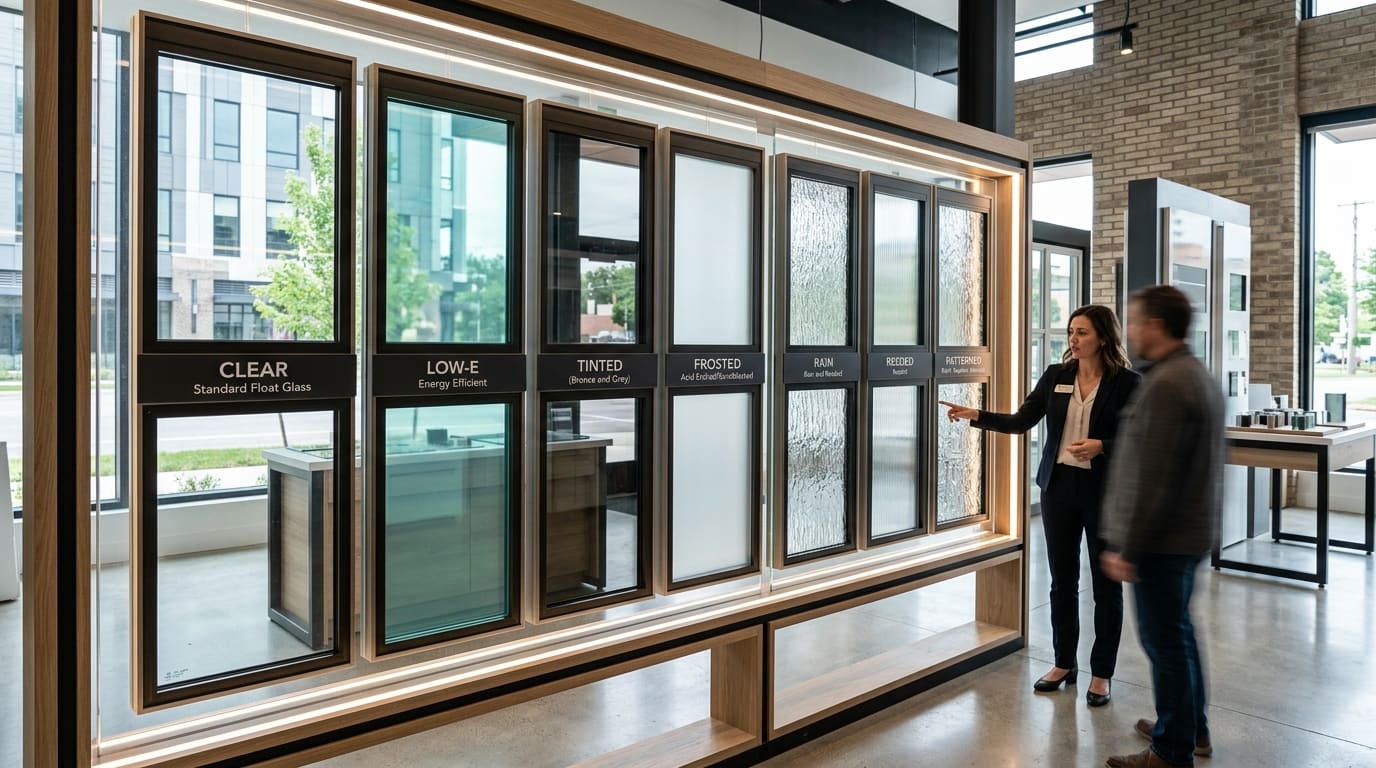
The right glass for pet-impact risk locations — patio doors, sidelights adjacent to entries, full-height windows in dog-accessible rooms — is tempered safety glass at a minimum, and laminated tempered glass for the highest-risk applications. Standard annealed (non-safety) glass should never be in a location where a dog can hit it with force. The long shards from annealed glass failure can cause serious lacerations to a dog's legs and paws, and the failure tends to happen quickly enough that you cannot catch the dog before it runs through the broken opening.
Tempered glass is already required by building code in many of these locations — patio doors, glass within 18 inches of a door opening, glass panels below 18 inches in height. But code compliance does not mean the glass in your existing doors and windows is actually tempered. Homes built before the early 1990s may have non-safety glass in locations that would require safety glass under current codes. If you have a large active dog and you are uncertain about the glass type in your patio doors or lower sidelights, it is worth having us check — we can tell in a few seconds by looking at the glass edge and checking for the safety glass etching.
For the highest-risk applications — a large breed with strong prey drive, a glass panel that gets regular impact from excited dogs — laminated tempered glass is worth considering. Laminated glass, even when it cracks from impact, holds together in the frame rather than falling out. This gives you a broken pane that is still structurally present until you can get it replaced, rather than a sudden open exterior panel. For ground-floor patio doors in Fairfax County, Gaithersburg, or Silver Spring homes with large dogs, I have recommended this upgrade to a number of clients who had already experienced one or two patio door failures.
Scratch Resistance: Cats at Low Windows and Screen Doors
Glass itself is actually quite hard and scratch-resistant — hardness 5.5 to 6 on the Mohs scale, which means cat claws (roughly Mohs 3 to 4 for keratin) cannot scratch the glass surface directly. What cats do damage is the soft coatings on coated glass — Low-E coatings, decorative acid-etched surfaces, and soft-coat sputter coatings applied to the interior glass surface — and the vinyl or aluminum framing around the glass. If you have cats that regularly scratch at sliding glass door frames, the cosmetic damage is to the frame, not the glass, and the fix is either accepting it, applying a protective film to the frame, or replacing the frame sections when they become unsightly.
Screen doors and window screens are a different story. Cats destroy screens efficiently and systematically. Pet-resistant screens with heavier gauge fiberglass mesh (typically 0.040-inch diameter versus 0.013-inch in standard screens) are significantly more durable and worth the upgrade for any opening that cats have access to. We replace a lot of standard screens with pet-grade screens in the spring for exactly this reason. If you are replacing a screen door glass or a broken screen, it is worth specifying pet-grade mesh while the work is being done.
Pet Door Glass Panels: Replacement and Upgrade Options
Pet door inserts for sliding glass doors — the panel that replaces the lower portion of the door opening to accommodate a pet flap — are one of the more common glass replacements we do for pet-owning households. The original glass panel that comes with these insert systems is typically thin single-pane glass that performs poorly thermally and can crack from temperature stress or accidental impact. Upgrading to a dual-pane insulated replacement panel for the surrounding glass area of a pet door insert is straightforward and makes a noticeable difference in winter drafts near the pet door, which is often located at floor level where cold air pooling is most uncomfortable for both pets and humans.
The pet flap itself is outside our scope — we do not supply or install pet door hardware — but if your existing pet door insert has cracked glass surrounding the flap, we can fabricate and install a replacement glass panel to match the existing frame. This is a common repair in DMV homes where the original pet door glass has failed after a few winters of thermal cycling. Call (703) 470-7867 and describe what you have — we can usually give you a phone estimate for a straightforward panel replacement.
Emergency Situations: What to Do When a Pet Breaks Glass
If a dog or cat breaks a window or door pane, the immediate priorities are pet safety, human safety, and securing the opening. Do not let the pet walk through the glass debris — broken tempered glass into small cubes is less dangerous than shards but can still cut paw pads. Confine the pet away from the area before you start cleanup or assessment. For broken patio doors or large window openings, we offer emergency board-up service throughout the DMV — call (703) 470-7867 any time and we can have an opening secured within a few hours. A board-up keeps the interior protected while we schedule the glass replacement, which is typically within one to three business days for standard patio door and window sizes we keep in stock.
About the Author
Mike Reynolds
Lead Glass Technician & Owner
With over 15 years of experience in window and glass repair across the DC, Maryland, and Virginia area, Mike shares practical expertise to help homeowners and businesses make informed decisions about their glass repair and replacement needs.
Need Help With Your Glass?
Our experts are ready to help with any window or glass issue. Free estimates, same-day service available across DC, MD & VA.
Related Articles
Continue reading about tips & tricks
More Tips & Tricks
View All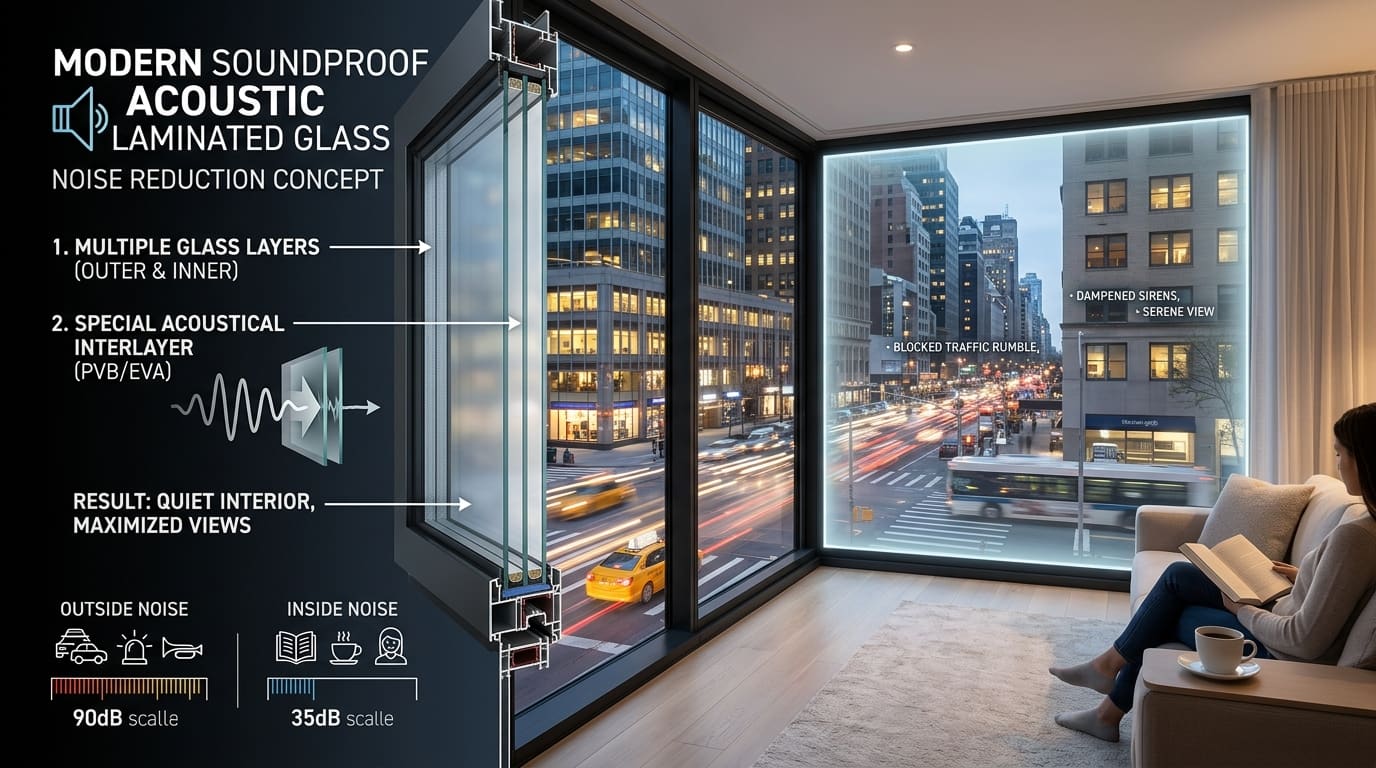
Sound-Reducing Glass for Noisy DMV Locations: Airports, Highways & Metro Lines
7 min read
Preparing Your Home for Window Glass Replacement: A Homeowner's Guide
5 min read
What Causes Window Glass to Crack Without Impact? 7 Common Causes
6 min read
Shower Door Glass: Frameless vs Framed Options for DMV Bathrooms
6 min readExplore More Resources
Helpful Guides
Common Problems
Related Pages
Our Services
24/7 Emergency
Board-Up & Glass
Licensed & Insured
DC, MD & VA
300+ Areas
DMV Coverage
Same-Day Service
When You Need It
Ready to Get Started?
Get a free estimate for any window or glass service across the DMV area.