DMV Glass Care: A Month-by-Month Seasonal Guide for Washington DC, Maryland, and Virginia Homeowners
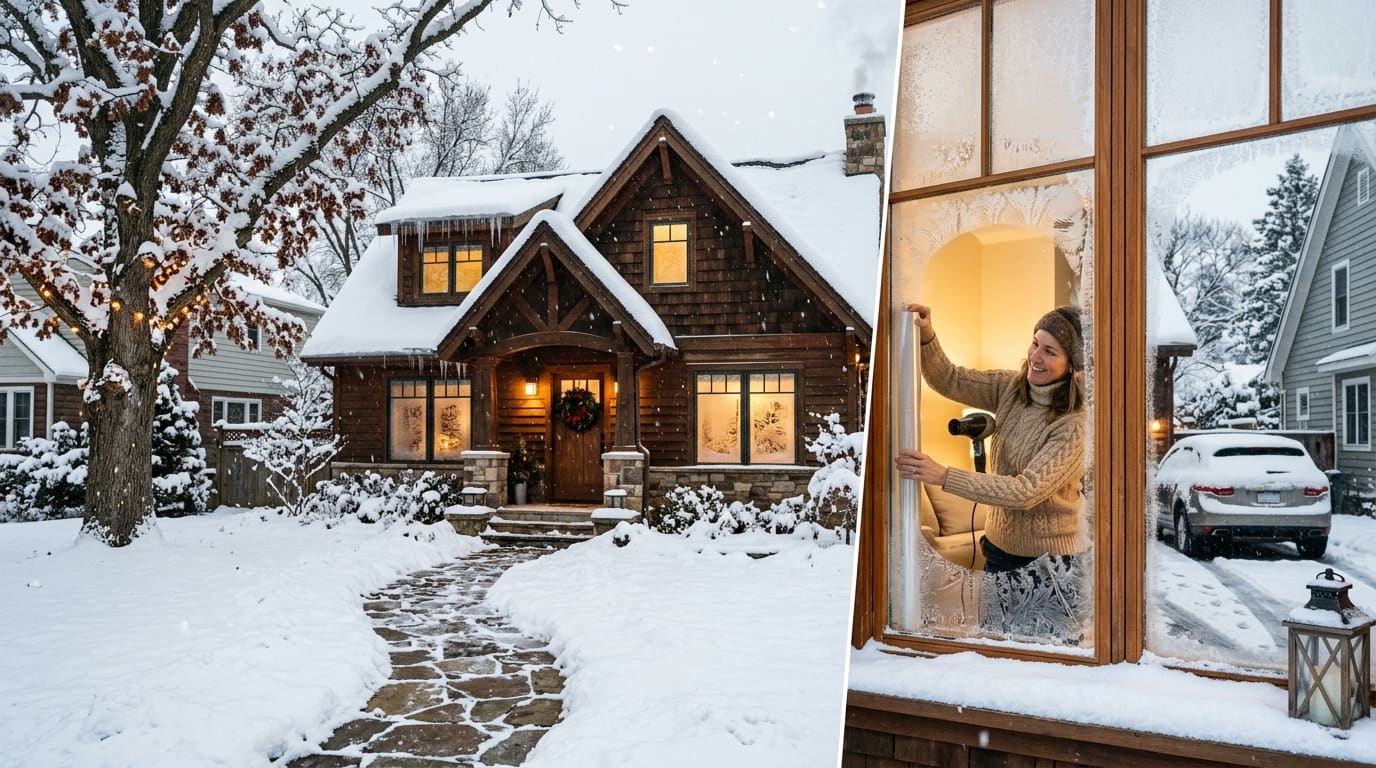
No region in the country puts more varied stress on window glass than the DMV — you get genuine winter cold, brutal summer heat, and ice storms that hit hardest in February and March. Here is what to watch for month by month.
Mike Reynolds
Lead Glass Technician & Owner
In This Article
Why the DMV Climate Is Uniquely Hard on Glass
Glass technicians who have worked in multiple regions consistently note that the DMV is one of the more demanding climates for glass in the country — and not for the obvious reason of extreme cold (Chicago and Minneapolis are colder) or extreme heat (Phoenix and Las Vegas are hotter). The DMV's challenge is the combination of genuine cold winters, hot humid summers, and the violent transitional events in between: the ice storms that hit DC harder than almost anywhere on the East Coast, the tropical moisture systems that roll through in August and September, and the rapid spring temperature swings that create some of the most extreme thermal cycling that glass experiences anywhere. Understanding how each season stresses glass differently is the first step to catching problems early and extending the life of every glass installation on your property.
January–February: Ice Storm Season and the Freeze-Thaw Cycle
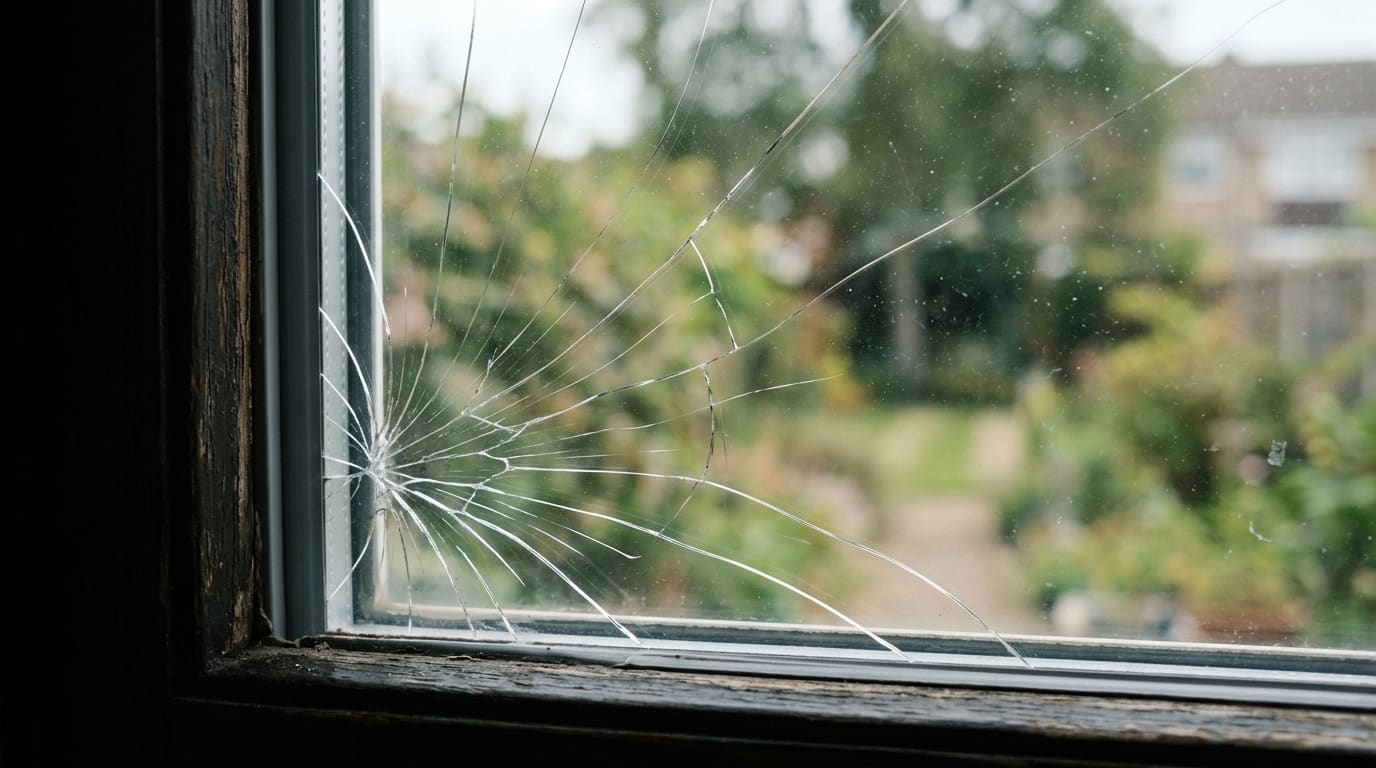
January and February are the months I get more stress crack calls than any other time of year, and the cause in most cases is the freeze-thaw cycling that the DMV climate delivers repeatedly through these months rather than sustained deep freeze. A morning at 12 degrees followed by an afternoon at 42 degrees creates a 30-degree temperature swing across the glass surface in a matter of hours. Glass that has any pre-existing weakness — an edge nick, an old chip, inadequate clearance in the frame — is most likely to crack during these cycles. South-facing and west-facing windows are particularly vulnerable because afternoon sun can warm them dramatically even when the ambient temperature is cold.
Ice storm season deserves special mention for DMV homeowners. The region gets more significant ice storms per decade than anywhere else on the Eastern Seaboard — the geographic position between cold continental air and warm Gulf moisture creates ideal icing conditions. Heavy ice accumulation on window sills, in window channels, and against the glass itself can create forces that stress glass and frame seals. After any significant icing event, it is worth inspecting your lower windows and especially any windows with north-facing or sheltered exposure where ice accumulates without sun to melt it. Do not chip ice mechanically off glass or window frames — use warm water or let it melt naturally. Mechanical ice removal against glass creates exactly the edge stress that initiates cracks.
The other January–February priority is checking weatherstripping and window seals after the first significant cold snap of the season. Hold your hand near each window frame on a cold morning — infiltration that was not noticeable in November becomes very evident at 20 degrees outside. Address any significant infiltration now rather than waiting for spring, because you will be paying for the heat loss every day until you do. For glass seal failures — double-pane fogging — note which ones have appeared and plan for spring replacement when glass fabrication lead times are shorter and weather is more cooperative for installation.
March–April: The Inspection Season
March is when I recommend a thorough annual window inspection for DMV homeowners, specifically because it follows the most stressful season for glass (winter) and precedes the season when any needed repairs can be done most comfortably (spring). March is also the month when many stress cracks that began forming during January and February have propagated far enough to be clearly visible. A crack that was a hairline at the edge in December may have traveled four to six inches by March — still repairable in terms of stabilization, but not for much longer.
The inspection checklist for March: look at every window for new cracks, checking edges and corners first since that is where stress cracks originate. Check all double-pane units for fogging or clouding, which is most visible on a cold morning before the sun has a chance to partially clear it. Check caulking at the exterior perimeter of all window frames — winter freeze-thaw cycles dry out and crack caulking, and any failed caulking should be replaced before spring rains arrive. Look at the glazing compound on any wood-framed windows — dried, cracked, or missing glazing compound is a water intrusion path that needs addressing before the rain season.
April is the right time to schedule any glass replacement or repair work identified in the March inspection. Demand for glass service in the DMV spikes in spring — by May, our scheduling is typically two to three weeks out for non-emergency work. Calling in April means you can often get on the schedule within a week and have everything addressed before the first hot days of May when you want your windows to be performing well. Call (703) 470-7867 in April to schedule spring repair and replacement work.
May–June: Humidity and the Start of Solar Stress
May and June mark the beginning of the DMV's humidity season, which runs through September. High interior humidity — particularly in homes that open windows frequently in May and June before starting air conditioning — can stress double-pane seals and will produce condensation on glass surfaces that is often mistaken for seal failure. If you see moisture on the exterior glass surface in the morning, that is dew and it is normal. If you see moisture between the panes that does not clear by afternoon, that is seal failure. If you see moisture on the interior glass surface in a heavily humid day, that is condensation from room air on the cooler glass surface — not a glass defect, but a signal that your HVAC dehumidification may be working hard.
Solar heat stress on west-facing glass intensifies in May and June as the sun stays high longer in the afternoon. This is the period to add or adjust interior blinds or shading on west-facing windows if summer overheating in those rooms has been a problem in past years. Low-E glass is the permanent solution; shading is the interim one. If you have been considering a Low-E glass upgrade on high-solar-gain windows, June is a good reminder of why, even if the upgrade itself is better scheduled for fall when temperatures are more comfortable for installation work.
July–August: Heat Stress and Storm Preparedness
July and August are the months of maximum solar and thermal stress on DMV window glass. Average high temperatures above 90 degrees, combined with direct sun exposure, can heat glass surface temperatures to 140 to 160 degrees Fahrenheit on south and west facing panes in direct sun. Dark window frames absorb even more heat. The thermal differential between the exposed center of a pane in direct sun and the shaded edge in the frame channel is the driver of stress cracks, and these cracks occur most frequently in July and August for exactly this reason. If you have a south or west facing window that has been showing small edge cracks for a while, the hottest weeks of summer are when those cracks are most likely to propagate.
Late summer also brings the remnants of tropical weather systems through the DMV — August and September can bring high winds, heavy rain, and occasionally significant storm damage to glass. Before major storm events, check that no glass panels in your home are already compromised by cracks — a cracked pane that might last another year under normal conditions can fail completely in 60 mph storm winds. If you have a known cracked window, get it replaced before storm season peak rather than after. And after any significant wind event, walk the perimeter of your property and check all glass at ground level and lower floors for damage — small impacts from storm debris are easy to miss until they become bigger cracks.
September–October: Post-Summer Assessment and Fall Prep
September and October are the second major inspection season of the year — the post-summer damage assessment and the preparation for the upcoming heating season. After the stress of a DMV summer, look for any new cracks on south and west facing glass, check that all window hardware is operating correctly (operational windows that have swollen in summer humidity sometimes need adjustment in fall), and address any remaining seal failures identified in the spring before the heating season makes fogged windows uncomfortable to live with.
October is also the right time to add weatherstripping and re-caulk any exterior frame seals that have deteriorated. Caulking applied in October has time to cure fully before the first hard frosts and will perform through the winter. The classic mistake is addressing weatherstripping and caulking in November when it is already cold — low-temperature caulk application is possible with cold-weather formulations, but room-temperature application in October produces better results. For any glass work — replacement or repair — October scheduling avoids the spring rush and often gets you on the schedule quickly.
November–December: Pre-Winter Prep and Holiday Safety
November is the deadline for addressing anything identified in the fall assessment. Get glass replacements scheduled before the holiday season when everyone is busy and glass suppliers and installers are at their busiest. A fogged double-pane window, a stress crack that has been growing, or a failed seal in a high-heat room should be on the November schedule, not the February one after another hard winter has given it further opportunity to fail completely.
December brings a specific practical concern: holiday decoration and glass. The heat from candles and decorative lighting placed close to window glass creates the same thermal differential as a heating vent — a concentration of heat on one area of the glass while the rest remains cold. Keep candles and heat-producing decorations away from window glass, especially if the glass has any existing chips or stress cracks. The combination of holiday lighting heat stress, the first real cold snaps of December, and any existing glass weakness is a common recipe for December stress crack calls we receive each year. Address your problem windows in November and enjoy December without glass worries. Call us at (703) 470-7867 year-round for assessments, repairs, and replacements throughout the DC, Maryland, and Virginia area.
About the Author
Mike Reynolds
Lead Glass Technician & Owner
With over 15 years of experience in window and glass repair across the DC, Maryland, and Virginia area, Mike shares practical expertise to help homeowners and businesses make informed decisions about their glass repair and replacement needs.
Need Help With Your Glass?
Our experts are ready to help with any window or glass issue. Free estimates, same-day service available across DC, MD & VA.
Related Articles
Continue reading about seasonal

More Seasonal
View All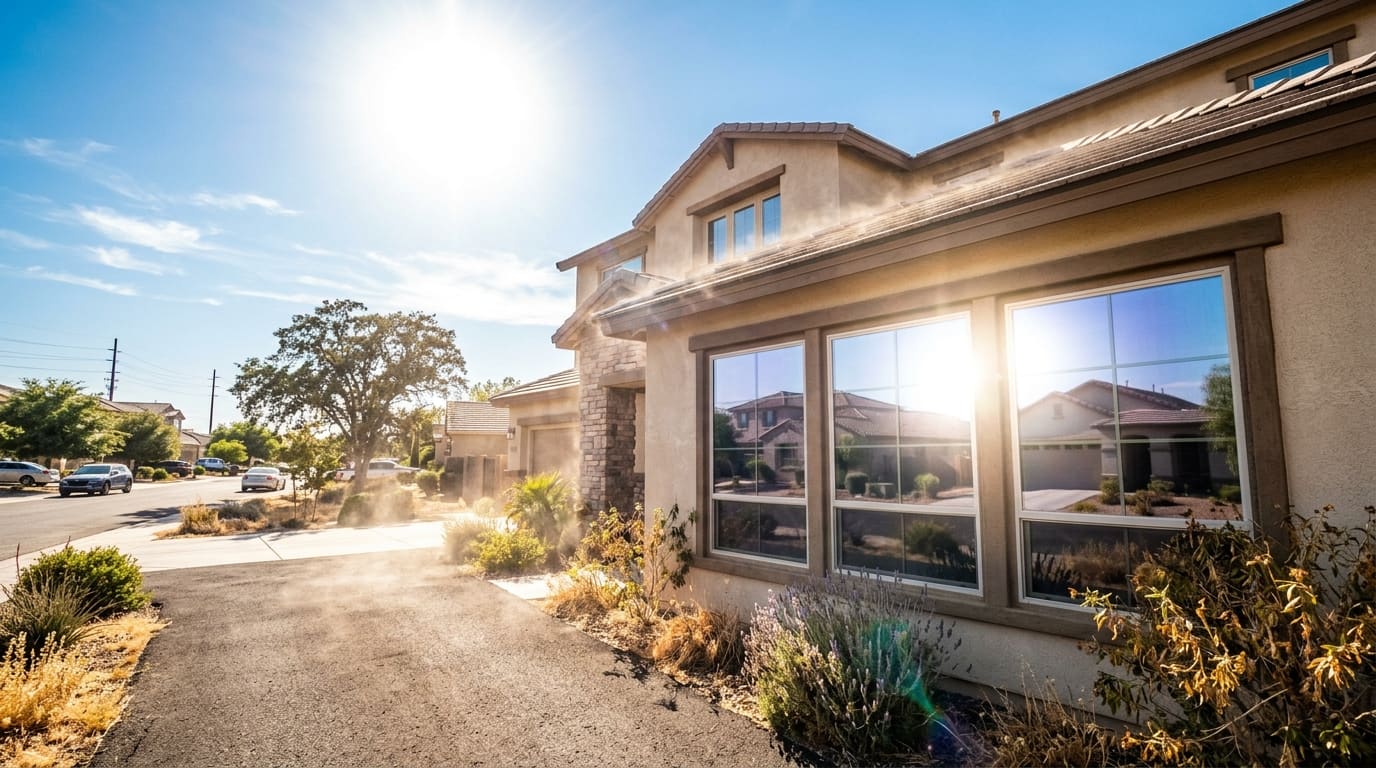
Explore More Resources
Helpful Guides
Common Problems
Related Pages
Our Services
24/7 Emergency
Board-Up & Glass
Licensed & Insured
DC, MD & VA
300+ Areas
DMV Coverage
Same-Day Service
When You Need It
Ready to Get Started?
Get a free estimate for any window or glass service across the DMV area.