How to Winterize Your Windows for the DMV Climate: A Step-by-Step Guide
The DMV gets real winters — not Minnesota winters, but cold enough that uninsulated or poorly sealed windows translate directly into uncomfortable rooms and higher heating bills. Here is how to winterize properly.
Mike Reynolds
Lead Glass Technician & Owner
In This Article
Why DMV Windows Need Winterizing (Even If You Think They Do Not)
Here is something I say to clients all the time: the DMV is not Boston, but it is also not Charlotte. We get genuine cold — extended periods below 20 degrees are not unusual in January and February, and the wind off the Potomac in Georgetown and Foggy Bottom makes the felt temperature worse than the thermometer says. The problem is that a lot of DMV housing stock was not built with aggressive insulation in mind, because the region spent decades thinking of itself as a mild-climate area. Older homes in Bethesda, Takoma Park, Alexandria, and Capitol Hill — the housing stock built in the 1920s through 1960s — often have single-pane windows with dried-out glazing compound and zero weatherstripping. These homes lose heat at a genuinely significant rate on cold DMV nights.
Even homes with double-pane windows can have meaningful air infiltration through failed weatherstripping and deteriorated perimeter caulk. A double-pane unit with good Low-E glass still does nothing about the cold air streaming in around the frame. The glass is not the only thermal boundary — the seal between the frame and the rough opening, and the seal between the sash and the frame, matter just as much for comfort and energy performance.
The good news is that most of the basic winterizing steps are DIY-accessible and inexpensive. The challenging part — failed seals in double-pane units, structural gaps in older window frames, rotted wood that needs replacing before it can be sealed — is where we come in. Let me walk through both.
Step One: Caulk the Exterior Perimeter
The exterior caulk bead where the window frame meets the siding or masonry is the primary barrier against water and air infiltration at the window perimeter. In the DMV climate, this caulk experiences significant seasonal movement as the frame materials expand and contract with temperature changes, and it typically needs attention every five to seven years in wood-frame construction and every eight to ten years in vinyl and aluminum.
For exterior caulking, use a high-quality paintable elastomeric caulk or a urethane sealant — not the cheap white silicone caulk from the two-dollar bin, which does not adhere well to masonry and becomes brittle in cold. Clean the joint with a wire brush, remove the old caulk completely if it is cracked or lifting, and apply the new bead in one continuous stroke. If the joint is wider than 1/4 inch, use a foam backer rod to fill the gap before caulking so you are not applying a thick bead of caulk that will crack from its own expansion and contraction. Late October through early November is the ideal timing in the DMV — before the real cold, when temperatures are still above 40 degrees, which is the minimum application temperature for most exterior caulks.
Inside, check the interior perimeter where the window frame meets the drywall or plaster. In older homes, these joints often have gaps behind the trim that allow cold air from the wall cavity to circulate into the room. You can identify these gaps by holding your hand near the window trim on a cold day and feeling for the slight temperature drop that indicates air movement. Re-caulking or using interior spray foam (the low-expansion variety, important — high-expansion foam can warp window frames) in these joints makes a noticeable difference in older homes.
Step Two: Weatherstripping the Sash
Weatherstripping is the seal between the moving sash and the fixed frame — the rubber, foam, or felt gasket that compresses when the window closes to create an airtight seal. In the DMV, where windows cycle through open in summer and closed in winter, weatherstripping wears predictably and is often the biggest source of cold air infiltration in otherwise decent windows.
The easiest test: close the window on a sheet of paper. If you can pull the paper out without resistance, the weatherstripping at that point is not sealing. For double-hung windows, check both the top and bottom sashes separately. For casement and awning windows, check all four sides of the sash. Vinyl V-strip (tension strip) weatherstripping is the most durable type for high-cycle windows and installs easily in the channels alongside the sash. Foam weatherstripping tape is faster but compresses over time and typically needs replacing every two to three years. For the bottom of the sash, a proper door sweep or compression seal is more effective than foam tape.
Replacing weatherstripping is a genuine DIY project on most standard windows. Where it becomes a professional task is when the frame itself is warped or out of square — a common problem in older DMV homes that have settled over decades. A window that does not close flush to its frame because the frame is twisted needs frame repair or window replacement, not more weatherstripping. We can tell quickly which situation you are dealing with.
Step Three: Interior Insulation Kits (And When to Use Them)
Window insulation film kits — the shrink-wrap plastic film that you tape to the interior window trim and then shrink tight with a hair dryer — are an inexpensive and genuinely effective temporary solution for single-pane windows that are not getting replaced this season. They create an additional dead air layer over the window that adds meaningful insulating value, and on a single-pane window in an older DC rowhouse or a Fairfax County rental, the difference in comfort near the window is noticeable.
I recommend them as a winter measure for single-pane windows that are slated for eventual replacement but where the budget does not allow immediate action. They are not a permanent solution — they are opaque to the view, they must be reinstalled each year, and they do not address air infiltration at the perimeter. But as a temporary measure to get through a winter comfortably, they work. Use the 3M Window Insulator Kit or similar film-and-tape products; avoid the absolute cheapest versions, which tend to wrinkle and look terrible.
For double-pane windows with failed seals (fogging between the panes), insulation film kits are a band-aid that does not address the actual problem. The failed seal means the insulating gas between the panes has dissipated and moisture has entered. The glass unit needs to be replaced to restore proper insulating performance — the film just adds a little back while the underlying problem continues. If you have fogged double-pane windows, winter is a good time to get quotes for replacement, since we have more scheduling flexibility in the cold months and can typically turn around replacements faster.
When to Call a Glass Professional Instead
There are four situations where DIY winterizing stops and professional glass or window work begins. First, failed double-pane seals (foggy glass) — no amount of sealing the perimeter addresses the compromised glass unit itself. Second, cracked glass — a crack that has been stable through the summer can propagate rapidly during the first hard freeze, and a window you are aware is cracked should be replaced before winter rather than after. Third, rotted wood frames — if the wood around the glass is soft, discolored, or flaking, the rot needs to be addressed before new caulk or weatherstripping will hold. Fourth, glass that is drafty despite intact weatherstripping and caulk — this sometimes indicates the glass unit itself is defective or that the sash-to-frame fit has changed due to settling, and an assessment by a glass professional is the right next step.
For all of the above, call us at (703) 470-7867 before the deep cold of January sets in. Getting glass ordered and installed in November and December is much more comfortable than waiting until the wind-chill is in single digits and the window is cracked and drafty. We work year-round, and winter is actually one of our better windows (no pun intended) for scheduling flexibility.
About the Author
Mike Reynolds
Lead Glass Technician & Owner
With over 15 years of experience in window and glass repair across the DC, Maryland, and Virginia area, Mike shares practical expertise to help homeowners and businesses make informed decisions about their glass repair and replacement needs.
Need Help With Your Glass?
Our experts are ready to help with any window or glass issue. Free estimates, same-day service available across DC, MD & VA.
Related Articles
Continue reading about seasonal
More Seasonal
View All
Spring Window Maintenance Checklist for DMV Homeowners
6 min read
Summer Heat & Your Windows: Protecting Glass in DMV Summers
6 min read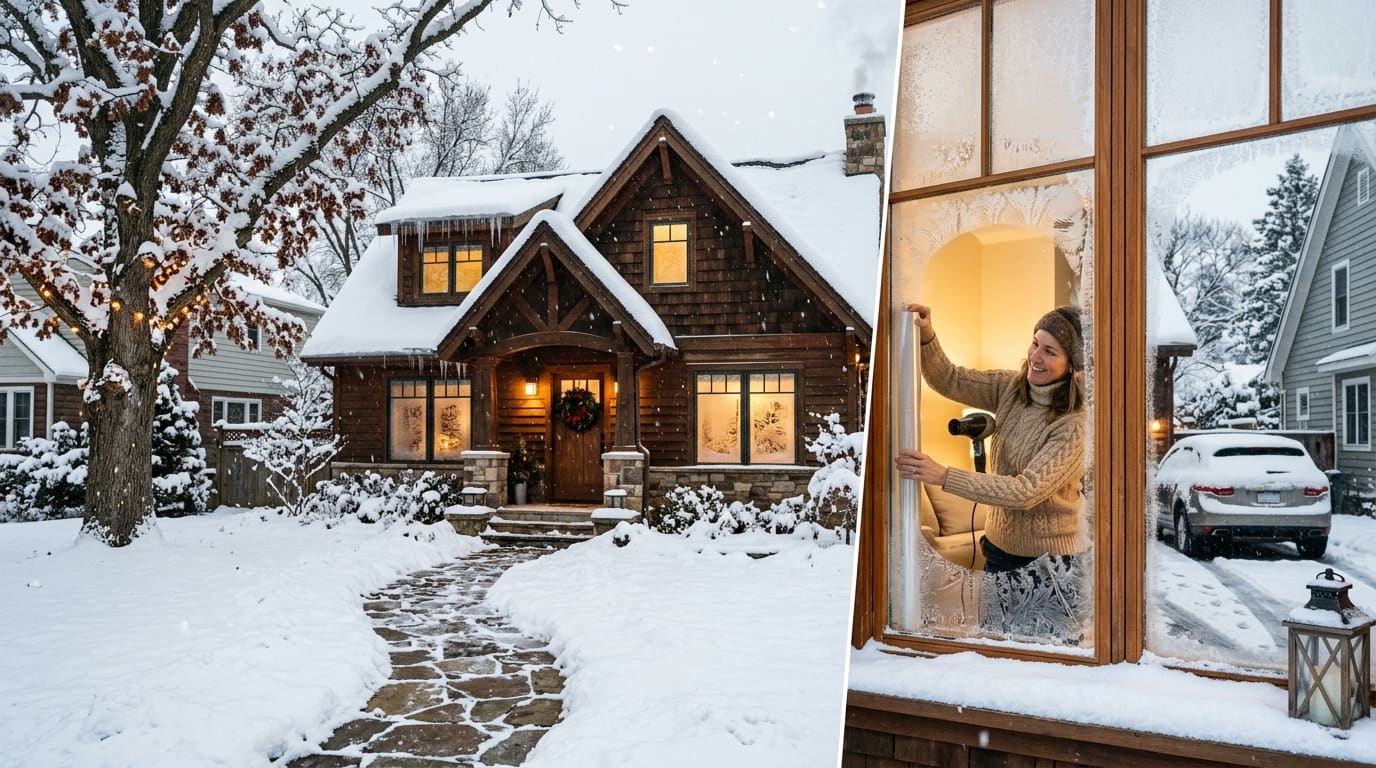
Winter Window Preparation for DMV Homes: Seal, Insulate & Protect
6 min readDMV Glass Care: A Month-by-Month Seasonal Guide for Washington DC, Maryland, and Virginia Homeowners
8 min readExplore More Resources
Helpful Guides
Common Problems
Related Pages
Free Tools
24/7 Emergency
Board-Up & Glass
Licensed & Insured
DC, MD & VA
300+ Areas
DMV Coverage
Same-Day Service
When You Need It
Ready to Get Started?
Get a free estimate for any window or glass service across the DMV area.