Window Glass for Pet Owners: What You Need to Know Before Your Next Repair
Dogs leaning against sliding door glass, cats scratching screens, large breeds bolting toward windows — pets create specific wear patterns that most homeowners do not think about until they are calling for a repair. Here is what we see on service calls in the DMV.
Mike Reynolds
Lead Glass Technician & Owner
In This Article
The Most Common Pet-Related Glass Damage We See
After years of glass repair and replacement work across DC, Maryland, and Virginia, patterns emerge around pet-related damage. The most common is sliding patio door glass that has been stressed or scratched by large dogs — German Shepherds, Labrador Retrievers, Golden Retrievers — that repeatedly launch themselves at the door when excited. The impact forces from a 70-pound dog hitting glass at speed are not trivial. Standard 1/4-inch tempered sliding door glass handles this for years, but micro-fractures accumulate, particularly at the edges where the glass is supported by the frame, and eventually thermal stress or impact produces a failure.
The second most common is cat-related screen damage that leads to homeowners removing screens from windows they leave open — which then leads to direct glass contact from cats trying to access windowsills, and the associated scratching on glass surfaces. Cat scratches on glass are not deep enough to affect structural integrity, but they are visible in raking light and are not repairable — scratched glass must be replaced.
The third category is large-breed dogs going through glass — either crashing through a sidelight panel by a front door, or in rare cases going through sliding door glass in a moment of startled panic. These are emergency situations that require immediate board-up and same-day replacement. We handle several of these a year across the DMV.
Glass Thickness Recommendations for High-Traffic Pet Areas
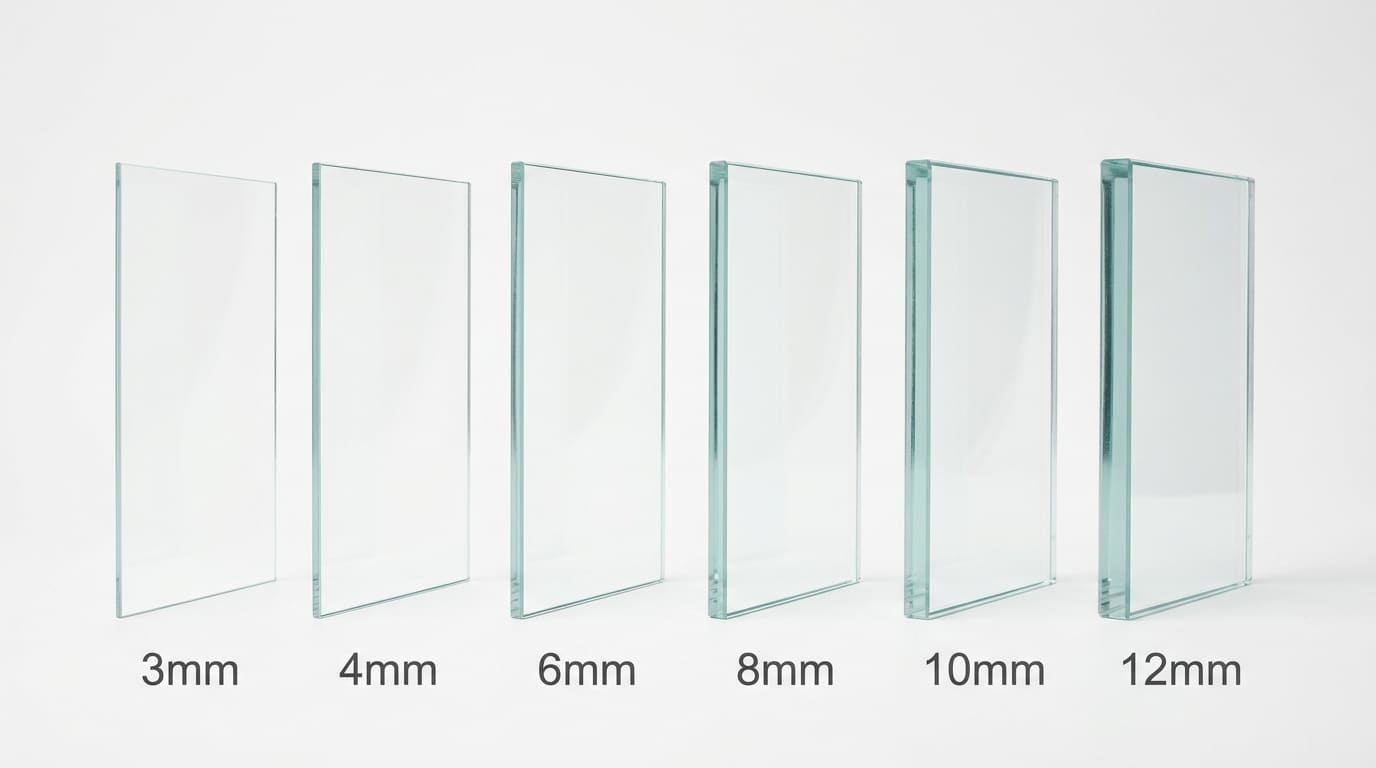
For sliding patio doors in households with large or active dogs, we recommend stepping up from standard 1/4-inch (6mm) tempered glass to 3/8-inch (10mm) tempered glass. The additional thickness adds significant impact resistance — mass matters for both impact and thermal stress resistance — and the cost difference in a standard 8-foot sliding door panel is modest compared to the value of avoiding a replacement cycle.
For sidelights and door glass panels adjacent to front entries — areas where excited dogs may collide with glass while greeting arrivals — tempered glass is mandatory by code in most jurisdictions, but the thickness choice is yours. We recommend 1/4-inch tempered minimum, and 3/8-inch in households with very large or very excitable breeds.
For standard windows at low heights where dogs rest their paws or cats perch on sills, tempered glass is not required by code unless the window falls within the hazardous locations defined by building codes (within 18 inches of the floor or adjacent to a door, for example). However, in households with large dogs, adding tempered glass to windows that see regular impact is a worthwhile upgrade — the main benefit is that tempered glass, when it does fail, breaks into rounded pebbles rather than sharp shards, which is an important safety consideration in households with pets and children.
Scratch-Resistant Glass Coatings
Several glass manufacturers offer scratch-resistant coatings or hardened glass products marketed for high-use applications. These are primarily designed for commercial applications — storefronts, retail display cases, institutional settings — but are available for residential use. The hardened coatings improve scratch resistance relative to standard float glass but are not scratch-proof; they reduce the rate of surface damage rather than eliminating it.
For most pet owner situations, the more practical recommendation is to manage the cause rather than over-specify the glass. Clear scratch guards applied to the lower portion of glass panels in contact with pet activity are an inexpensive solution that protects the glass and is replaceable when scratched. We have seen these work well on sliding doors and low windows in households with cats.
Low-E Coatings and Pets
One question we get from pet owners is whether the Low-E coating on energy-efficient glass is affected by pet contact. The answer is that Low-E coatings in insulated glass units (IGUs) are applied to interior glass surfaces within the sealed unit — the coating is not on the surface you or your pet can touch. The exterior-facing surface of the IGU is plain glass. So normal dog and cat contact with the glass surface does not affect the Low-E coating. If the unit seal fails and the coating becomes exposed, the unit needs replacement regardless — but pet contact is not a risk to the coating in a properly sealed IGU.
Pet Door Glass Inserts
Many pet owners in the DMV use pet door inserts in sliding glass door panels — a replacement panel with a built-in pet flap. These are available in standard patio door sizes and create a convenient solution that avoids a permanent cut into a wall. The glass panels in these inserts are typically thinner than standard patio door glass, and the frame around the pet flap creates additional stress concentration points. We recommend inspecting these panels annually for edge chips and frame seal integrity, and replacing them at the first sign of edge damage rather than waiting for failure.
For homes with large dog breeds, we have seen pet door insert panels fail more quickly than standard sliding door panels because the dogs use the flap repeatedly throughout the day, creating cumulative stress on the panel and frame. A full door replacement with a properly installed through-the-wall pet door is a longer-term solution worth considering if you are going through pet door insert panels on a regular cycle.
After a Pet Goes Through Glass
If a dog or cat goes through a glass panel, the first priority is injury assessment — both for the animal and any people in the area. Glass shards can cause serious lacerations. After ensuring everyone is safe and any injuries are addressed, the immediate priority is safely covering the opening. Do not attempt to remove large glass shards by hand without heavy gloves; board-up is faster and safer. Call us at (703) 470-7867 for emergency board-up and same-day glass replacement across the DMV.
Tempered glass panels, when they fail, break into small rounded pieces rather than large sharp shards — this is the key safety advantage and why pet-adjacent glass should be tempered. If your existing sidelights or patio door panels are not tempered, this is worth verifying before an incident occurs rather than after. We can assess your existing glass and advise on tempering requirements during a free estimate visit.
For all pet-related glass questions or damage, send us photos for a free custom quote. We have seen it all and can recommend the right specification for your household. Call (703) 470-7867 to discuss your situation.
About the Author
Mike Reynolds
Lead Glass Technician & Owner
With over 15 years of experience in window and glass repair across the DC, Maryland, and Virginia area, Mike shares practical expertise to help homeowners and businesses make informed decisions about their glass repair and replacement needs.
Need Help With Your Glass?
Our experts are ready to help with any window or glass issue. Free estimates, same-day service available across DC, MD & VA.
Related Articles
Continue reading about guides
More Guides
View All
How to Tell If Your Window Glass Needs Repair or Replacement
8 min read
Stress Cracks in Windows: Causes, Prevention & Solutions for DMV Homeowners
7 min read
Foggy Windows: Why Double-Pane Seals Fail & What to Do About It
9 min read
Glass Replacement in Historic DMV Homes: Preservation Meets Performance
9 min readExplore More Resources
Helpful Guides
Common Problems
Related Pages
Our Services
24/7 Emergency
Board-Up & Glass
Licensed & Insured
DC, MD & VA
300+ Areas
DMV Coverage
Same-Day Service
When You Need It
Ready to Get Started?
Get a free estimate for any window or glass service across the DMV area.