How to Choose the Right Glass Thickness for Your Windows and Doors
Glass thickness is not one-size-fits-all, and specifying the wrong thickness causes problems ranging from excessive deflection to premature seal failure to inadequate safety performance. Here is how to think about it correctly.
Mike Reynolds
Lead Glass Technician & Owner
In This Article
Why Thickness Matters More Than People Think
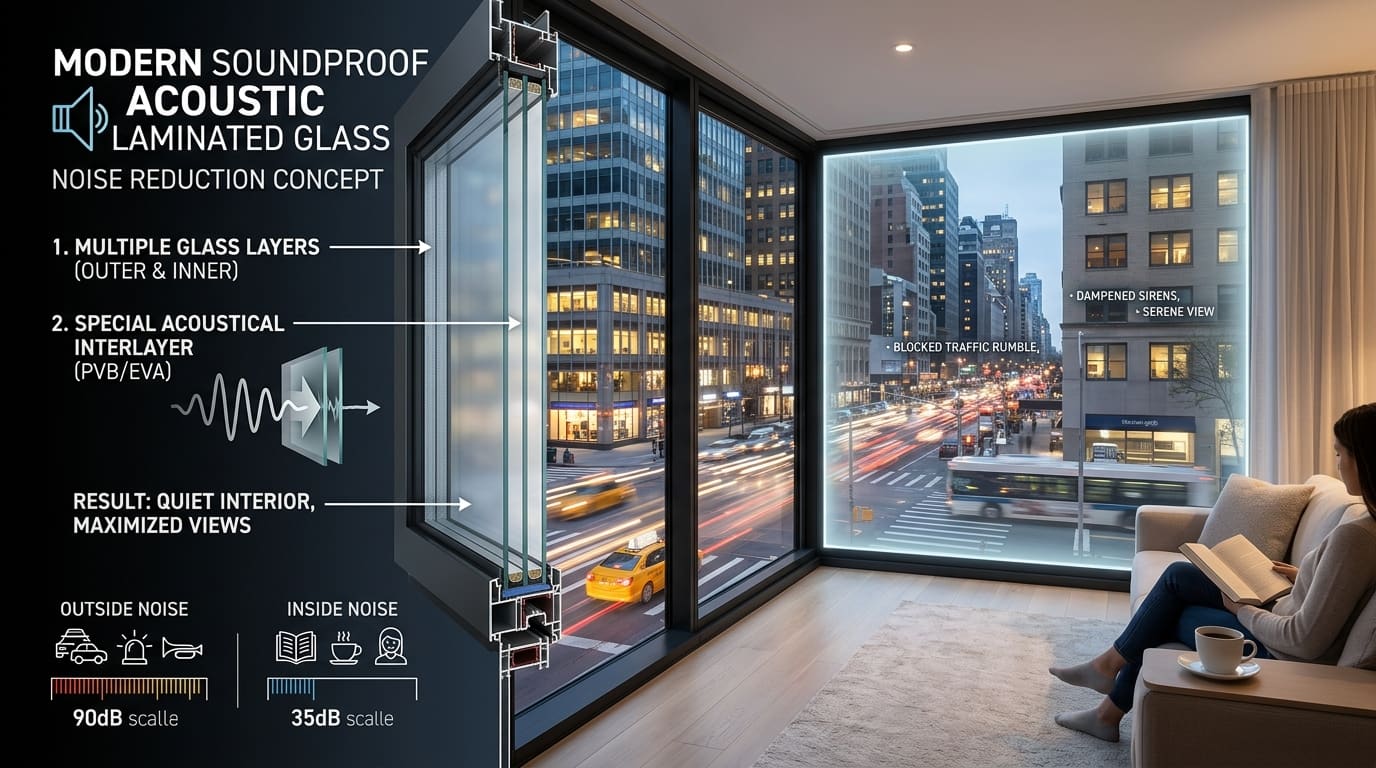
Glass thickness affects multiple performance parameters simultaneously: structural strength and deflection under wind load and pressure, acoustic performance (heavier glass transmits less sound), thermal mass (thicker glass has more mass and responds to temperature changes more slowly), weight and framing requirements, and cost. Getting thickness right means understanding which of these parameters is most critical for the specific application and specifying accordingly — not defaulting to standard thicknesses without thinking about the use case.
In the DMV, wind loading is a real concern. The region gets significant winter storms with sustained winds above 50 mph several times per year, and the occasional nor'easter or remnant tropical system with higher gusts. Inadequately thick glass in large window openings deflects under wind load in ways that stress the edge seals and frame connections, contributing to premature failure. Building codes set minimum glass thickness requirements based on window area and local wind load design pressures, but code minimum is not always the optimal specification for longevity and performance.
Standard Glass Thickness Reference
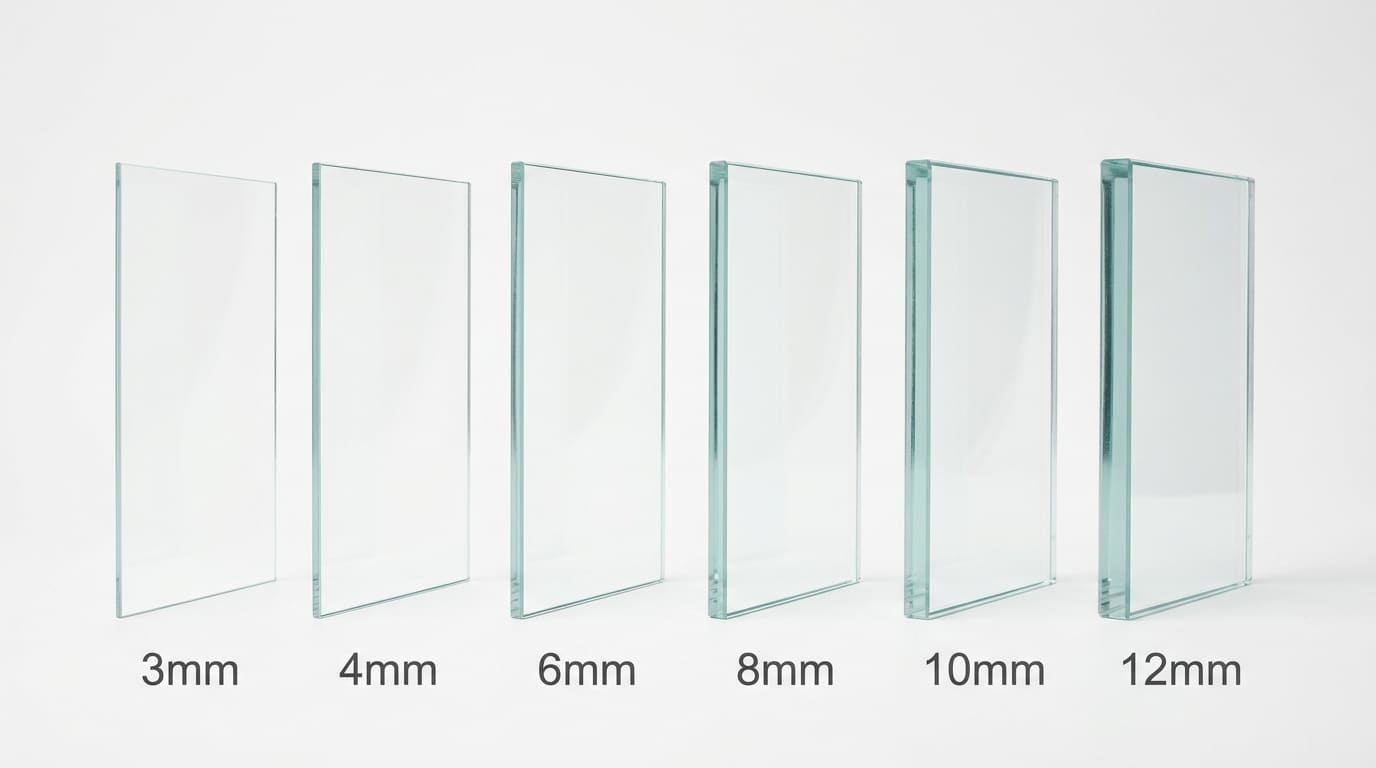
Glass is typically available in the following thicknesses for residential and light commercial applications:
3mm (1/8 inch) — The thinnest practical float glass for window applications. Used in interior applications, small divided lites in historic doors and windows, picture glazing, and cabinet glass. Not appropriate for exterior window applications at most opening sizes.
4mm (5/32 inch) — Common in imported single-pane windows and some smaller IGU applications. Used in storm windows and some decorative applications. Marginally stronger than 3mm but still limited in wind load capacity.
6mm (1/4 inch) — The most common thickness for residential single-pane windows and the standard outer lite for many residential IGU applications. Appropriate for most residential window openings up to approximately 36 x 60 inches under standard wind loads. The baseline thickness for most sliding patio door applications.
8mm (5/16 inch) — Used in larger window openings where 6mm is marginal, in some commercial applications, and as an upgrade over standard 6mm for improved acoustic performance and wind load resistance.
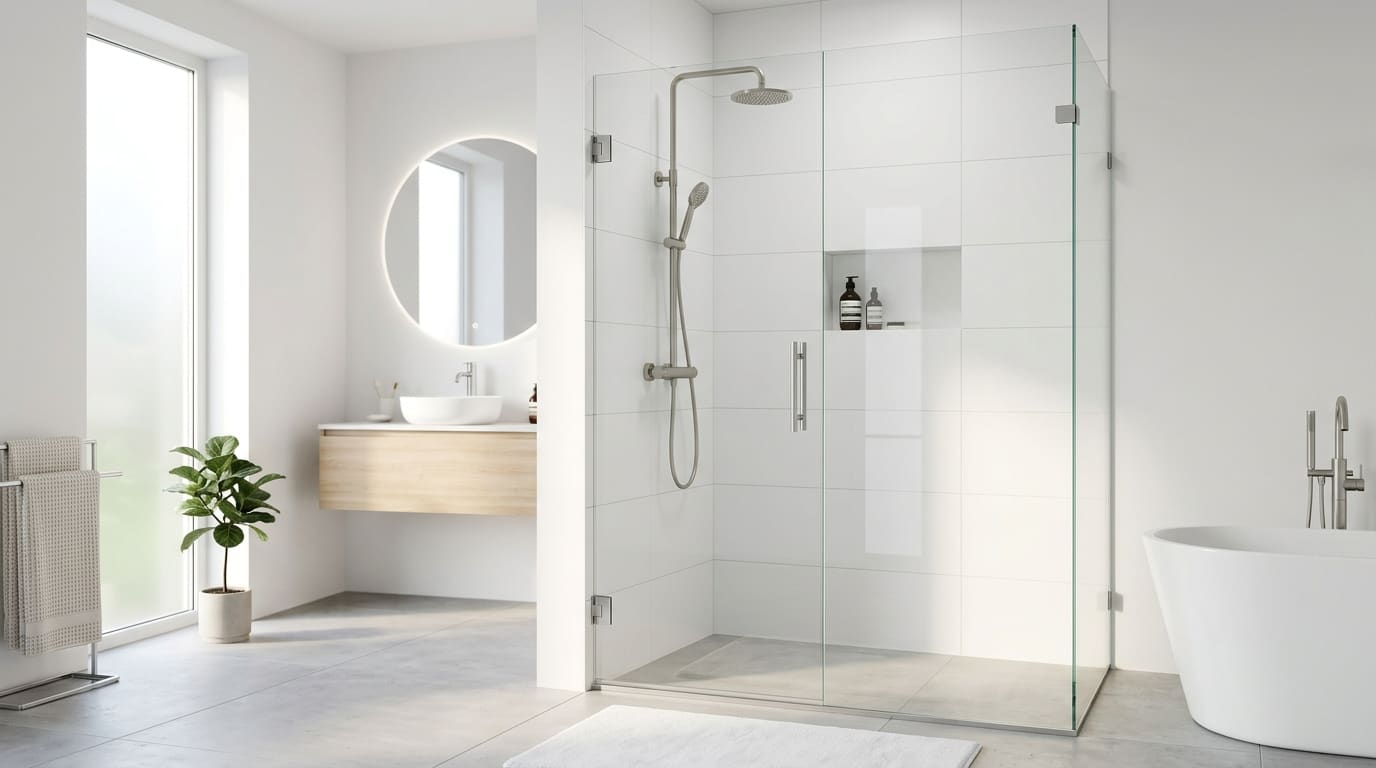
10mm (3/8 inch) — Standard specification for frameless shower doors, larger sliding door panels, commercial storefronts, and any application where a thicker panel improves structural performance. A meaningful acoustic improvement over 6mm. Common for patio doors in houses with heavy use patterns.
12mm (1/2 inch) — Used in large frameless shower panels, commercial entry doors, large architectural glass, and specialty applications requiring high structural performance. Significantly heavier than 10mm and requires frame hardware rated for the additional weight.
19mm (3/4 inch) and thicker — Structural glass applications: glass floors, glass staircases, large commercial facades, glass partition systems. Requires specialized engineering and installation.
Residential Window Applications
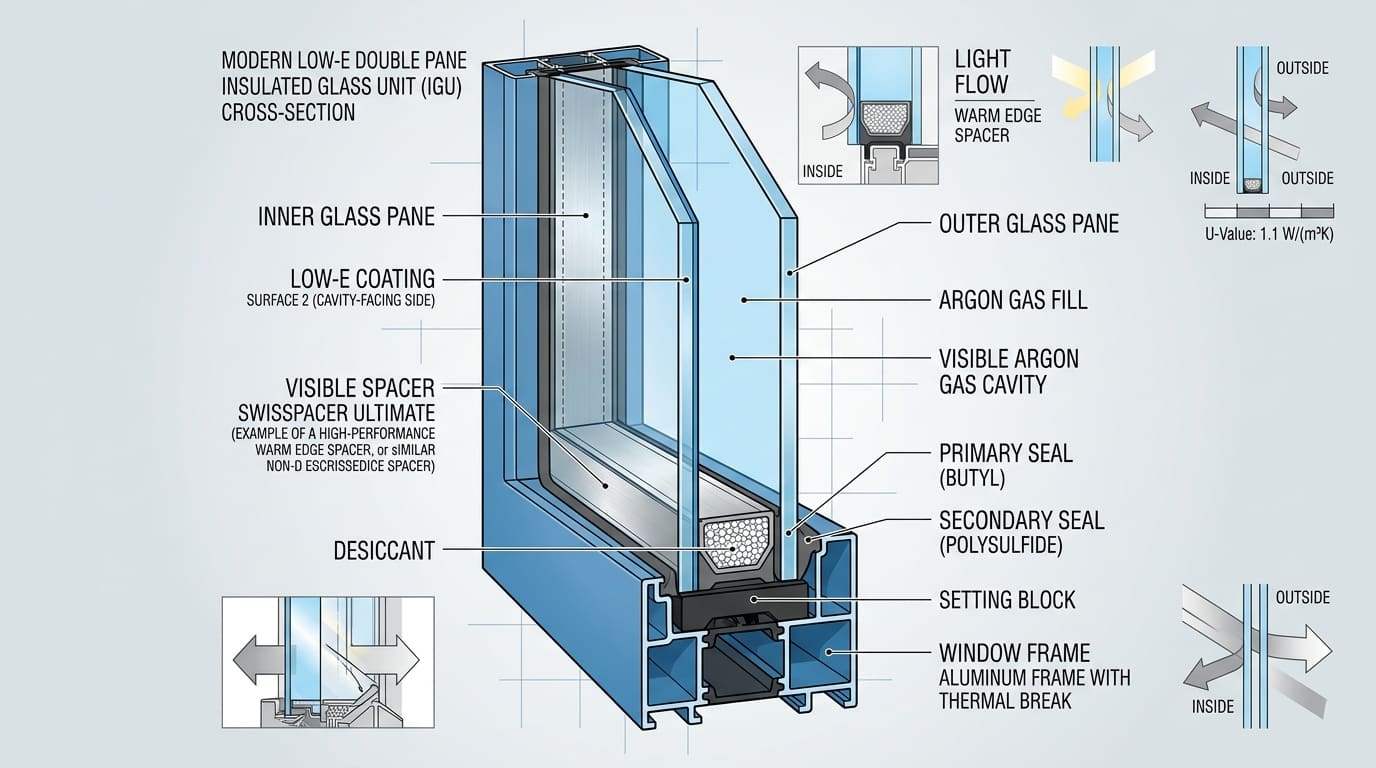
For standard residential double-hung, casement, awning, and fixed windows in the DMV, the typical IGU specifications are:
Small to medium openings (up to 30 x 48 inches): 1/8-inch (3mm) outer lite + 1/4-inch (6mm) inner lite in a 1-inch total unit, or two 1/4-inch lites in a standard 7/8-inch unit, are common. The unit selection is primarily driven by the frame system design rather than structural glass thickness for these sizes.
Medium to large openings (30 x 48 to 48 x 72 inches): Two 1/4-inch lites in a standard unit is the baseline. Consider 5/16-inch or 3/8-inch outer lite for the larger end of this range in exposed locations with higher wind design pressures — corner locations, upper-story windows on exposed facades, or homes in elevated terrain like the falls in Great Falls, McLean, and parts of Northwest DC.
Large openings above 48 x 72 inches: Thickness selection should follow the glass thickness selection chart from ASTM E1300, the standard for glass thickness design. For large fixed lites in contemporary DMV homes with floor-to-ceiling glass walls, engineering input is appropriate and sometimes required by the structural design.
Patio and Sliding Door Glass
Standard residential sliding patio doors (8 feet wide, 6 feet 8 inches tall) are typically glazed with 1/4-inch (6mm) tempered glass. This is code-compliant and functional for most applications. For households with large dogs (as discussed in our pet owners window guide), heavy use patterns, or homes in exposed locations, 3/8-inch (10mm) tempered glass is a meaningful upgrade — substantially more resistant to impact and deflection, and noticeably more solid-feeling for a door that is used dozens of times per day.
French patio doors — hinged rather than sliding — are typically glazed with 1/4-inch tempered glass in divided-lite configurations or with 1/4-inch IGU in SDL configurations. The glass thickness for hinged door panels is constrained by the door sash dimensions and the glazing bead system; confirm with the door manufacturer or installer before specifying glass thickness changes from the original design.
Commercial Storefront Glass
Commercial storefront glass in the DC area is typically specified by the glazing system designer (architect or facade engineer) and must meet the wind load requirements for the specific building and location. The minimum specification for commercial storefront glass in most DMV jurisdictions is 1/4-inch (6mm) tempered for small opening sizes, with engineered selection for larger openings. High-traffic commercial locations — retail storefronts in Georgetown, Bethesda Row, Clarendon, and downtown DC — sometimes specify 3/8-inch glass for additional robustness against vandalism and casual impact.
For security-enhanced commercial applications, laminated glass (often 1/4-inch + interlayer + 1/4-inch, creating a 9/16-inch total thickness in a single-lite application) provides impact resistance well beyond standard tempered glass and is a consideration for storefronts in higher-crime commercial corridors.
For glass thickness selection assistance for any window, door, shower, or commercial application in DC, Maryland, or Virginia, send photos and dimensions for a free custom quote and specification recommendation. We help clients navigate these decisions every day. Call (703) 470-7867 with specific questions about your application.
About the Author
Mike Reynolds
Lead Glass Technician & Owner
With over 15 years of experience in window and glass repair across the DC, Maryland, and Virginia area, Mike shares practical expertise to help homeowners and businesses make informed decisions about their glass repair and replacement needs.
Need Help With Your Glass?
Our experts are ready to help with any window or glass issue. Free estimates, same-day service available across DC, MD & VA.
Related Articles
Continue reading about guides
More Guides
View All
How to Tell If Your Window Glass Needs Repair or Replacement
8 min read
Stress Cracks in Windows: Causes, Prevention & Solutions for DMV Homeowners
7 min read
Foggy Windows: Why Double-Pane Seals Fail & What to Do About It
9 min read
Glass Replacement in Historic DMV Homes: Preservation Meets Performance
9 min readExplore More Resources
Helpful Guides
Common Problems
Related Pages
Our Services
24/7 Emergency
Board-Up & Glass
Licensed & Insured
DC, MD & VA
300+ Areas
DMV Coverage
Same-Day Service
When You Need It
Ready to Get Started?
Get a free estimate for any window or glass service across the DMV area.