
7 Signs You Need Window Glass Replacement (Don't Ignore #3)
Some window glass problems look minor but indicate serious underlying failures. Know these 7 warning signs before a small issue becomes an expensive emergency in your DMV home.
Mike Reynolds
Lead Glass Technician & Owner
In This Article
Why Acting Early Matters
Window glass problems almost always start small and get worse. A hairline crack grows with every temperature cycle until the pane fails completely. A slightly foggy IGU with residual desiccant capacity becomes fully saturated fog, then permanent mineral staining on the interior glass surface. Early action is almost always less expensive and less disruptive than waiting until the problem forces your hand. Here are the seven warning signs Virginia Glass Windows sees most often — and what each one means for your specific situation.
Sign 1: Visible Cracks, Chips, or Impact Damage
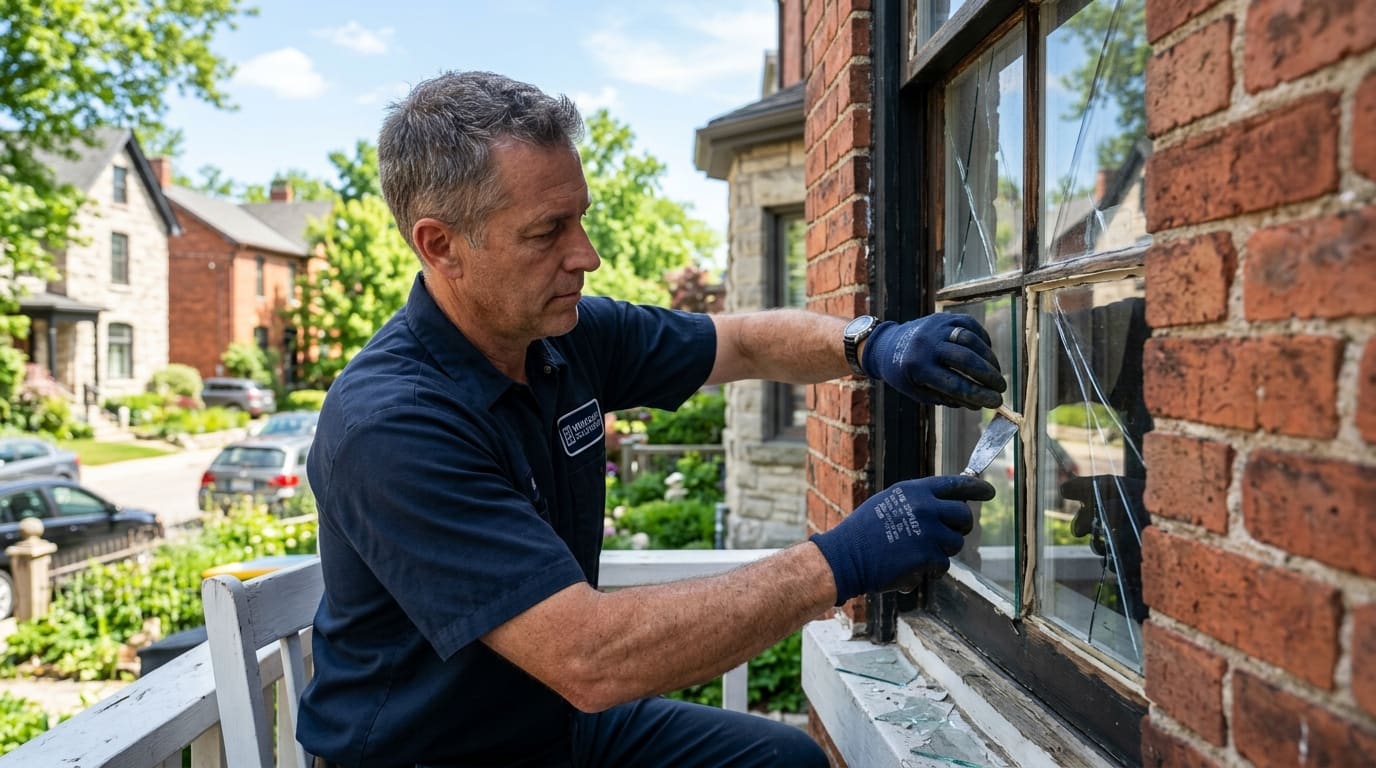
This is the most obvious sign and the one most homeowners act on quickly. Any crack that extends more than a few inches, any chip that has allowed the glass to begin peeling or separating, and any spider-web impact pattern that has weakened the structural integrity of the pane needs prompt replacement. Cracked glass is a safety hazard — it can fail suddenly and unexpectedly, particularly with temperature changes. In the DMV area, a crack that survives a mild fall day may fail suddenly when the first hard frost causes the glass to contract sharply.
Important: cracks in tempered safety glass (required in doors, sidelights, and low windows) cannot be repaired. When tempered glass cracks, it needs immediate replacement because the structural compromise makes sudden total shattering likely.
Sign 2: Persistent Fog or Condensation Between Panes
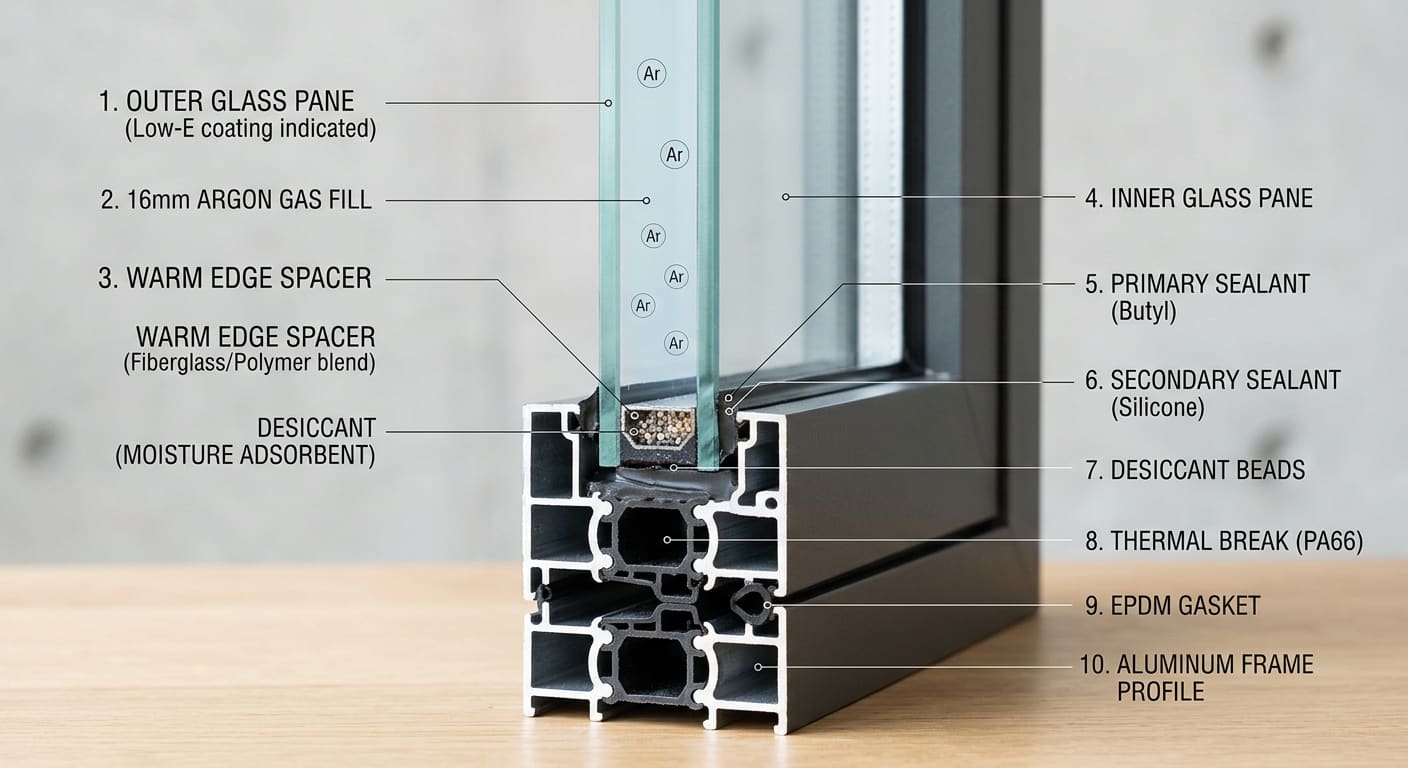
Condensation or fog that appears between the two panes of a double-pane window and cannot be wiped off from either side is the unmistakable sign of IGU seal failure. This is not a cleaning problem. The hermetic seal has failed, outside air is infiltrating the cavity, and the insulating gas fill has been replaced by moisture-laden air. The window has lost a significant portion of its thermal performance even if the fog is not yet constant.
Do not defer this repair. Once the desiccant in the spacer saturates completely, moisture deposits minerals onto the interior glass surfaces, creating permanent staining that no cleaning or defogging treatment can remove. Replace the IGU while the glass surface is still recoverable.
Sign 3: Drafts or Cold Spots Near Intact Windows (Don't Ignore This One)
This is the sign homeowners most often attribute to other causes and defer longest — to their detriment. If you feel a noticeable draft or cold spot near a window where the glass appears intact and the weatherstripping looks okay, the glass seal may have failed without any visible fogging. Gas-filled IGUs that have lost their argon fill are thermally compromised even when they appear clear. The argon has leaked out over years through micro-cracks in the seal, and the insulating cavity is now air-filled — with thermal resistance that is 15 to 20 percent lower than the window had with full argon fill.
In winter, failed IGUs in Northern Virginia, Maryland, and DC create cold-wall effect in the adjacent room — the glass surface is cold enough to cool air near it, creating convective drafts that make the room feel colder than the thermostat reads. High heating bills with no apparent explanation are sometimes traceable to multiple IGUs with failed gas fills that look clear but are thermally underperforming. A professional glass inspection identifies these invisible failures.
Sign 4: Condensation on the Interior Glass Surface in Winter
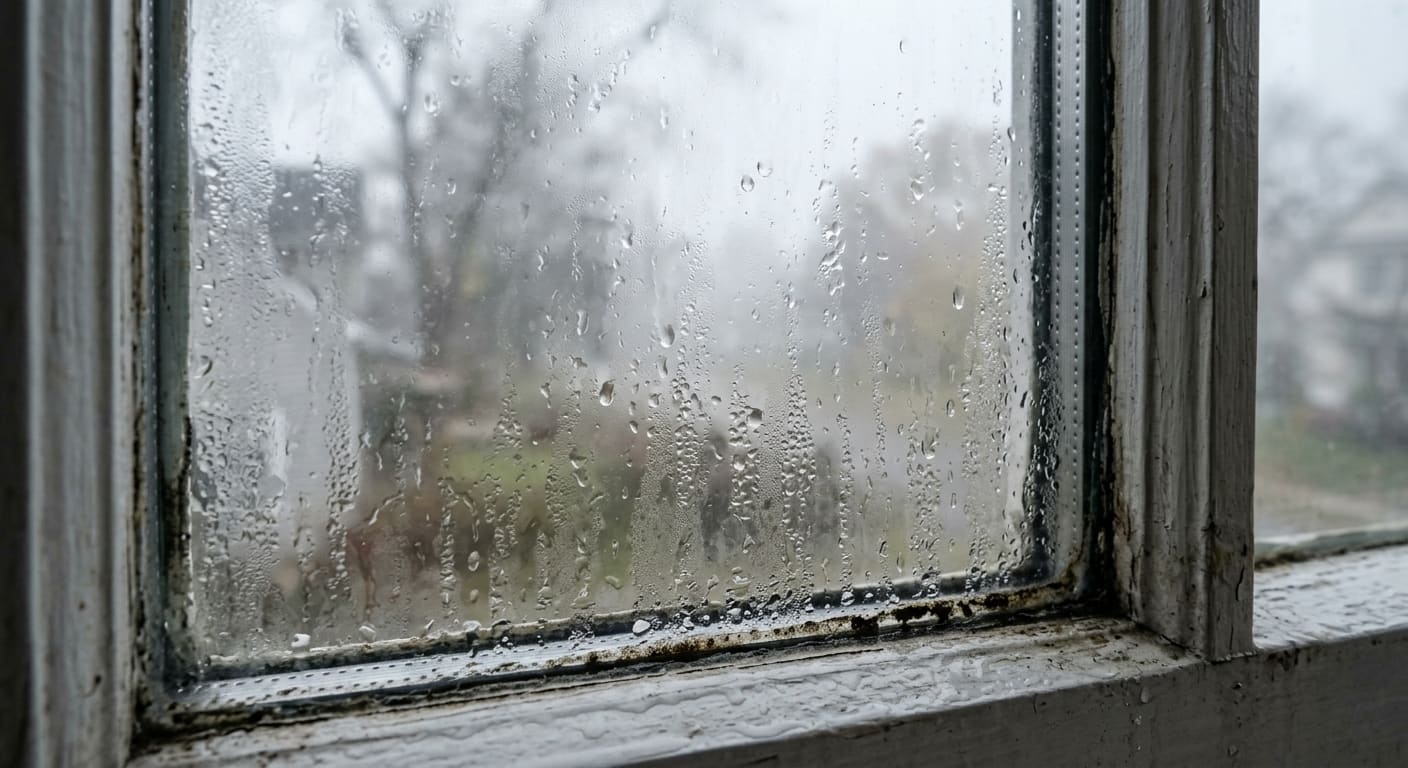
Some condensation on windows in winter is normal — it is the same phenomenon as a cold drink sweating in humidity. But excessive condensation that forms on the interior glass surface at temperatures that should not produce it, or that drips and pools on the window sill, indicates the glass is colder than it should be — which means the window is not providing its rated insulation. Single-pane glass in the DMV area will condense heavily in cold weather; double-pane glass should not unless the IGU seal has failed or the gas fill has been compromised.
Repeated condensation that drips onto a wood window sill or soaks into the surrounding drywall creates moisture damage that compounds over time — wood rot, mold growth, and paint failure. Addressing the glass performance issue stops the moisture cycle and prevents these secondary damages.
Sign 5: Noticeably Higher Energy Bills
If your heating and cooling costs have increased without a corresponding change in your household size, thermostat settings, or equipment, deteriorating window glass performance may be contributing. Single-pane glass in original wood-frame windows loses enormous amounts of heat in winter; failed double-pane IGUs perform closer to single-pane than to their designed specification. In a DMV home with multiple aging windows, the cumulative energy loss is meaningful on every utility bill.
This sign rarely points to a single obvious window — it reflects a general state of window glass performance across the home. A professional assessment of your window glass condition across all windows, with specific attention to IGU seal status and glass specification, can identify where the energy losses are concentrated and prioritize replacements for maximum impact.
Sign 6: Visible Damage to the Glass Perimeter or Frame
Damage that appears to be "just the frame" often signals problems with the glass that follow or accompany the frame issue. Rotted wood at the glazing line allows moisture to contact the glass perimeter seal, dramatically accelerating IGU seal failure. Failed glazing compound on single-pane windows allows water infiltration behind the glass that rots the frame and creates conditions for glass movement and cracking. Corrosion at the metal frame-to-glass interface in aluminum frame windows can trap moisture against the glass edge, initiating stress cracking.
When you address a frame problem and the adjacent glass is at or near end of life, replacing both at the same time avoids reopening the same window twice within a few years. Our technicians evaluate both glass and frame condition at every service call and advise you honestly about what makes sense to address together.
Sign 7: Your Windows Are More Than 20–25 Years Old
Double-pane IGUs have a designed service life of 15 to 25 years under typical conditions. In the DMV climate — with its demanding seasonal temperature swings and aggressive thermal cycling — many IGUs reach the end of their seal life on the earlier end of this range, particularly on south-facing and west-facing windows. If your home's windows were installed in the late 1990s or early 2000s and you have not replaced any of the original glass, many of your IGUs are now at or past their designed service life.
Proactive replacement of original glass before it fails visibly avoids emergency situations and allows you to plan the project on your schedule. It also allows you to upgrade the glass specifications — from original clear glass to modern Low-E argon — at the same time, improving both energy performance and comfort across the home.
If your windows show any of these signs, use our free photo estimate service to get a same-day assessment and quote. Virginia Glass Windows serves all of Washington DC, Northern Virginia, and Maryland — call (703) 470-7867 for an immediate consultation with a licensed glass professional.
About the Author
Mike Reynolds
Lead Glass Technician & Owner
With over 15 years of experience in window and glass repair across the DC, Maryland, and Virginia area, Mike shares practical expertise to help homeowners and businesses make informed decisions about their glass repair and replacement needs.
Need Help With Your Glass?
Our experts are ready to help with any window or glass issue. Free estimates, same-day service available across DC, MD & VA.
More Articles
View All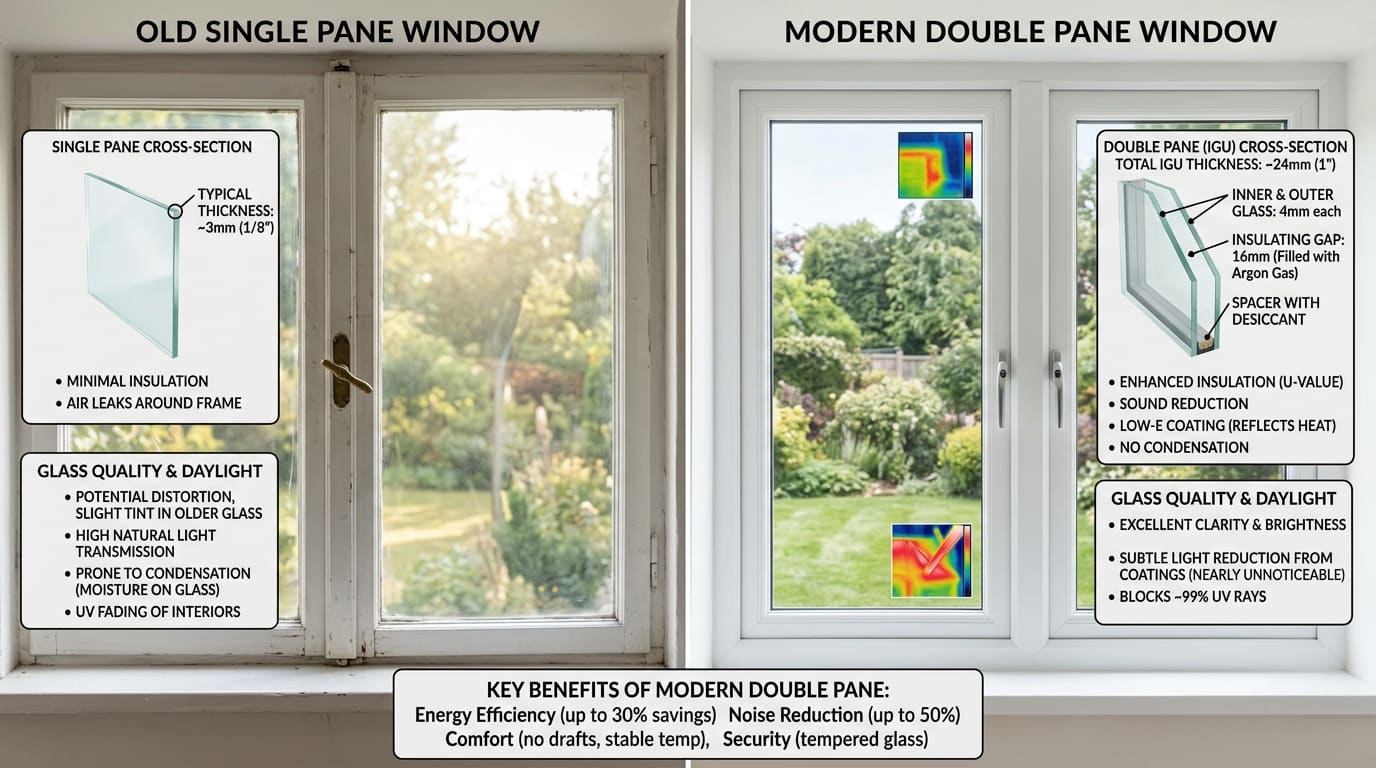
Basement Egress Window Glass Options: Codes, Safety, and Below-Grade Performance
8 min read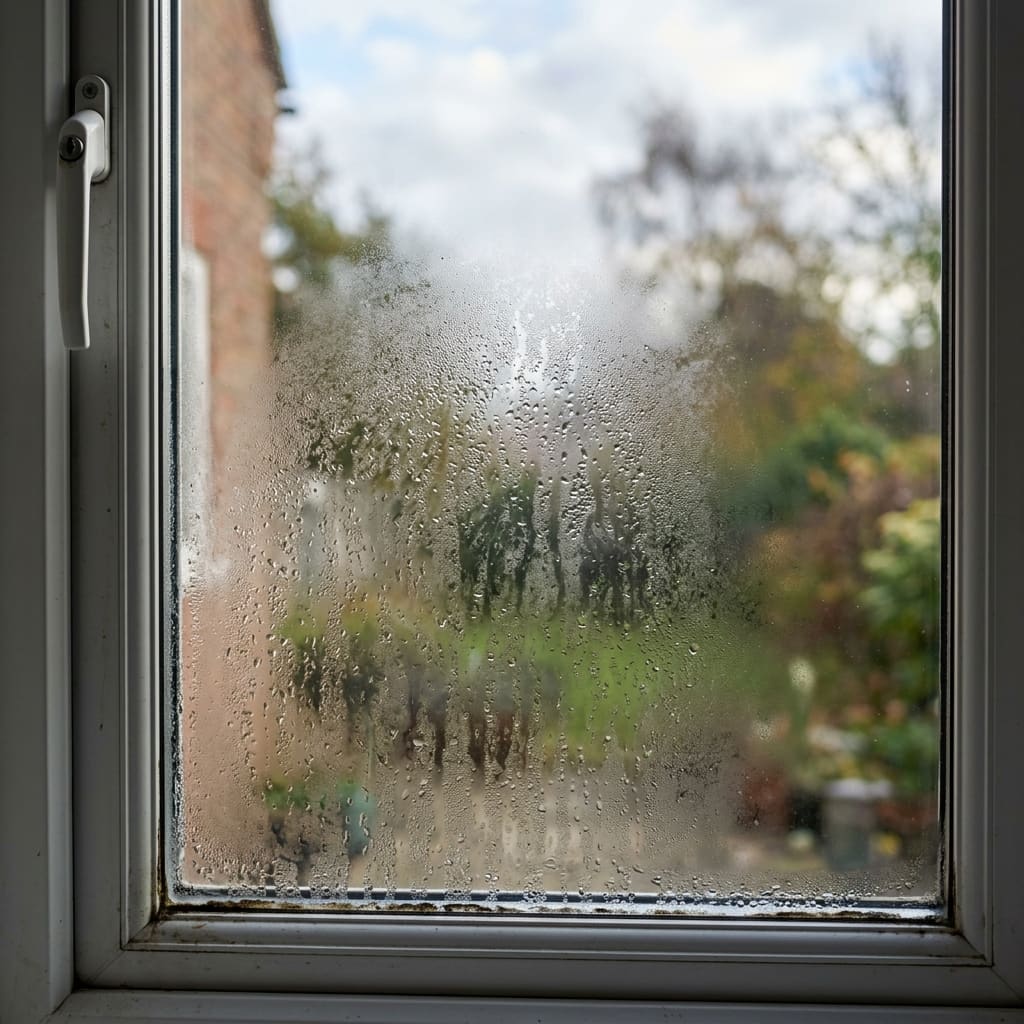
Condensation Between Window Panes: Why It Happens and What Actually Fixes It
9 min read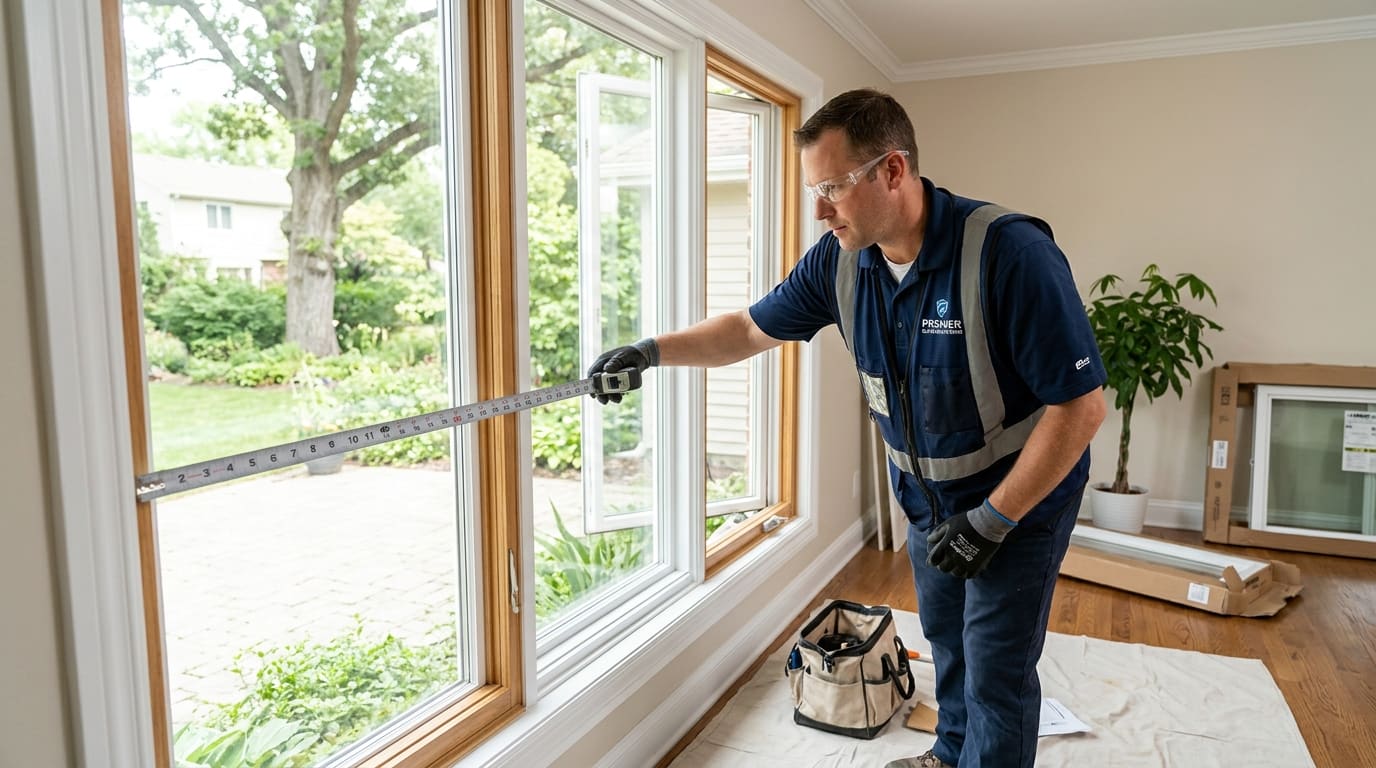
Replacing Glass in Aluminum Frame Windows: Challenges, Methods, and When to Upgrade
8 min read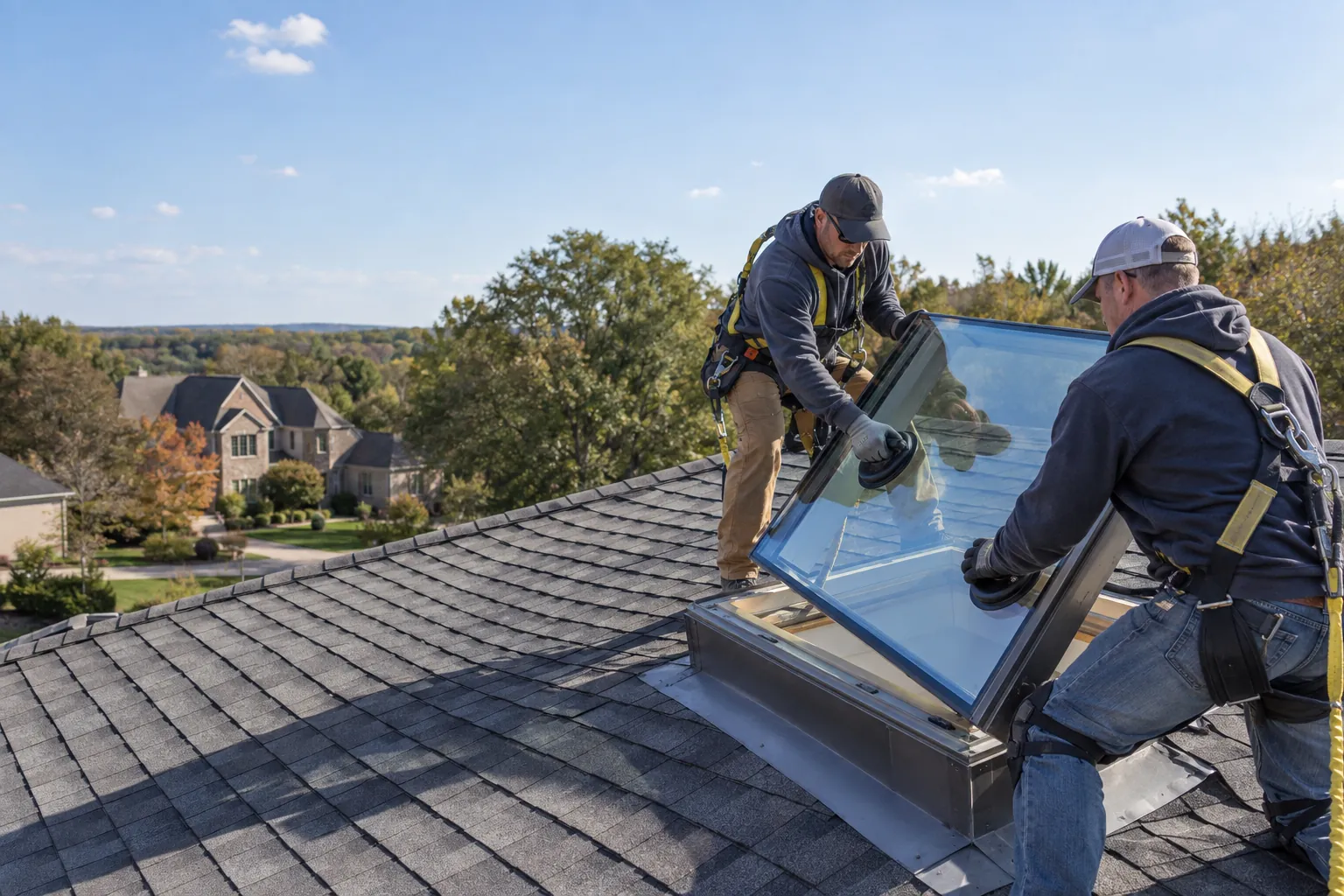
Cathedral Ceiling and Clerestory Window Glass: The Unique Challenges and Solutions
8 min readExplore More Resources
Helpful Guides
Common Problems
Related Pages
Our Services
24/7 Emergency
Board-Up & Glass
Licensed & Insured
DC, MD & VA
300+ Areas
DMV Coverage
Same-Day Service
When You Need It
Ready to Get Started?
Get a free estimate for any window or glass service across the DMV area.