Cathedral Ceiling and Clerestory Window Glass: The Unique Challenges and Solutions
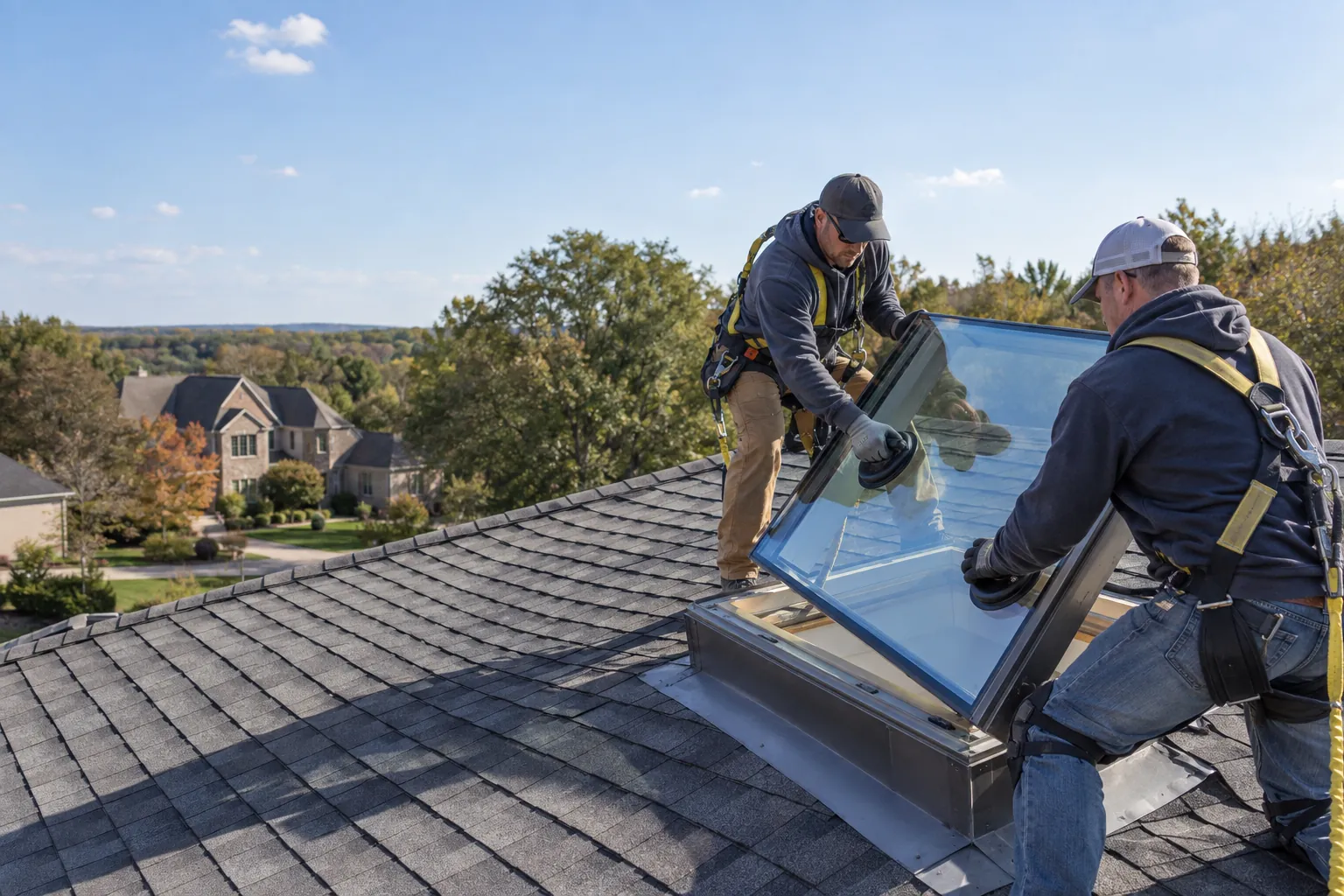
That dramatic bank of clerestory windows above a cathedral ceiling is one of the most striking architectural features in a DMV home — and one of the most challenging glass installations to maintain and replace. Here is what makes these windows different and what working on them involves.
Mike Reynolds
Lead Glass Technician & Owner
In This Article
What Makes Cathedral and Clerestory Glass Different
Cathedral ceiling windows and clerestory windows — the high-placed windows that light dramatic vaulted interior spaces — are among the most architecturally significant glass installations in residential construction. They provide natural light at ceiling level, creating the luminous quality that makes great rooms, foyers, and living spaces feel genuinely inspiring. They also represent some of the most challenging glass maintenance and replacement situations a homeowner can face.
The challenges are primarily practical: access, sizing, weight, and the logistics of getting large, fragile glass panels to heights of 15 to 25 feet in a finished home without damaging flooring, furniture, or the adjacent architectural elements that make the space special. These are not problems that require special materials or extraordinary expertise, but they do require planning, equipment, and experience that distinguish this work from a standard window replacement.
In the DMV, where the architectural diversity of residential construction runs from Georgetown rowhouses to McLean estates to contemporary infill in Arlington, cathedral and clerestory windows appear in a wide variety of configurations. Understanding what is involved before calling for service helps you ask the right questions and set realistic expectations for timeline and cost.
Access: The Dominant Challenge
Replacing glass in a window 18 feet off the floor in a great room with hardwood floors, a stone fireplace surround, and custom built-ins is a fundamentally different operation from replacing a first-floor bedroom window. The access challenge involves four interrelated problems: getting technicians to the height of the window safely, getting the replacement glass to that height without breaking it, removing the old glass without dropping it into the room below, and providing adequate work space at the height of the window to perform the glazing work properly.
Interior access for most cathedral and clerestory windows requires scaffolding or a tall rolling scaffold tower — not extension ladders, which are inappropriate for glazing work that requires both hands free and a stable work platform. In a large room with a clear floor, setting up a rolling scaffold tower is relatively straightforward. In a room where furniture, a grand piano, or built-in cabinetry reduces the available floor space, the setup becomes more complex. In some extreme cases — a two-story foyer with a curved staircase and a chandelier directly below a clerestory window — the logistics of safe scaffold setup require careful planning that adds to the project timeline and cost.
Protecting the interior during high-access glass work requires careful setup. Drop cloths below the work area, protection for any furniture or flooring that cannot be moved, and in some cases temporary protection for adjacent architectural millwork. The glass handling itself requires care: a large clerestory pane weighing 30 to 50 pounds at 18 feet requires proper equipment and at least two technicians working together.
Sizing and Custom Fabrication
Clerestory windows and cathedral ceiling windows are more frequently non-standard sizes than ground-floor windows, particularly in custom or architecturally designed homes. The dramatic geometry that makes these windows special — angled, trapezoidal, or triangular panels following a roofline; arched tops following a vaulted ceiling curve; tall narrow panels in a series — often means that replacement glass cannot be sourced from standard stock and must be custom fabricated.
Custom glass fabrication for non-rectangular shapes adds both lead time and cost to a project. The precise measurement must be taken from the actual opening in the installed frame — in high windows where slight building settlement or frame deflection over years has altered the geometry, the opening as-built may not match the original construction drawings. Getting accurate measurements at height requires careful work with a tape measure and level, and for complex geometries (trapezoids, curved arches), templates or digital measuring tools.
For clerestory windows in thermally demanding positions — south-facing glass high on an interior wall where solar heat gain enters and cannot be easily addressed with blinds or shading — the Low-E specification matters significantly. High clerestory windows on south-facing walls in the DMV can admit substantial solar heat gain in summer that is particularly difficult to manage because the glass cannot be shaded externally and interior blinds at height are often impractical. Solar control Low-E glass in these positions provides passive solar management that is built into the glass and requires no maintenance or operation.
IGU Seal Failure in Elevated Windows
Fogged IGU seals in clerestory and cathedral ceiling windows are a common issue because elevated windows experience more intense solar radiation and more severe thermal cycling than ground-floor windows. A clerestory window facing south or west on a DMV afternoon can reach glass surface temperatures significantly higher than ground-level windows in the same home, accelerating the thermal fatigue of the IGU seal. Seal failures in these positions often occur before ground-floor windows of the same age show any failure.
The challenge with fogged clerestory IGUs is that the fogging is often not noticed promptly — a ground-floor window that fogs is immediately visible and reported; a clerestory window that fogs may go unnoticed for months or years because it is not within normal sight lines during daily activities. By the time the fogging is noticed in a clerestory position, it may be at Stage 2 or Stage 3 failure (see our guide on why double-pane seals fail), with mineral deposits already forming on the interior glass surfaces. Early detection and replacement is significantly less costly than waiting until mineral etching has occurred.
Maintenance Considerations for High Glass
Cleaning glass at cathedral ceiling heights is impractical for most homeowners — it requires the same scaffolding or ladder setup as professional glass work. This creates a glass maintenance gap that can lead to accumulated dirt, mineral deposits, and oxidation that accelerates seal deterioration on some window types. For clerestory windows in heavily-used rooms, establishing a professional cleaning schedule — perhaps every three to five years as part of other maintenance work — makes sense.
The harder maintenance question is what to do when a clerestory window develops a problem that requires replacement. The access cost is a fixed overhead that applies regardless of the scope of the glass problem — whether replacing one failed IGU or all three panels in a series, the scaffolding setup cost is the same. For homeowners who have multiple failed or at-risk clerestory panels, scheduling all replacements simultaneously is significantly more cost-effective than addressing them one at a time with repeated scaffold setups.
Virginia Glass Windows handles cathedral ceiling and clerestory window glass replacement throughout Washington DC, Maryland, and Virginia. We have the scaffolding, the equipment, and the experience to work safely at height in finished residential spaces. Contact us at (703) 470-7867 for a free assessment of your high-window glass needs, or send photos — photos of the windows, the room setup, and your estimated ceiling height give us enough information for a preliminary quote.
About the Author
Mike Reynolds
Lead Glass Technician & Owner
With over 15 years of experience in window and glass repair across the DC, Maryland, and Virginia area, Mike shares practical expertise to help homeowners and businesses make informed decisions about their glass repair and replacement needs.
Need Help With Your Glass?
Our experts are ready to help with any window or glass issue. Free estimates, same-day service available across DC, MD & VA.
Related Articles
Continue reading about glass repair
More Articles
View All
Basement Egress Window Glass Options: Codes, Safety, and Below-Grade Performance
8 min read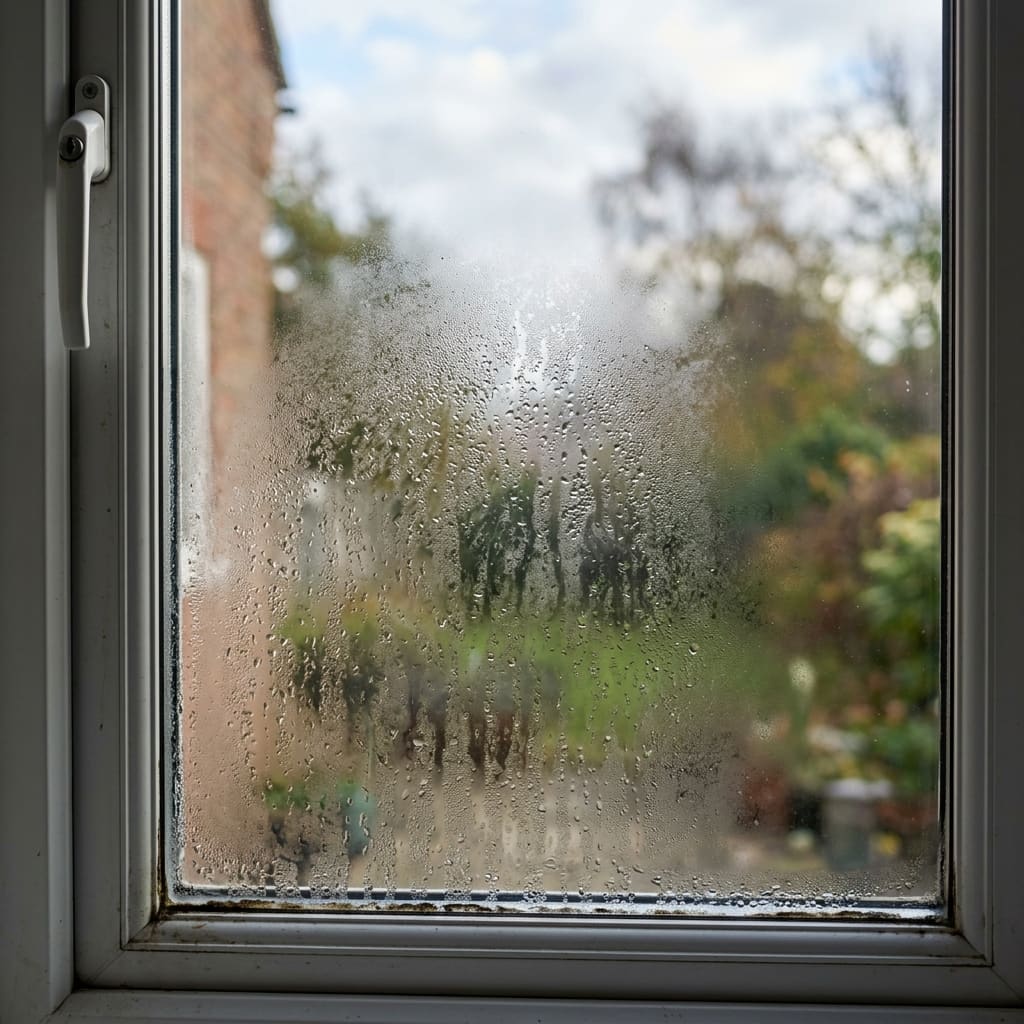
Condensation Between Window Panes: Why It Happens and What Actually Fixes It
9 min read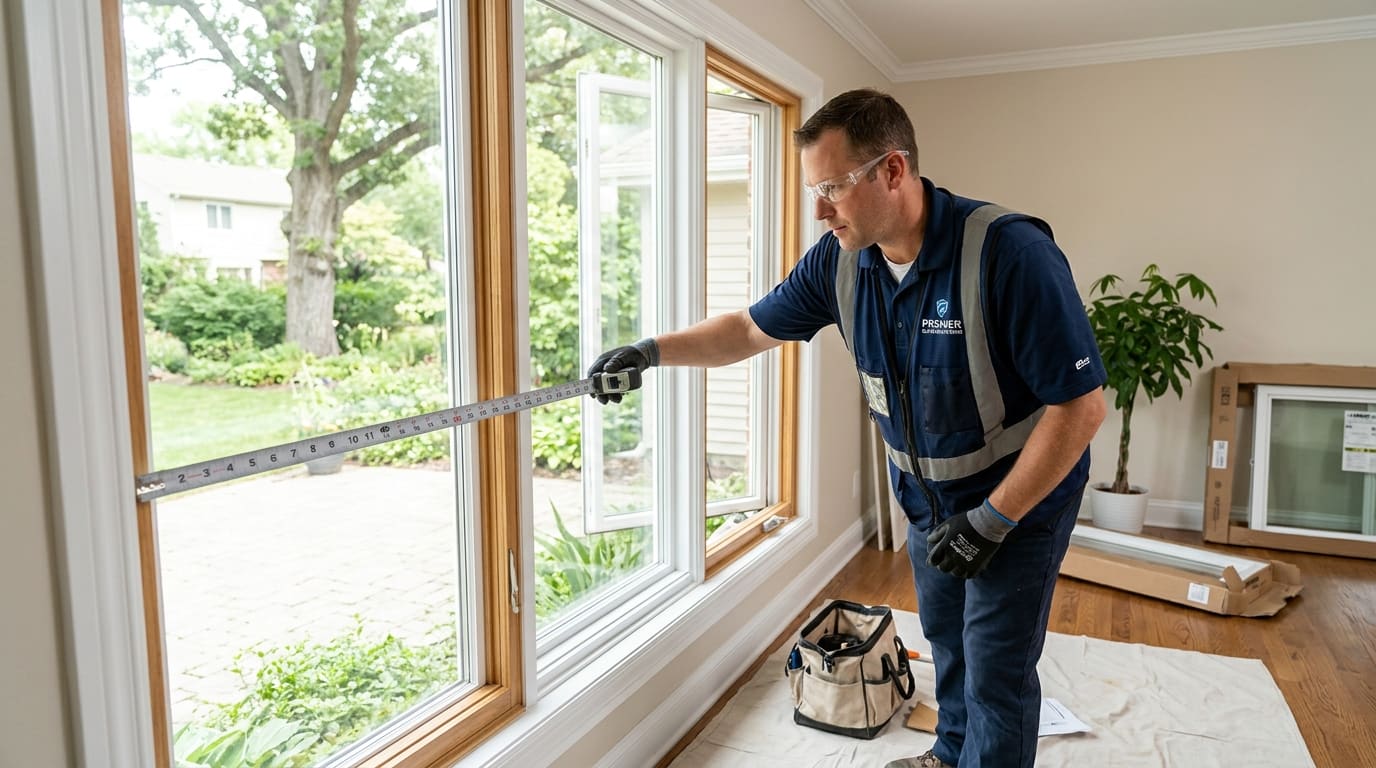
Replacing Glass in Aluminum Frame Windows: Challenges, Methods, and When to Upgrade
8 min read
7 Signs You Need Window Glass Replacement (Don't Ignore #3)
8 min readExplore More Resources
Helpful Guides
Common Problems
Related Pages
Our Services
24/7 Emergency
Board-Up & Glass
Licensed & Insured
DC, MD & VA
300+ Areas
DMV Coverage
Same-Day Service
When You Need It
Ready to Get Started?
Get a free estimate for any window or glass service across the DMV area.