Sliding Glass Door Repair Guide: Glass, Track, and Roller Problems Solved
Sliding glass doors serve as a primary connection between interior living space and patios, decks, and gardens in many DMV homes. When they fail — broken glass, stiff operation, or damaged tracks — they disrupt daily life and create security vulnerabilities. Here is how to diagnose and address the most common problems.
Mike Reynolds
Lead Glass Technician & Owner
In This Article
Understanding Your Sliding Glass Door System
A sliding glass door consists of two main components: the door panel (the glass-filled frame that slides) and the fixed panel (a stationary glass-filled frame that does not move). The sliding panel rides on rollers (wheels) that run in a track at the bottom of the door frame, and is guided by a track channel at the top that prevents it from tipping. The glass in both panels is required by building code to be safety-rated — tempered or laminated — because of the fall and impact risk associated with large glass panels near floor level that people walk past and toward daily.
Problems with sliding glass doors fall into three main categories: glass damage (cracking, breakage, or failed IGU seal), mechanical problems (difficult operation, stuck panels, noisy sliding), and frame or track damage. Each category has distinct causes and solutions. Our patio door glass repair service covers both glass-only replacement and complete door assessment.
Problem 1: Broken or Cracked Sliding Door Glass
The large glass panels in sliding glass doors are among the most vulnerable glass surfaces in a home — exposed to impact from furniture, children's toys, balls, and the door itself being operated with too much force. When sliding door glass breaks, the tempered glass shatters into the characteristic small fragments — a sudden, dramatic failure that creates a safety hazard and immediately eliminates the door's security and weather barrier function.
Sliding door glass replacement requires measuring the existing frame, ordering the correct tempered or laminated safety glass in the right size and thickness, removing the broken glass and cleaning the frame, then installing the new glass with appropriate glazing tape and setting blocks. The glass must be safety-rated regardless of what was originally installed — current code applies to replacements. Large sliding door panels are heavy and unwieldy; professional handling ensures the glass is installed correctly and safely.
If the IGU seal has failed in a sliding door panel — producing fogging between the panes — the solution is the same IGU replacement process described for windows, adapted for the larger panel size. See our article on double-pane window repair for context on whether the unit can be repaired or must be replaced.
Problem 2: Hard to Slide or Sticking Door
A sliding glass door that has become difficult to operate is usually a roller or track problem. The rollers at the base of the sliding panel wear over time — the rolling surface compresses, flattens, or develops flat spots, increasing friction and making the door drag rather than glide. Debris accumulation in the bottom track — dirt, pet hair, small stones, leaf fragments — also dramatically increases rolling resistance. The door may also be difficult to slide if it has sagged out of its track alignment due to a bent or damaged bottom track section.
Start with track cleaning: remove the sliding panel (lift up and tilt the bottom outward away from the track), vacuum the track thoroughly, and wipe clean with a damp cloth. Inspect the track for bent or damaged sections. Reinstall the door and test operation. If the door still drags, inspect the rollers — most are accessible through adjustment holes on the bottom of the door frame. Roller adjustment (raising or lowering the door relative to the track) can restore smooth operation if the rollers are functional but misaligned. If the rollers themselves are worn, flat-spotted, or broken, replacement rollers matched to the door brand and model restore full operation.
Problem 3: Door Jumping Off or Falling Out of the Track
A sliding door that jumps out of its track or feels unstable during operation typically has one of three causes: worn or broken rollers that allow the panel to drop below the track bottom and disengage; a bent or damaged track section that the rollers cannot navigate; or a top guide channel that has failed or been damaged, allowing the top of the panel to swing outward during operation.
A door that has fallen out of its track should be inspected carefully before reinstallation — if the cause of the derailment is not identified and corrected, the door will exit the track again, creating a safety hazard for anyone in its path. A large sliding glass door panel weighs 50 to 150 pounds; a falling or uncontrolled panel can cause serious injury.
Problem 4: Failed Lock or Latch
The locking mechanism on a sliding glass door — typically a hook latch on the sliding panel that engages a strike on the fixed frame — is a critical security component. Worn latches that no longer engage fully, bent or misaligned strikes, and broken lock handles are common in aging sliding door systems. A sliding door that does not lock securely is a security vulnerability regardless of how well the glass is performing.
Most sliding door locks are available as aftermarket replacement parts from hardware suppliers. The replacement process varies by manufacturer and design, but is typically accessible to a mechanically inclined homeowner. If the door frame has twisted or the panels are misaligned due to structural settlement, the lock alignment issues may not be fully resolvable without frame adjustment.
When to Replace vs. Repair
Sliding glass doors that have good glass and functional frames but worn mechanical components — rollers, tracks, locks — are good candidates for targeted repair of the mechanical elements. Doors with broken or failed glass and good frames are candidates for glass replacement only. Doors where the frame has significant damage, corrosion, or structural compromise may be better served by complete door replacement, which addresses all components simultaneously.
Virginia Glass Windows assesses sliding glass doors honestly and recommends the most cost-effective solution. Use our free photo estimate service or call (703) 470-7867 for a same-day assessment of any sliding door problem.
About the Author
Mike Reynolds
Lead Glass Technician & Owner
With over 15 years of experience in window and glass repair across the DC, Maryland, and Virginia area, Mike shares practical expertise to help homeowners and businesses make informed decisions about their glass repair and replacement needs.
Need Help With Your Glass?
Our experts are ready to help with any window or glass issue. Free estimates, same-day service available across DC, MD & VA.
Related Articles
Continue reading about guides
More Guides
View All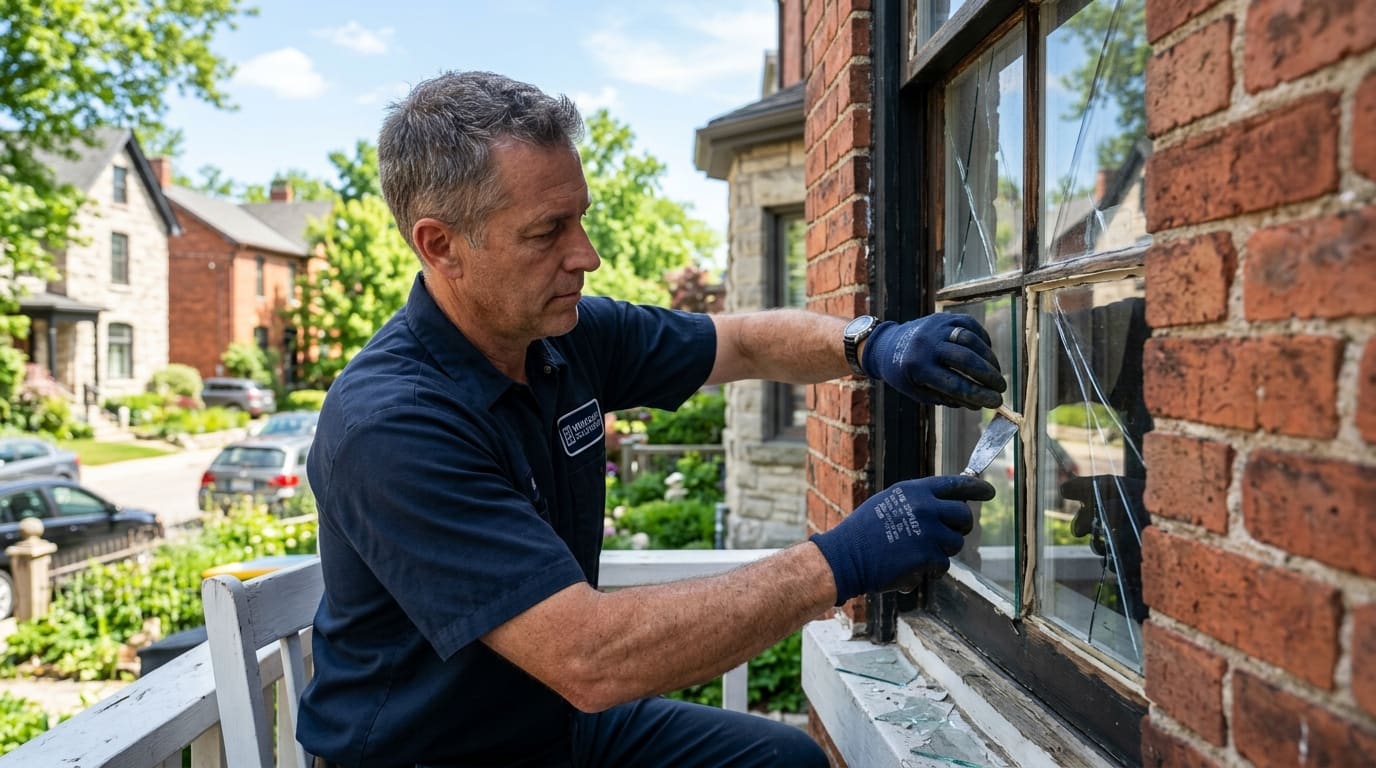
How to Tell If Your Window Glass Needs Repair or Replacement
8 min read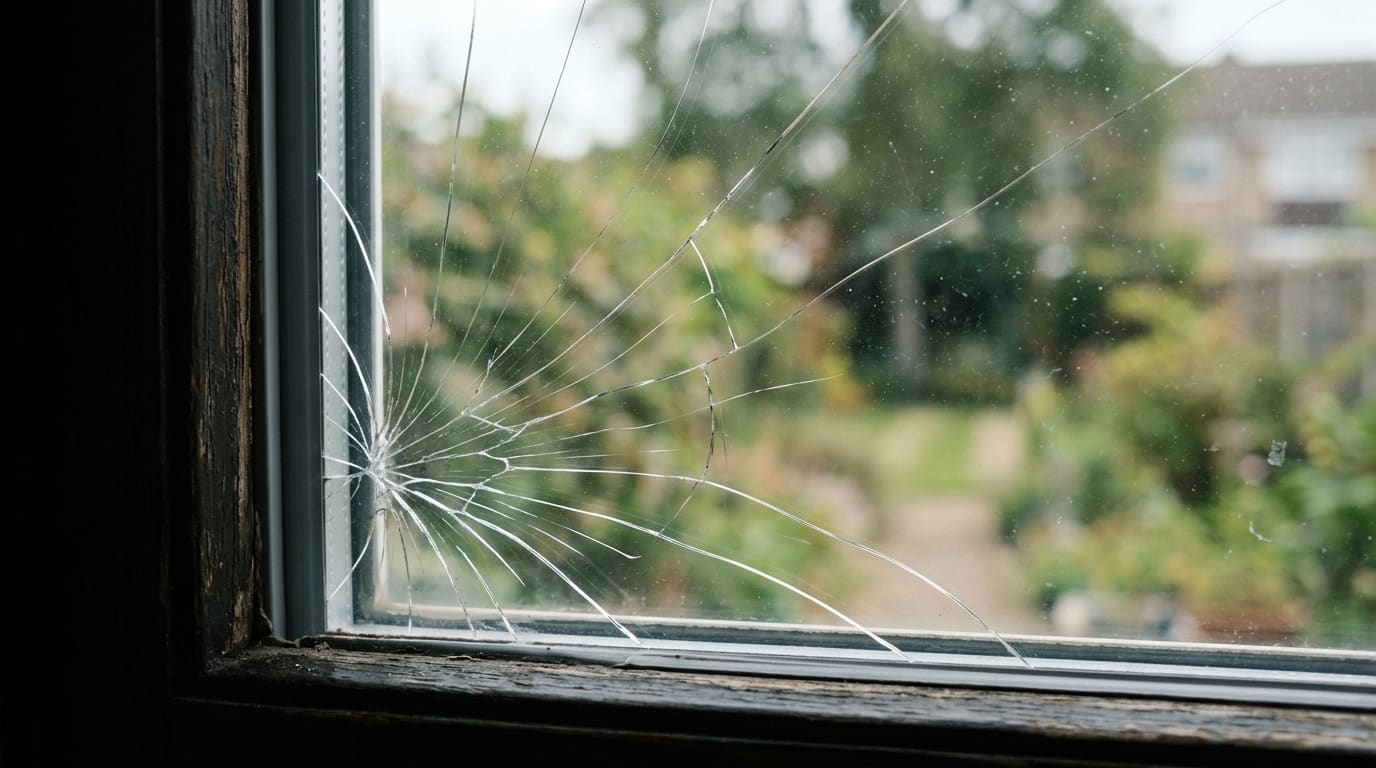
Stress Cracks in Windows: Causes, Prevention & Solutions for DMV Homeowners
7 min read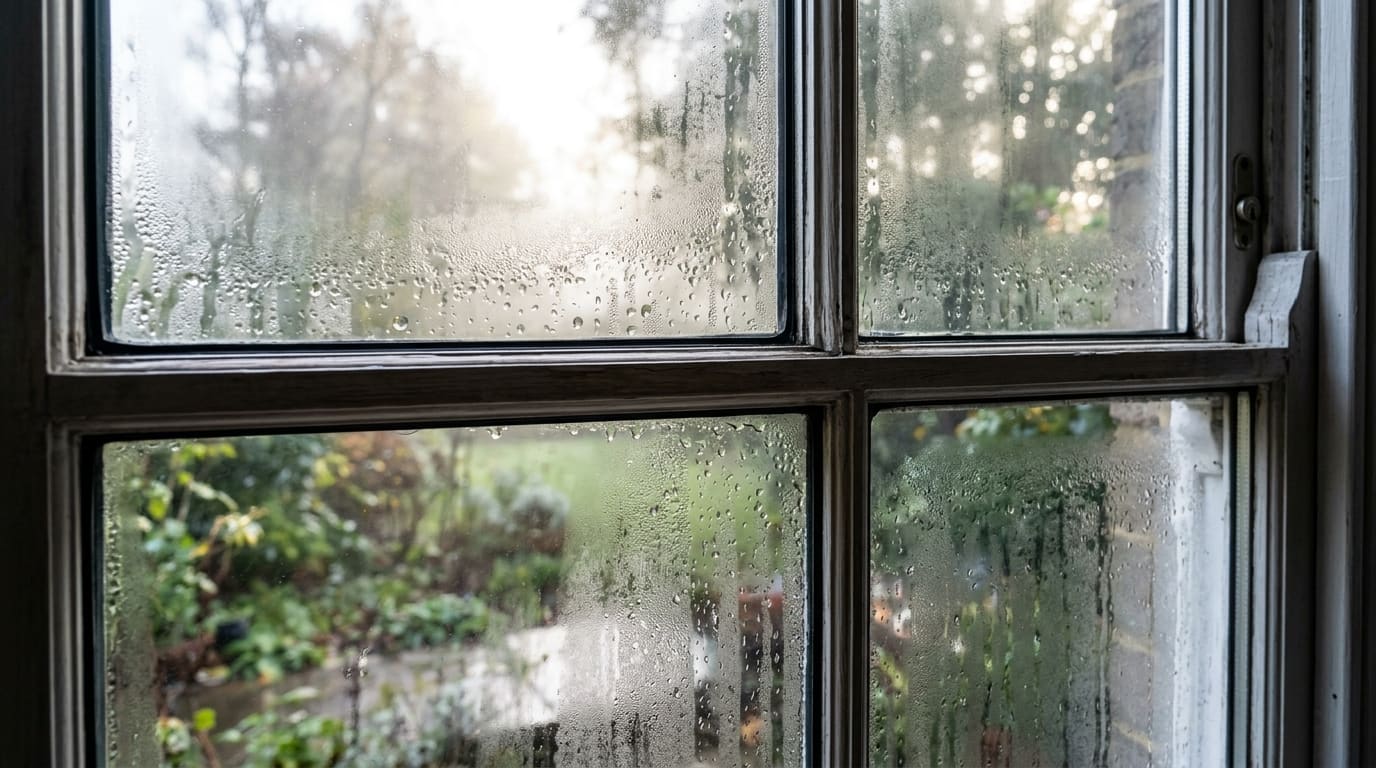
Foggy Windows: Why Double-Pane Seals Fail & What to Do About It
9 min read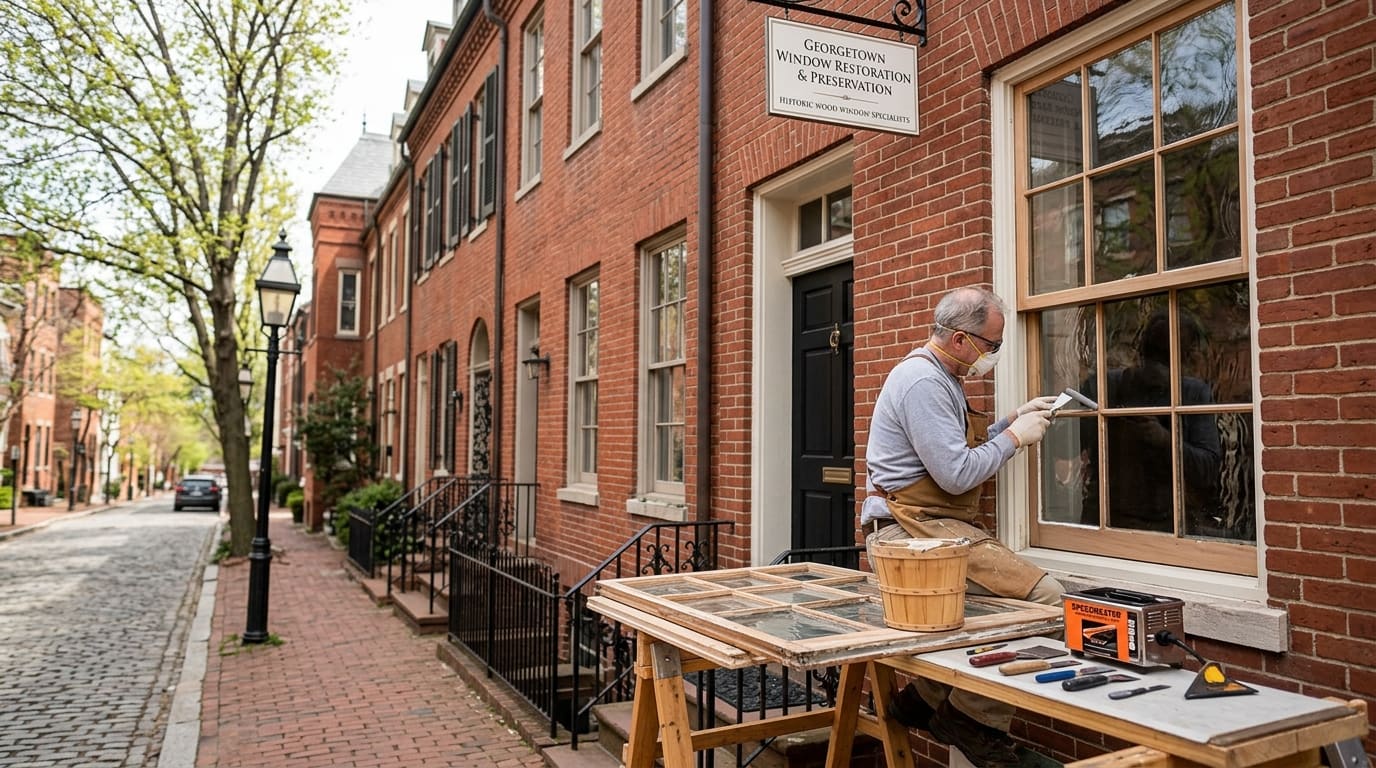
Glass Replacement in Historic DMV Homes: Preservation Meets Performance
9 min readExplore More Resources
Helpful Guides
Common Problems
Related Pages
Our Services
24/7 Emergency
Board-Up & Glass
Licensed & Insured
DC, MD & VA
300+ Areas
DMV Coverage
Same-Day Service
When You Need It
Ready to Get Started?
Get a free estimate for any window or glass service across the DMV area.