When to Replace Windows in an Old House: A Practical Guide for DMV Homeowners
Older homes in the DMV area often have original wood windows with single-pane glass, or early double-pane windows nearing the end of their service life. Deciding when to restore, upgrade, or replace requires understanding both the condition of what you have and the realistic performance of what you could have.
Mike Reynolds
Lead Glass Technician & Owner
In This Article
The Unique Position of Old House Windows in the DMV
The Washington DC metropolitan area has a remarkable stock of older housing — colonial-era homes in Alexandria, Victorian-era rowhouses throughout DC, Craftsman bungalows in Silver Spring, mid-century colonials throughout Northern Virginia and suburban Maryland. Many of these homes retain original wood windows — double-hung sash windows with simple single-pane glass, genuine divided lights, and wood frames that have lasted 50, 80, or even 100 years through the DMV's demanding climate.
These original windows raise a genuine question: are they worth preserving, restoring, and operating for another generation? Or have they reached the end of their practical life, where the energy waste and maintenance demands make replacement the right choice? The answer is not universal — it depends on the window's condition, the home's character, your goals for the home, and the realistic performance outcomes of different choices.
The Case for Preserving Original Wood Windows
Original wood windows in older DMV-area homes have real value that is often underestimated. Quality old-growth wood — the species and grain density common in windows built before 1950 — is significantly more durable and rot-resistant than the fast-grown lumber used in modern window frames. Original windows that have lasted 80 to 100 years with normal maintenance have demonstrated their durability. Many will last another 50 years with appropriate care.
Original windows also contribute to the architectural character of older homes in ways that replacement windows rarely can match. Divided light windows — with individual small panes separated by wood muntins — have a visual quality that modern simulated-divided-light (SDL) replacements approximate but do not fully replicate. For homes in historic districts in DC, Alexandria, Annapolis, or other historically sensitive DMV communities, window replacement may require historic preservation review, and exact-match replacements are expensive.
The energy performance of original single-pane windows is genuinely poor — no question. But the gap between original single-pane and well-restored single-pane with good weatherstripping and storm windows is substantial, and the gap between well-restored windows with storm windows and modern double-pane replacements is smaller than many homeowners assume. A properly tuned original wood window with tight weatherstripping and an interior or exterior storm window can achieve thermal performance approaching a moderate-quality double-pane replacement unit.
When Restoration Makes Sense
Restoration — repairing and maintaining the original window — makes sense when the wood frame is structurally sound with no significant rot, the sash operates correctly, and the window is historically or architecturally significant to the home. Restoration typically involves: re-glazing (replacing failed glazing compound with fresh oil-based putty), replacing weatherstripping, repairing or replacing broken sash cords and weights in double-hung windows, stripping and repainting deteriorated paint to protect the wood, and installing storm windows for energy improvement.
This approach preserves the original window's character and materials, extends its service life significantly, and improves energy performance meaningfully — all at a cost typically well below full window replacement. For DMV homeowners in historic districts or historic preservation overlay zones, restoration is often the required path; for those outside these areas, it remains a legitimate and often economically rational choice.
When Glass Upgrade Makes Sense (Keeping the Frame)
For original wood frames in good structural condition but with original single-pane glass, replacing the single-pane glass with a custom-made double-pane insulated glass unit fitted to the original frame rabbet is a middle path that preserves the frame while dramatically improving glass performance. This option is not available for all original window styles — true divided light windows with individual small panes cannot receive double-pane IGUs in each pane without structural changes. But for windows with a single large light or a few large divided sections, custom-sized IGUs can often be fitted to the original frame.
This approach preserves the frame, improves energy performance substantially, and costs significantly less than full window replacement. The glass upgrade can include modern Low-E coatings for additional energy performance beyond what double-pane clear glass provides. See our guide to energy-efficient glass options for the full range of what is available.
When Full Window Replacement Is the Right Choice
Full replacement — frame, sash, and glass — makes sense when the frame has significant rot or structural damage that makes restoration impractical or uneconomical; when the window type is being changed (converting from double-hung to casement, adding an egress window); when the existing window style is not architecturally significant and the home would not lose character from replacement; or when a comprehensive home renovation makes full window upgrade the practical choice.
In the DMV area, double-pane windows from the late 1980s and 1990s are now reaching the end of their IGU service life. These windows often have aluminum frames — functional but thermally poor — and original IGUs without Low-E coatings. For these windows, the case for glass-only IGU replacement (if the frame is sound) versus full window replacement is worth evaluating carefully.
Getting a Realistic Assessment
Virginia Glass Windows can assess old-house windows honestly — including giving you a realistic view of original window condition, restoration potential, glass upgrade options, and full replacement alternatives. We work with historic and older homes throughout Washington DC, Northern Virginia, and Maryland. Use our free photo estimate service or call (703) 470-7867 to schedule an assessment.
About the Author
Mike Reynolds
Lead Glass Technician & Owner
With over 15 years of experience in window and glass repair across the DC, Maryland, and Virginia area, Mike shares practical expertise to help homeowners and businesses make informed decisions about their glass repair and replacement needs.
Need Help With Your Glass?
Our experts are ready to help with any window or glass issue. Free estimates, same-day service available across DC, MD & VA.
Related Articles
Continue reading about glass repair
More Articles
View All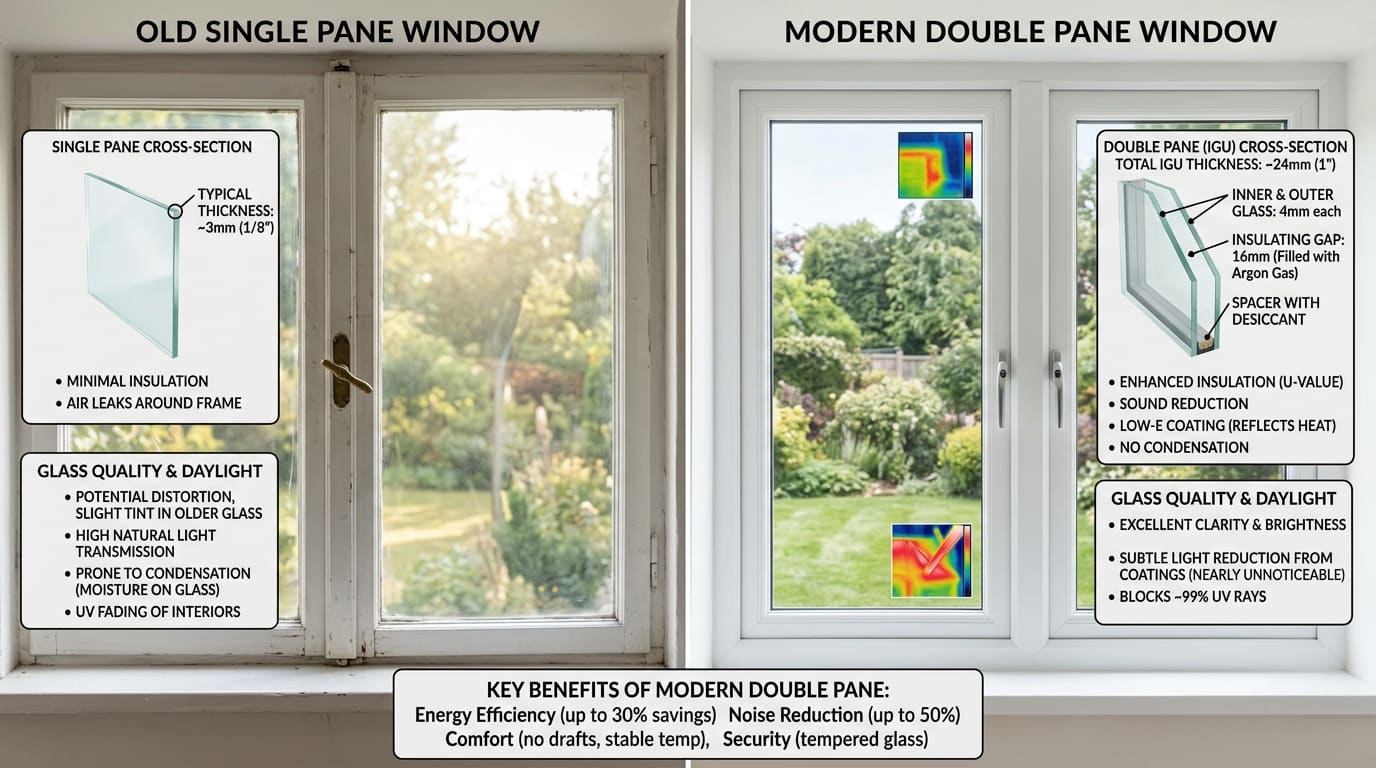
Basement Egress Window Glass Options: Codes, Safety, and Below-Grade Performance
8 min read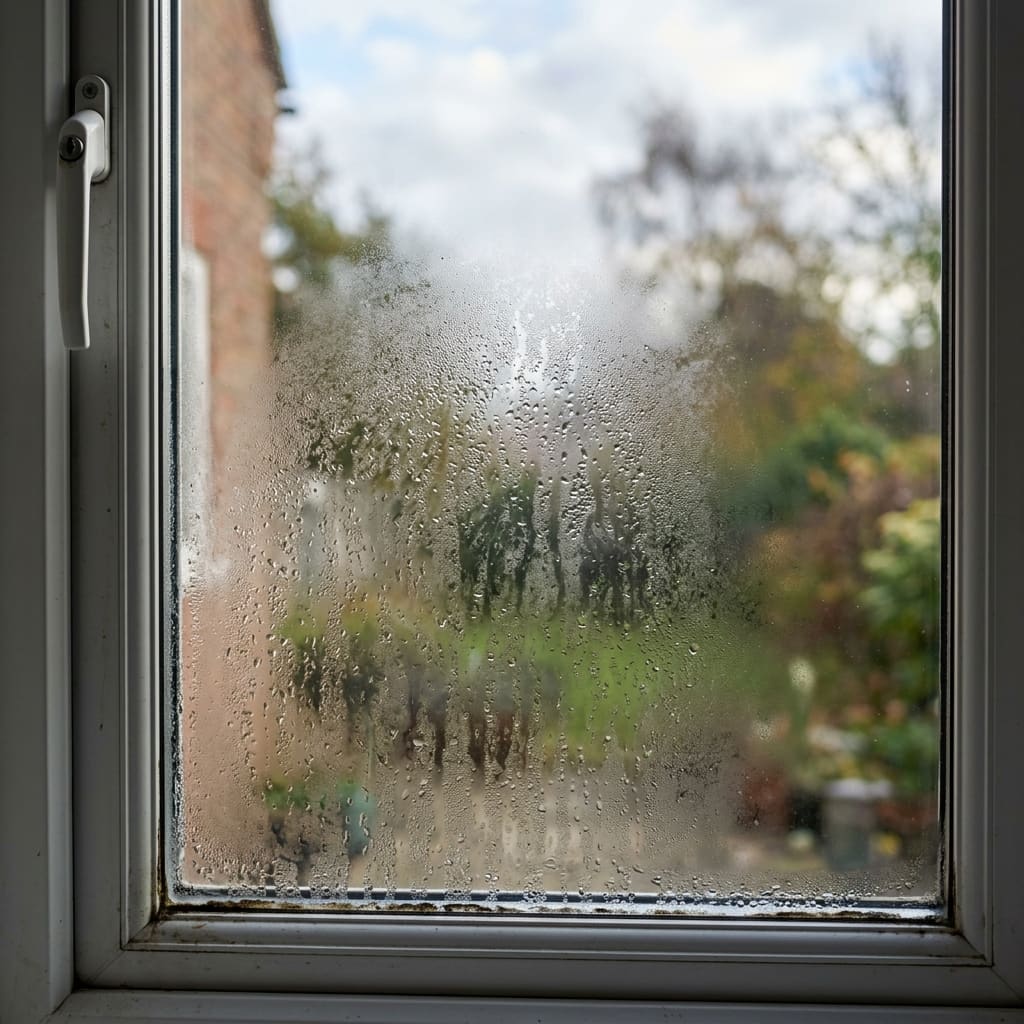
Condensation Between Window Panes: Why It Happens and What Actually Fixes It
9 min read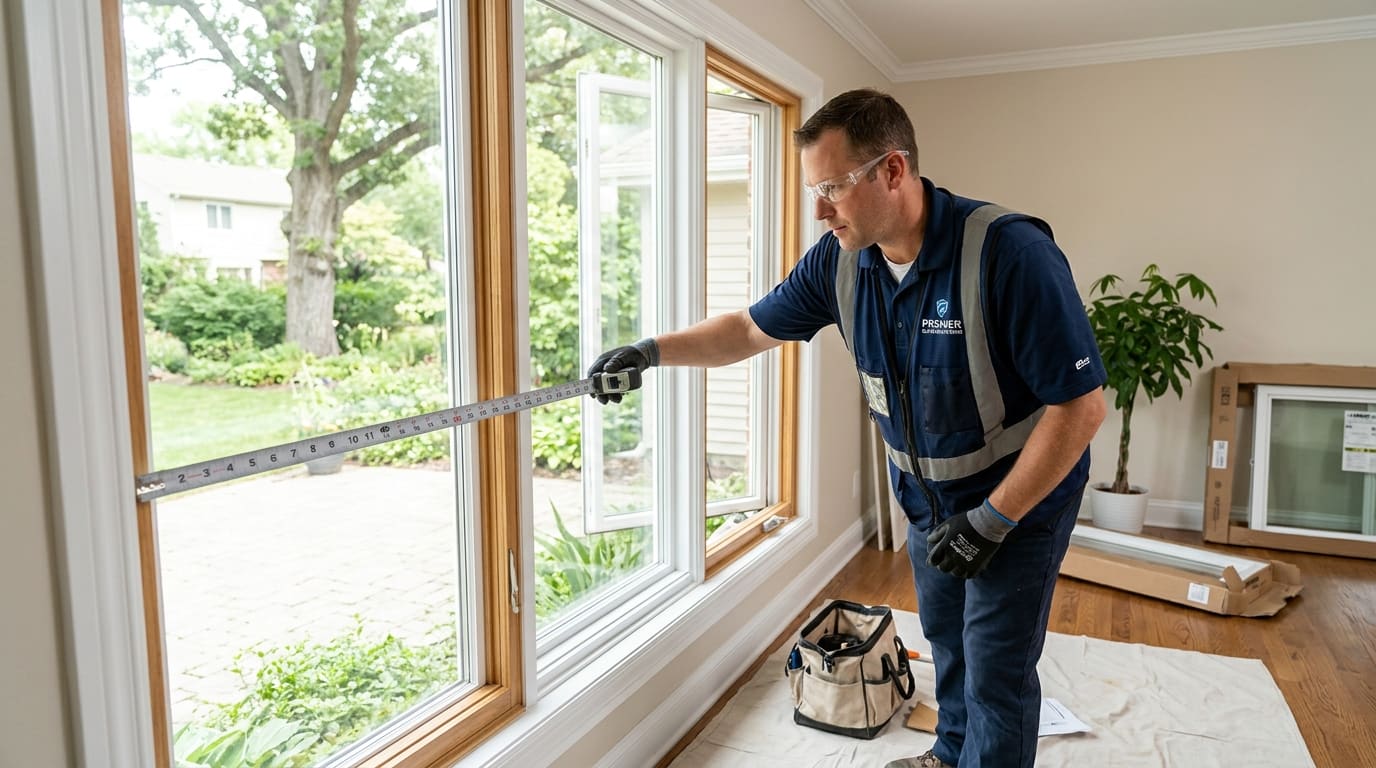
Replacing Glass in Aluminum Frame Windows: Challenges, Methods, and When to Upgrade
8 min read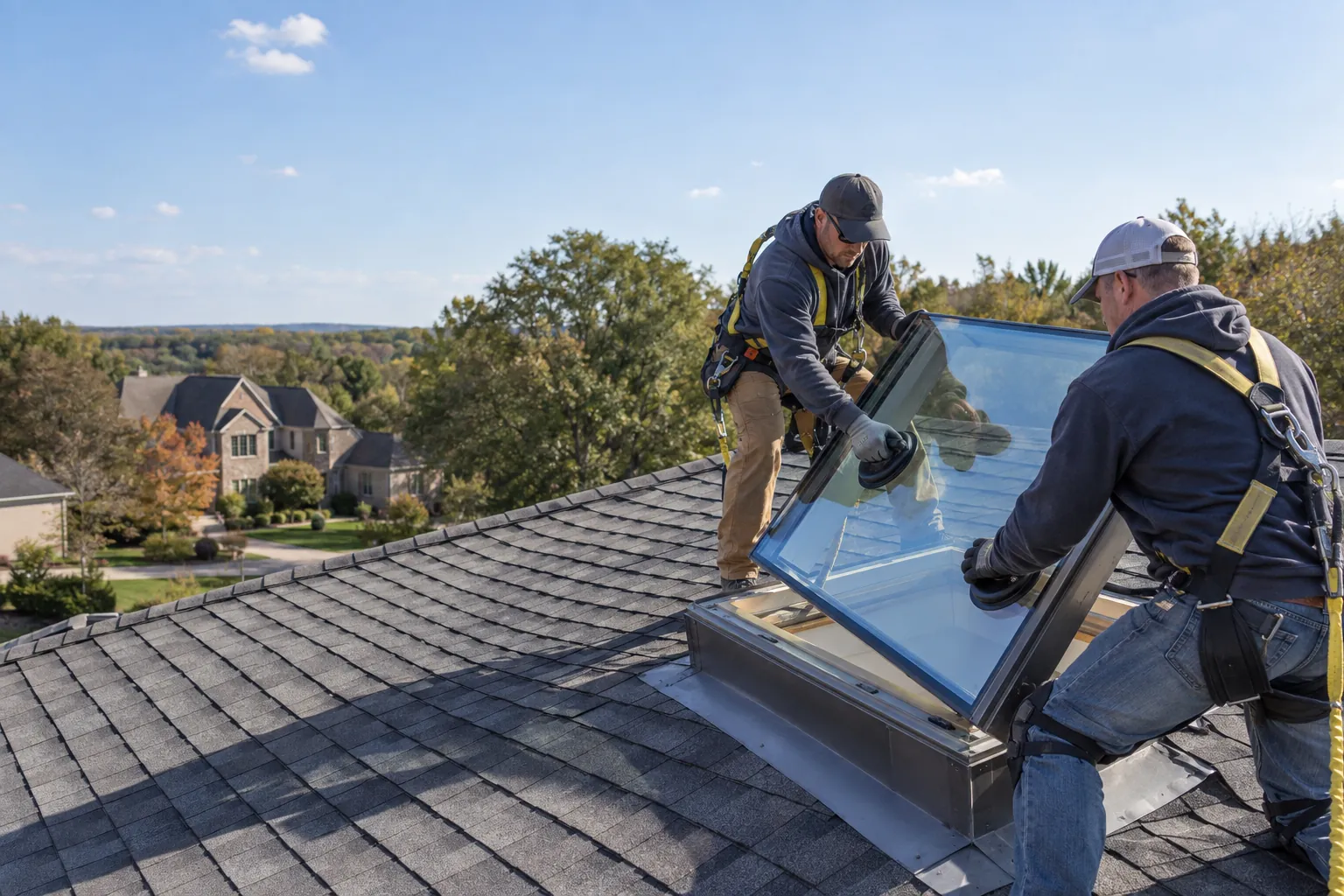
Cathedral Ceiling and Clerestory Window Glass: The Unique Challenges and Solutions
8 min readExplore More Resources
Helpful Guides
Common Problems
24/7 Emergency
Board-Up & Glass
Licensed & Insured
DC, MD & VA
300+ Areas
DMV Coverage
Same-Day Service
When You Need It
Ready to Get Started?
Get a free estimate for any window or glass service across the DMV area.