Basement Window Glass: Egress, Security & Replacement Guide
Basement windows serve critical roles — emergency egress, natural light, ventilation, and security. Understanding the codes, glass types, and replacement options helps DMV homeowners make smart decisions.
Mike Reynolds
Lead Glass Technician & Owner
In This Article
Egress Window Requirements for Basements
If your basement contains a bedroom, a habitable living space, or is being finished as living area, building codes require at least one egress window that provides a safe emergency exit route. The International Residential Code Section R310, adopted throughout the DMV area with local variations, establishes specific minimum dimensions for basement egress windows that cannot be compromised regardless of other design preferences.
The minimum clear opening area for a basement egress window is 5.7 square feet, with a minimum clear opening height of 24 inches and a minimum clear opening width of 20 inches. The maximum sill height is 44 inches above the finished floor. These are clear opening dimensions — the actual opening through which a person can escape — not the overall window frame size. The glass type, frame profile, and operating hardware all affect the clear opening, which is why verifying these dimensions with the window fully open is essential during installation or replacement.
For basements where the window well extends below grade, an egress window well must be provided. The well must be at least 36 inches wide (measured perpendicular to the building wall) and provide at least 9 square feet of floor area. If the well is deeper than 44 inches, a permanently attached ladder or steps must be installed. DMV building inspectors pay close attention to egress window compliance — it is one of the most commonly cited violations in basement finishing projects, and it directly affects the safety of occupants in an emergency.
Basement Window Types and Their Glass Requirements
Hopper windows — which hinge at the bottom and tilt inward — are the most traditional basement window style. They are compact, relatively inexpensive, and effective for ventilation. However, standard hopper windows rarely meet egress size requirements, making them suitable only for non-habitable basement spaces like utility rooms, laundry areas, and storage. The glass in hopper windows is typically 1/8-inch or 5/32-inch double-pane insulated glass in a vinyl or aluminum frame.
Slider windows — operating horizontally on a track — are popular for basements because they fit the wide, short openings typical of foundation walls. A sufficiently sized slider can meet egress requirements when fully open. The glass specification for basement sliders is similar to standard residential windows: double-pane insulated glass with Low-E coating for energy efficiency. Casement windows — hinged at the side and cranking outward — offer the best clear opening relative to their frame size, making them the easiest window type to meet egress requirements in a compact opening. The entire sash swings clear, providing maximum escape space.
Awning windows hinge at the top and push outward at the bottom, allowing ventilation even during light rain — a practical advantage for below-grade installations that are more susceptible to water intrusion. However, the outward-opening sash can be obstructed by window wells, and the clear opening geometry makes egress compliance more challenging than with casement or slider designs.
Glass Block: An Alternative for Non-Egress Locations
Glass block windows are a time-tested solution for basement openings that do not require egress — utility areas, laundry rooms, and storage spaces where security, privacy, and water resistance matter more than ventilation or escape route compliance. Glass blocks provide substantially more security than standard window glass because they are mortared or silicone-set into a rigid assembly that resists forced entry far more effectively than a framed window pane.
Modern glass block comes in various patterns — wavy, frosted, clear, and decorative — that admit natural light while providing privacy. For DMV basements where the window is at or near ground level and faces a sidewalk, alley, or neighboring property, glass block provides light and privacy without the security vulnerability of a standard window. Vented glass block panels include an operable hopper-style vent within the block assembly, providing ventilation without sacrificing the security benefits of the block construction.
The thermal performance of glass block has improved significantly with modern manufacturing. Insulated glass blocks with internal air chambers provide R-values comparable to standard double-pane windows, addressing the energy efficiency concern that was historically a drawback of glass block construction. For DMV homeowners finishing a basement, glass block in non-egress openings combined with code-compliant egress windows where required provides an effective combination of security, privacy, light, and safety.
Security Options for Basement Windows
Basement windows are the most common entry point for residential break-ins in the DMV area. Their below-grade or at-grade position makes them less visible to neighbors and passersby, and standard basement windows — especially older single-pane units — are relatively easy to force open or break through. Upgrading basement window glass security is one of the most effective home hardening measures available.
Laminated glass provides the most meaningful glass-based security upgrade. Unlike tempered glass, which shatters completely when broken, laminated glass holds together when struck, requiring sustained effort and creating significant noise to breach. Replacing standard basement window glass with laminated safety glass significantly increases the time and difficulty of forced entry. For maximum security, laminated glass can be combined with security film for a multi-layer barrier.
Window well covers made of polycarbonate or metal grating add a physical barrier over below-grade windows while still allowing light and emergency egress (code-compliant covers must be operable from inside without tools). Security bars or grilles provide a strong deterrent but must include a quick-release mechanism on egress windows — fixed bars on an egress window are a serious code violation and a potentially fatal obstruction in a fire. Modern security bar systems for basement windows include interior-release mechanisms that allow emergency exit while preventing forced entry from outside.
Energy Efficiency and Moisture Resistance for Below-Grade Windows
Basement windows face unique environmental conditions that affect both energy efficiency and durability. Below-grade windows are surrounded by earth that maintains a relatively constant temperature year-round — cooler than the summer air but warmer than winter air. This means the temperature differential across basement window glass is typically less extreme than for above-grade windows, but moisture is a much greater concern. Condensation, groundwater seepage around the window frame, and the high humidity common in DMV basements create an environment that challenges window materials and seals.
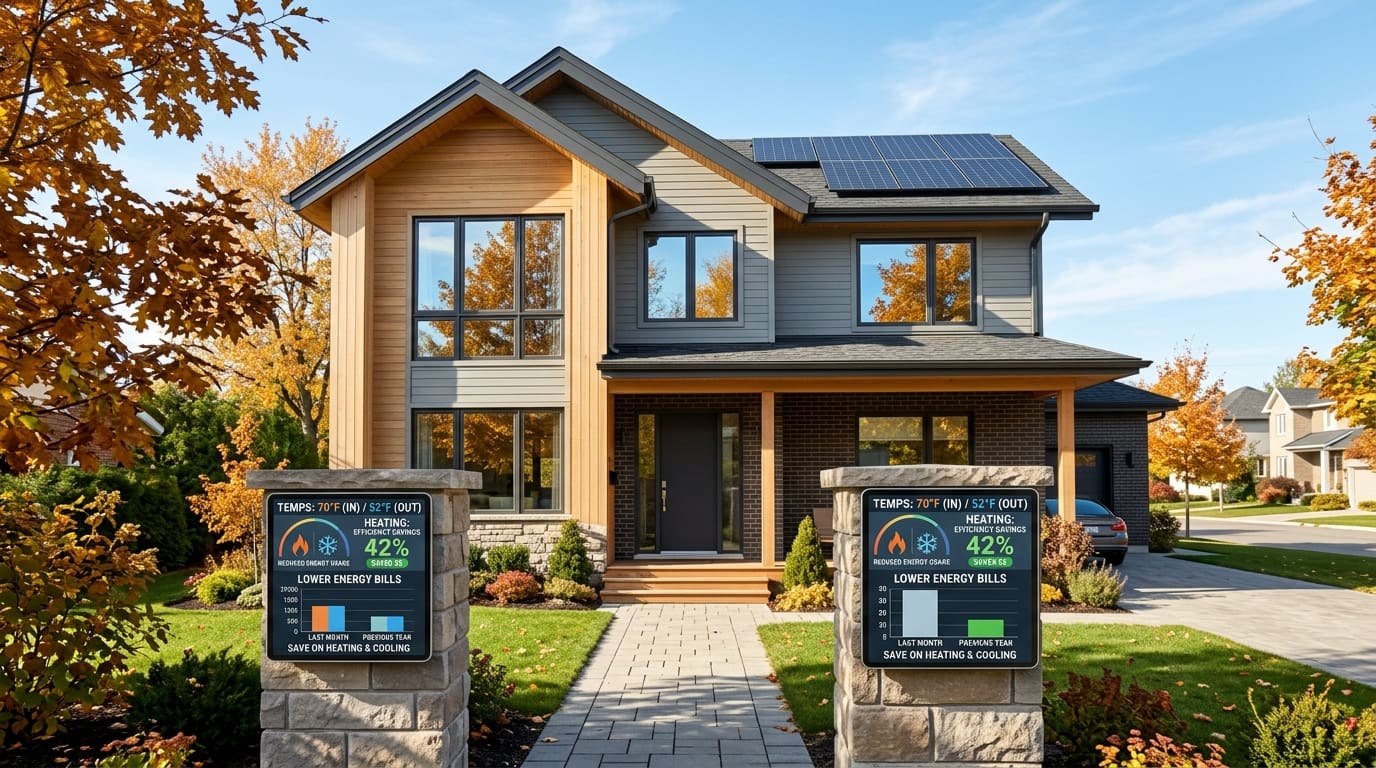
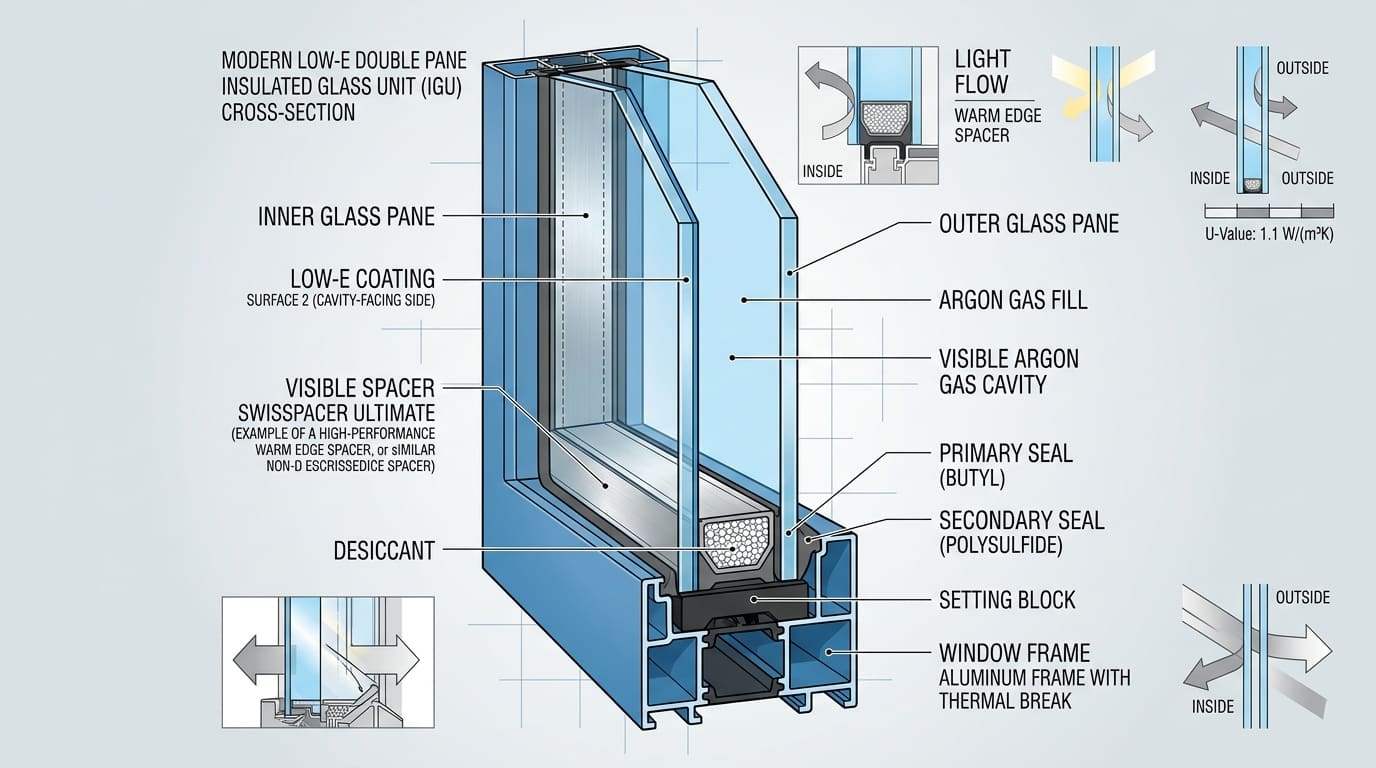
For glass specification, double-pane insulated glass with Low-E coating is the standard recommendation for basement windows in the DMV area. The Low-E coating reduces radiant heat transfer, and the insulated air space (ideally filled with argon gas) minimizes conductive heat loss. In basements, the energy benefit of Low-E glass is most noticeable in winter, when it helps keep the basement livable temperature without excessive heating — important for finished basements used as living space, home offices, or recreation rooms.
Moisture resistance is critical for basement window frames and seals. Vinyl frames are the preferred material for below-grade windows because vinyl does not rot, rust, or corrode when exposed to moisture. Wood frames, common in older DMV homes, deteriorate rapidly in below-grade applications unless meticulously maintained. When replacing basement window glass, upgrading from wood to vinyl frames at the same time provides a moisture-resistant installation that will perform reliably for decades. Virginia Glass Windows installs and replaces basement window glass throughout Washington DC, Maryland, and Virginia — call (703) 470-7867 for a free assessment of your basement window needs.
About the Author
Mike Reynolds
Lead Glass Technician & Owner
With over 15 years of experience in window and glass repair across the DC, Maryland, and Virginia area, Mike shares practical expertise to help homeowners and businesses make informed decisions about their glass repair and replacement needs.
Need Help With Your Glass?
Our experts are ready to help with any window or glass issue. Free estimates, same-day service available across DC, MD & VA.
Related Articles
Continue reading about guides
More Guides
View All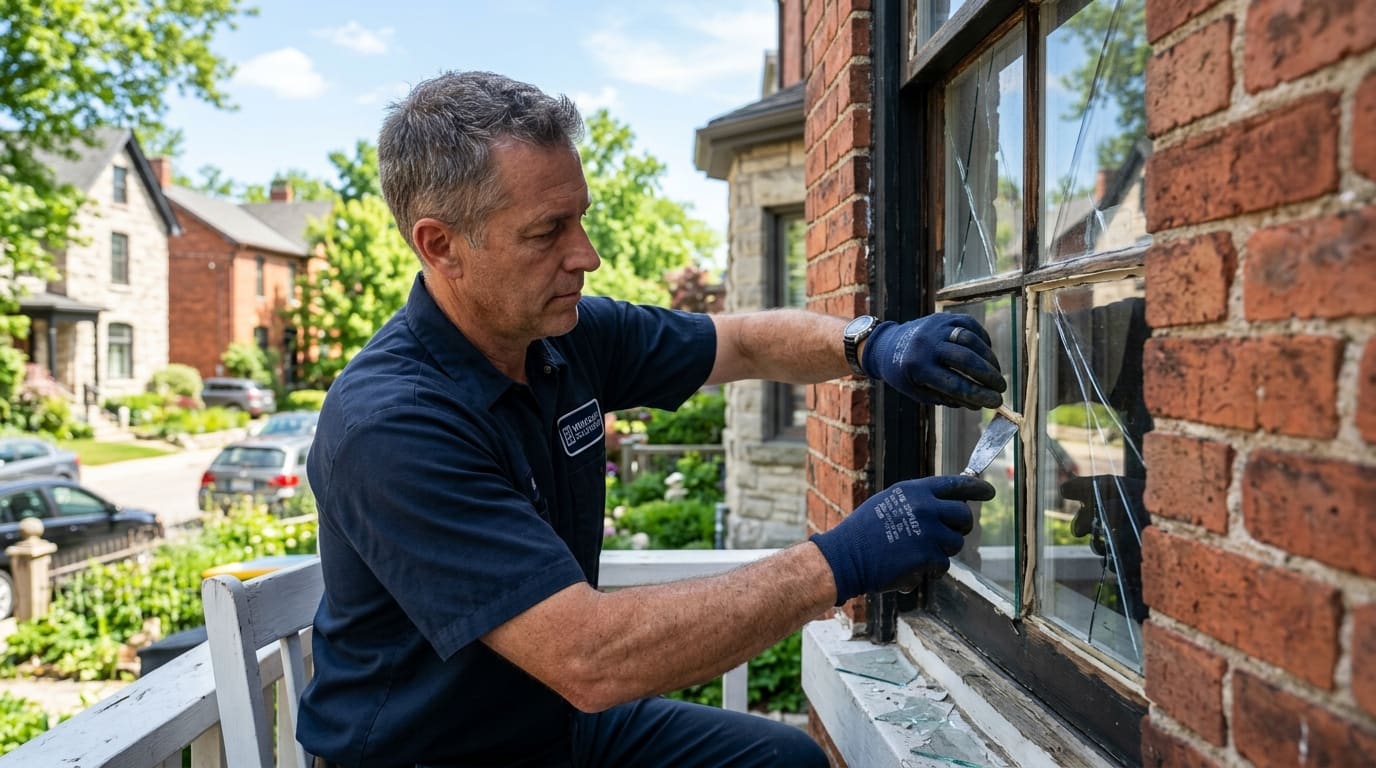
How to Tell If Your Window Glass Needs Repair or Replacement
8 min read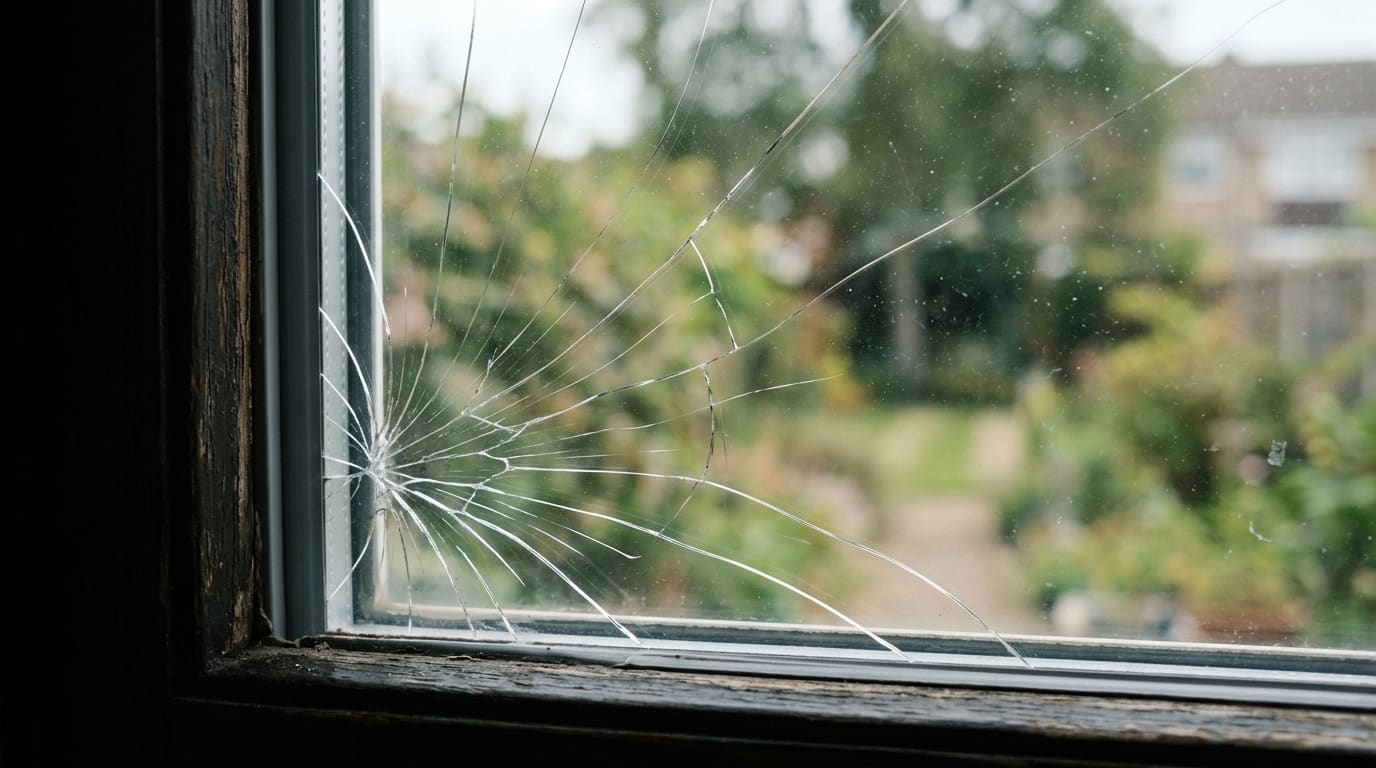
Stress Cracks in Windows: Causes, Prevention & Solutions for DMV Homeowners
7 min read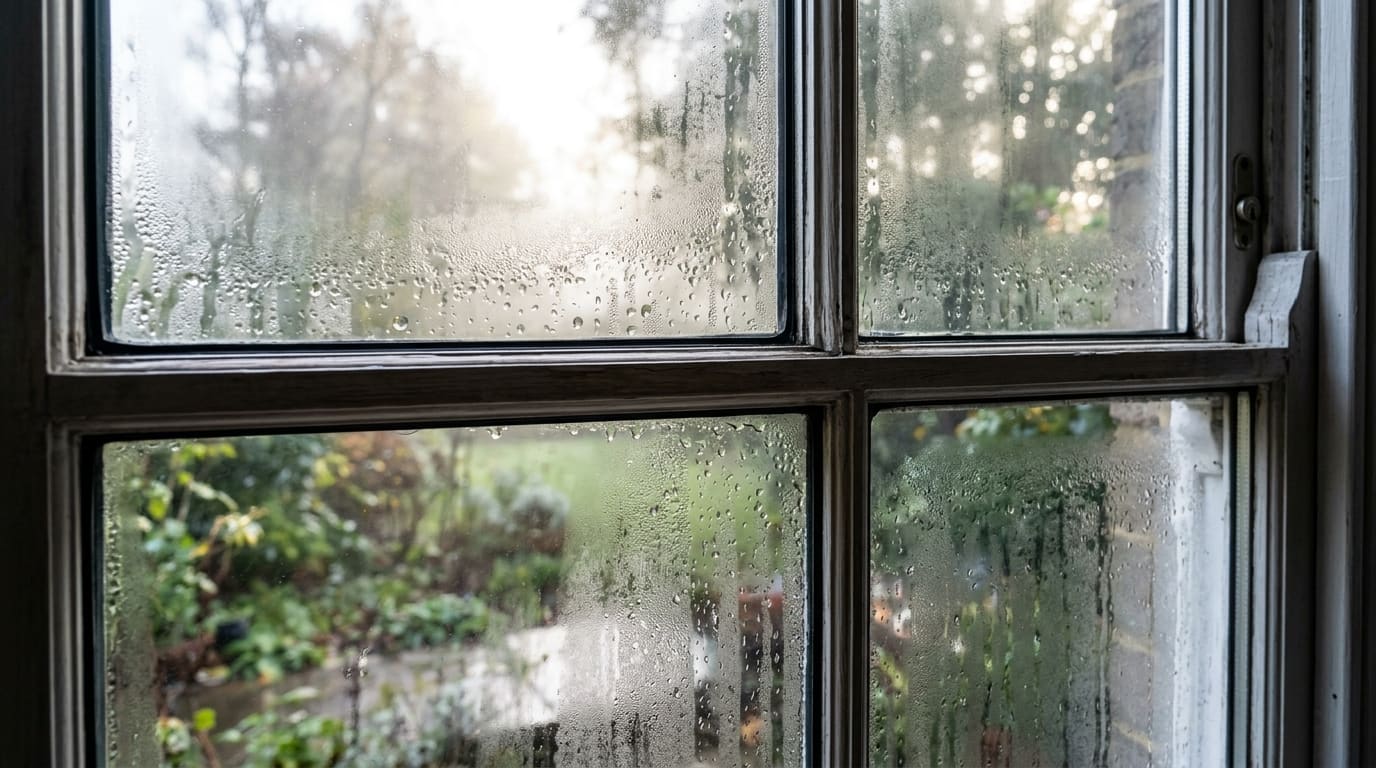
Foggy Windows: Why Double-Pane Seals Fail & What to Do About It
9 min read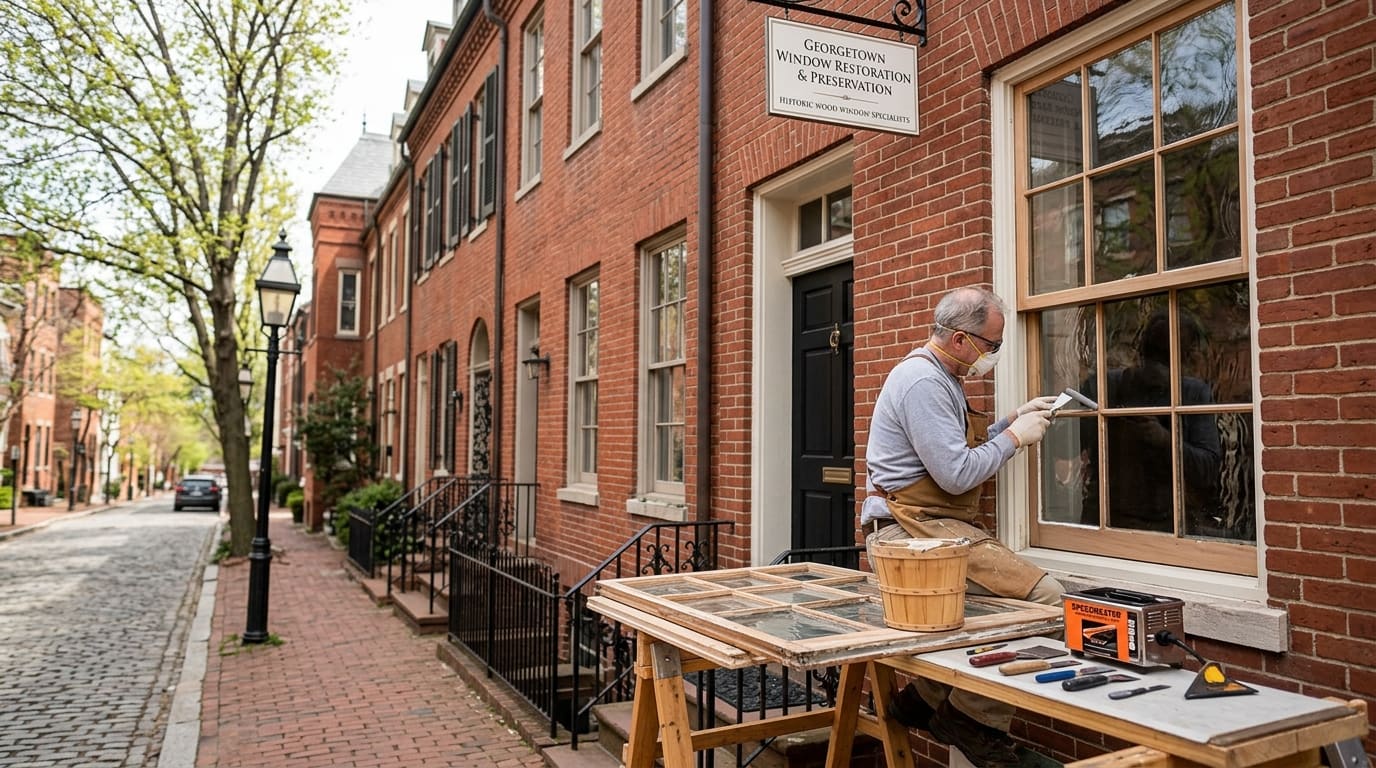
Glass Replacement in Historic DMV Homes: Preservation Meets Performance
9 min readExplore More Resources
Helpful Guides
Common Problems
Related Pages
Our Services
24/7 Emergency
Board-Up & Glass
Licensed & Insured
DC, MD & VA
300+ Areas
DMV Coverage
Same-Day Service
When You Need It
Ready to Get Started?
Get a free estimate for any window or glass service across the DMV area.