UV-Protection Glass Explained: Save Your Floors, Art, and Furniture from the DMV Sun
The DMV summer sun can fade a hardwood floor in a single season if your windows are not blocking UV. Here is a practical guide to UV-protection glass — what it blocks, what it does not, and whether your current windows are protecting you.
Mike Reynolds
Lead Glass Technician & Owner
In This Article
What UV Light Does to Your Home
I remember a particular job in Chevy Chase — a 1960s colonial with big south-facing windows in the living room and a gorgeous 20-year-old Persian rug right in front of them. The homeowners had not thought much about it until the furniture moved for a deep cleaning and revealed a perfectly sharp line across the floor where the rug had been: pristine Brazilian cherry on one side, sun-bleached near-white on the other. The difference represented about eight years of direct sun exposure through standard single-pane windows. They asked us about UV glass approximately five minutes after discovering that line.
UV radiation from the sun is the primary driver of photo-oxidation, the chemical process that breaks down dyes, pigments, and organic materials. Hardwood floors bleach and gray. Persian and Oriental rugs lose their depth and color. Leather furniture fades and cracks. Artwork loses contrast and vibrancy. Upholstered furniture, curtains, artwork on paper or canvas — all of it is vulnerable. In the DMV, where the summer sun comes in at a relatively low angle and hits south-facing windows almost directly at midday, the exposure is significant from April through September.
The important thing to understand is that UV is only part of the picture. Visible light and infrared radiation also contribute to fading — UV accounts for roughly 40 percent of total fading, visible light about 25 percent, and solar heat (infrared) about 25 percent. So while blocking UV alone helps significantly, a complete solar control solution addresses the full spectrum.
How Standard Windows Fail You
Standard clear float glass blocks essentially no UV — it transmits roughly 75 percent of UV-A radiation (the primary fading wavelength) and nearly all UV-B. If you have single-pane clear windows, there is almost nothing between your hardwood floors and full-spectrum solar radiation. Double-pane clear glass is only modestly better — the second pane adds a small amount of additional UV attenuation, but total UV blocking is still minimal.
Many homeowners assume that because their windows feel comfortable — not uncomfortably hot, not blinding — they must be blocking UV adequately. This is not the case. UV light is invisible and carries no perceptible heat sensation. You can sit in UV-filtered sunlight and feel perfectly comfortable while UV radiation is actively fading everything around you. The lack of discomfort is not evidence of protection.
Tinted window film, which many DMV homeowners have tried as an inexpensive fix, blocks UV reasonably well in most commercial formulations — typically 95 to 99 percent. The problem is durability and appearance: most applied films develop bubbles, peeling, and purple discoloration within 5 to 10 years, especially in the DMV's climate of extreme heat and humidity cycling. Film is a stopgap, not a permanent solution.
Low-E Glass: The Standard Solution
Low-E (low emissivity) glass is the modern standard for UV and infrared protection in residential windows, and the version that most new windows come with today. Low-E coatings are microscopically thin metallic oxide layers applied to the glass surface that selectively reflect specific wavelengths of radiation. Good Low-E glass blocks 95 percent or more of UV-A radiation and substantially reduces infrared heat gain, while maintaining 40 to 70 percent of visible light transmittance depending on the specific coating.
The coating specification matters a lot for DMV applications. There are two broad categories: passive Low-E (which maximizes solar heat gain for heating-dominated climates) and solar control Low-E (which minimizes solar heat gain for cooling-dominated climates). The DMV sits in a mixed climate, but the prevalence of air conditioning and the intensity of summer sun makes solar control Low-E the right choice for south and west-facing windows in most DMV homes. For north-facing windows, passive Low-E or even clear glass performs fine since solar heat gain from the north is negligible year-round.
We specify Low-E coatings on virtually every replacement glass unit we install unless there is a specific reason not to. The cost premium over clear glass is modest, the UV and infrared protection is permanent and requires no maintenance, and the energy savings from reduced cooling load contribute to payback. If you are replacing a window for any reason, there is almost no scenario where clear glass is the right choice in 2026.
Laminated UV-Blocking Glass for High-Value Applications
For situations where UV protection is paramount — a room with valuable artwork, a showroom, a sunroom with expensive furnishings — we recommend laminated glass with a UV-blocking interlayer rather than or in addition to Low-E coatings. The PVB interlayer in laminated glass is an extremely effective UV absorber by nature: standard laminated safety glass blocks approximately 99 percent of UV radiation, and specialized UV-filtering PVB interlayers achieve 99.9 percent blocking across the full UV spectrum including UV-A.
We did a project last year for a Georgetown collector who had an entire wall of the living room converted to gallery space, with paintings on long-term loan that required UV protection as a condition of the loan agreement. We specified laminated glass with UV-blocking PVB in a custom-fabricated double-pane unit, combined with Low-E coating for infrared control. The room floods with natural light from the south-facing windows, the paintings are protected to museum standards, and the space feels warm and inviting rather than like a climate-controlled vault.
If you have specific rooms with hardwood floors, rugs, artwork, or furniture worth protecting, we can tell you exactly what glass specification makes sense and what the expected UV transmittance will be. Send us photos through our estimate form or call (703) 470-7867 — we will assess what you have now and give you honest numbers on what the upgrade would accomplish.
The DMV Summer Sun Angle: Why It Matters
One thing I always bring up with clients in the DMV is the seasonal sun angle, because it determines which windows are actually at risk and which ones are not. At Washington's latitude (approximately 39 degrees north), the summer sun reaches a maximum altitude of about 74 degrees above the horizon at solar noon on the solstice. At that angle, south-facing vertical windows receive relatively modest direct sun at midday — the sun is nearly overhead and much of the radiation is at a steep angle. But east and west-facing windows receive intense, low-angle morning and afternoon sun respectively, particularly from May through September.
This means that in most DMV homes, the worst UV and solar heat exposure is not from the south-facing windows that most people worry about — it is from the east-facing windows that get punishing morning sun in summer and the west-facing windows that bake in the afternoon. The bedroom with the east-facing window above the dresser where your grandfather's photograph sits. The living room with the west-facing bay window where the leather sofa lives. These are the vulnerable spots, and the ones where UV-protective glass pays off fastest in terms of preventing visible fading damage.
About the Author
Mike Reynolds
Lead Glass Technician & Owner
With over 15 years of experience in window and glass repair across the DC, Maryland, and Virginia area, Mike shares practical expertise to help homeowners and businesses make informed decisions about their glass repair and replacement needs.
Need Help With Your Glass?
Our experts are ready to help with any window or glass issue. Free estimates, same-day service available across DC, MD & VA.
Related Articles
Continue reading about energy efficiency
DIY Window Energy Audit: How to Assess Your Windows and Find DC/MD/VA Rebate Programs
Best Glass for Your Home Office: Sound Reduction, Privacy, and Natural Light
How to Winterize Your Windows for the DMV Climate: A Step-by-Step Guide
More Energy Efficiency
View All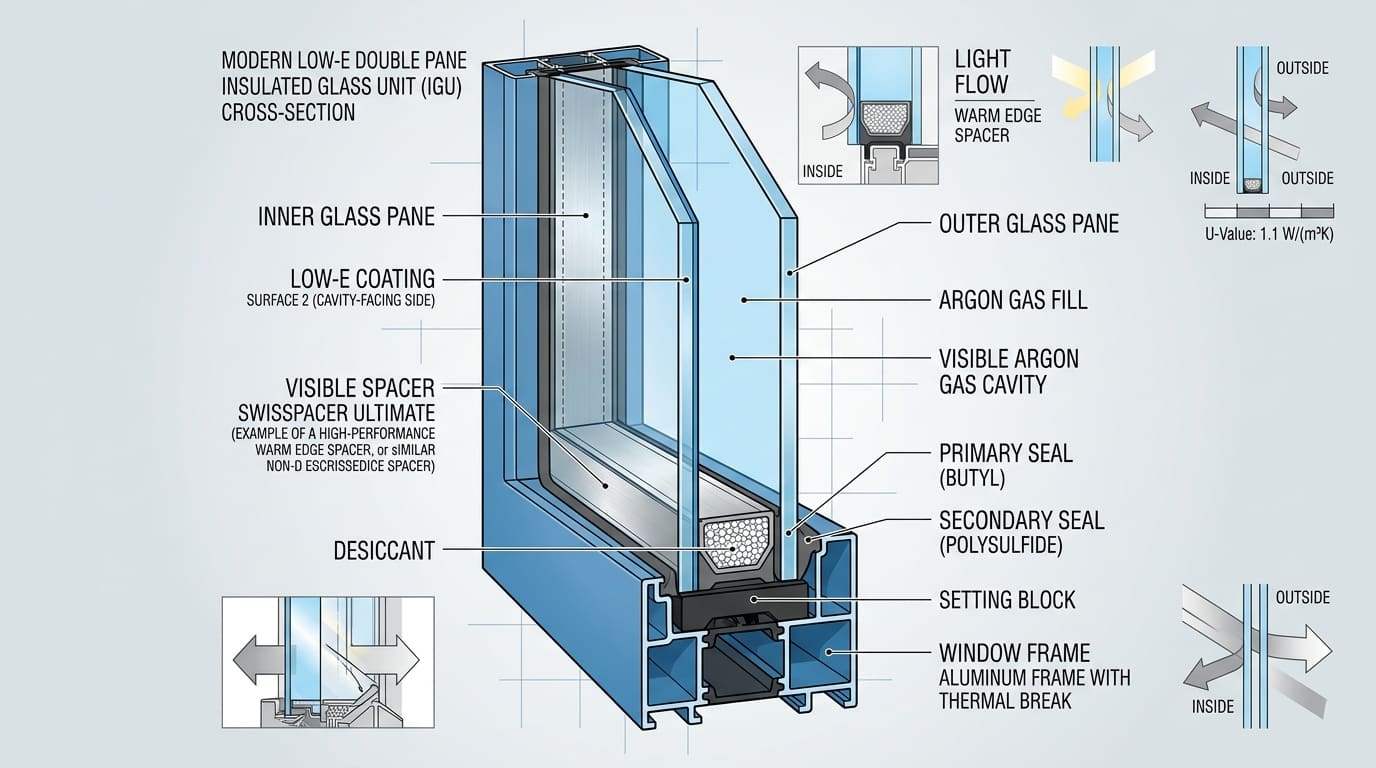
Energy-Efficient Glass Upgrades for DMV Homes: Low-E, Argon & Beyond
10 min read
Low-E Glass Explained: Is It Worth the Upgrade for Your DMV Home?
7 min read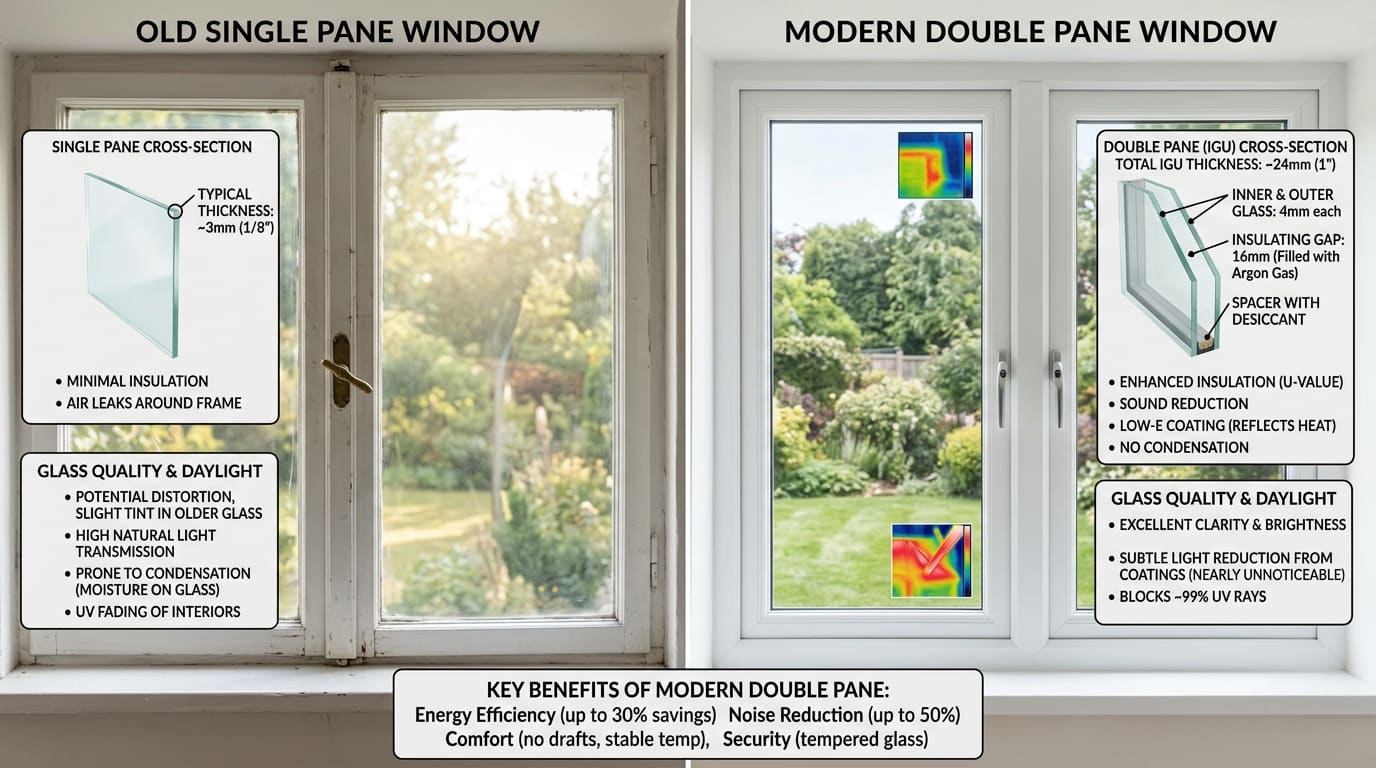
When to Upgrade from Single-Pane to Double-Pane Windows in the DMV
8 min read
How Glass Replacement Saves Money on Energy Bills in the DMV
7 min readExplore More Resources
Helpful Guides
Common Problems
Related Pages
Our Services
24/7 Emergency
Board-Up & Glass
Licensed & Insured
DC, MD & VA
300+ Areas
DMV Coverage
Same-Day Service
When You Need It
Ready to Get Started?
Get a free estimate for any window or glass service across the DMV area.